PM Modi in Tashkent: Uzbekistan at heart of India's Central Asia push
Synopsis
Modi's fourth visit to Tashkent wasn't routine diplomacy — it produced a formal upgrade to a Comprehensive Strategic Partnership, a $5 billion trade target, and a defence co-production pact. As India deepens its Central Asia play, Uzbekistan is being positioned as the region's anchor, with city-level partnerships designed to move the relationship well beyond symbolic summitry.
Key Takeaways
PM Modi and President Mirziyoyev elevated India-Uzbekistan ties to a Comprehensive Strategic Partnership on 30 August 2026 in Tashkent .
Bilateral trade has crossed $1 billion ; both sides have set a target of $5 billion by 2030 .
Both nations agreed to pursue co-production and co-development in their respective defence industries.
2026 marks the 15th anniversary of the India-Uzbekistan strategic partnership.
Modi described a shared zero-tolerance stance on terrorism, extremism, and separatism as a pillar of the security relationship.
City and state-level partnerships will be established to deepen ties beyond the two capitals.
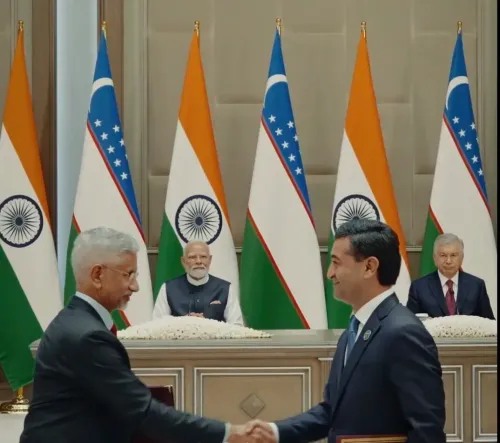
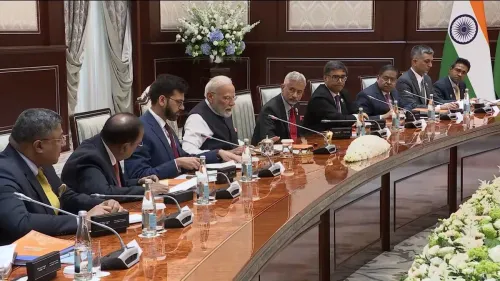
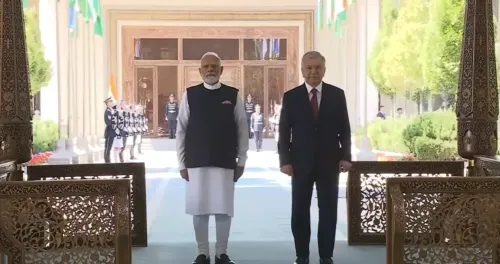
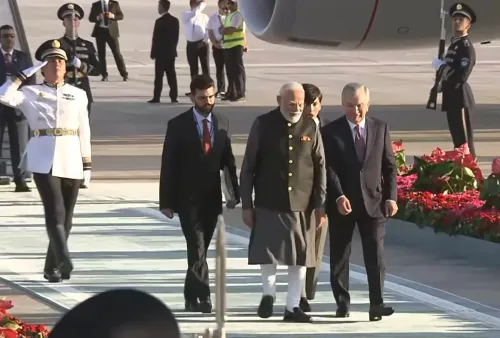
Prime Minister Narendra Modi on Sunday, 30 August declared that Uzbekistan stands at the core of India's strategic engagement with Central Asia, as the two nations agreed to elevate their ties to a Comprehensive Strategic Partnership during talks in Tashkent. The upgrade marks a significant deepening of bilateral relations as 2026 coincides with the 15th anniversary of their strategic partnership.
Key Developments from Tashkent
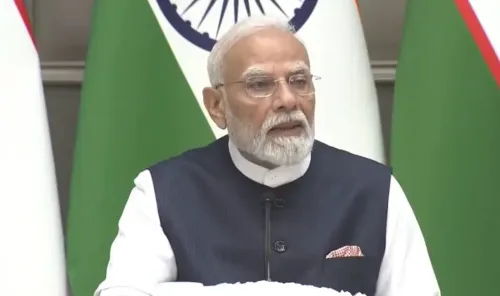
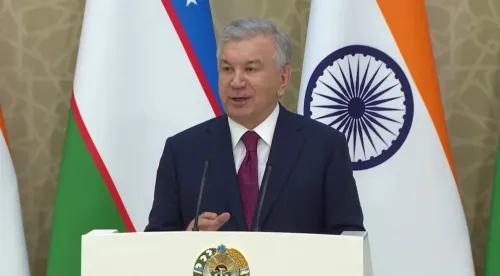
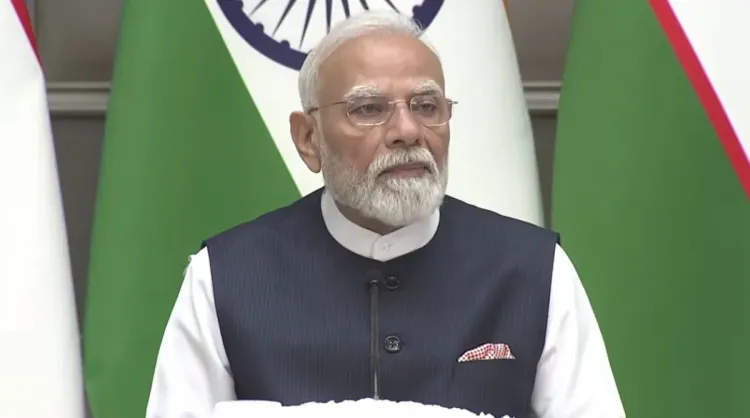
Speaking at a joint press conference alongside Uzbekistan President Shavkat Mirziyoyev, Modi said the two countries share a convergence of vision — pointing to Yangi Uzbekistan (New Uzbekistan) and India's own Viksit Bharat 2047 framework as twin expressions of the same aspirations around youth, innovation, and inclusive growth. This was Modi's fourth visit to Uzbekistan, and he noted having met Mirziyoyev on more than 10 occasions over nearly a decade.
The bilateral relationship has been upgraded to a Comprehensive Strategic Partnership, a formal step that broadens the scope of cooperation across defence, trade, connectivity, and people-to-people ties.
Trade Target and Economic Agenda
Bilateral trade between India and Uzbekistan has crossed the $1 billion mark, and both sides have set an ambitious target of $5 billion by 2030. Modi outlined that progress toward this goal will be driven by advances in market access, connectivity, banking, and payment systems. Agreements on traditional medicine were also signed, and both governments committed to establishing city-and-state-level partnerships to deepen direct linkages in urban management, industry, education, tourism, and culture.
Defence Cooperation and Zero Tolerance on Terror
On security, Modi announced plans to foster direct linkages, co-production, and co-development between the defence industries of both nations. He underscored a shared resolve of zero tolerance against terrorism, extremism, and separatism — describing all three as major challenges for the region. The defence cooperation framework, he said, reflects deep mutual trust built over years of close coordination.
Strategic Significance for India
India's engagement with Uzbekistan carries broader geopolitical weight: Tashkent is a gateway to the wider Central Asian region, and deepening ties there supports India's Connect Central Asia policy. This comes amid growing competition among major powers — including China and Russia — for influence across the region. Notably, the elevation to a Comprehensive Strategic Partnership places India-Uzbekistan ties in the same tier as India's most consequential bilateral relationships. The agreement on city-level partnerships is a deliberate attempt to move the relationship beyond capital-to-capital diplomacy.
What Comes Next
Both sides are expected to operationalise the new partnership framework through follow-on working group meetings. The trade roadmap toward $5 billion will require tangible progress on connectivity corridors, including the International North-South Transport Corridor and potential rail linkages through Afghanistan and Iran. Industry bodies from both countries are likely to be engaged in the coming weeks to identify priority sectors.
Point of View
But the harder test is delivery on the $5 billion trade target — a fivefold jump that requires solving connectivity gaps India has talked about for years without resolution. The defence co-production pledge is the more consequential commitment: if operationalised, it would give India a manufacturing foothold in a region where China's economic presence is already dominant. Modi's framing of Uzbekistan as the 'heart' of India's Central Asia engagement is a deliberate signal to the region — but signals require follow-through, and India's Central Asia trade corridors have historically stalled at the planning stage.
NationPress
14 Oct 2026
Frequently Asked Questions
What was agreed during PM Modi's visit to Tashkent on 30 August 2026?
India and Uzbekistan agreed to elevate their relationship to a Comprehensive Strategic Partnership, set a bilateral trade target of $5 billion by 2030, and pledged defence co-production cooperation. Agreements on traditional medicine and city-level partnerships were also signed.
What is the current state of India-Uzbekistan bilateral trade?
Bilateral trade between India and Uzbekistan has crossed $1 billion. Both governments have now set a target of $5 billion by 2030, to be achieved through improvements in market access, connectivity, banking, and payment systems.
Why is Uzbekistan strategically important for India?
Uzbekistan is geographically central to Central Asia and serves as a gateway for India's broader engagement with the region. Deepening ties with Tashkent supports India's Connect Central Asia policy at a time of intensifying great-power competition in the region.
What did PM Modi say about terrorism and security cooperation?
Modi stated that India and Uzbekistan share a resolve of zero tolerance against terrorism, extremism, and separatism, describing all three as major challenges for the region. He said the close defence and security cooperation between the two countries reflects deep mutual trust.
How significant is the Comprehensive Strategic Partnership upgrade?
The upgrade places India-Uzbekistan ties among India's most consequential bilateral relationships. It comes as 2026 marks the 15th anniversary of the existing strategic partnership, and broadens cooperation across defence, trade, connectivity, and people-to-people engagement.