PM Modi lands in Tashkent for fourth visit, meets President Mirziyoyev
Synopsis
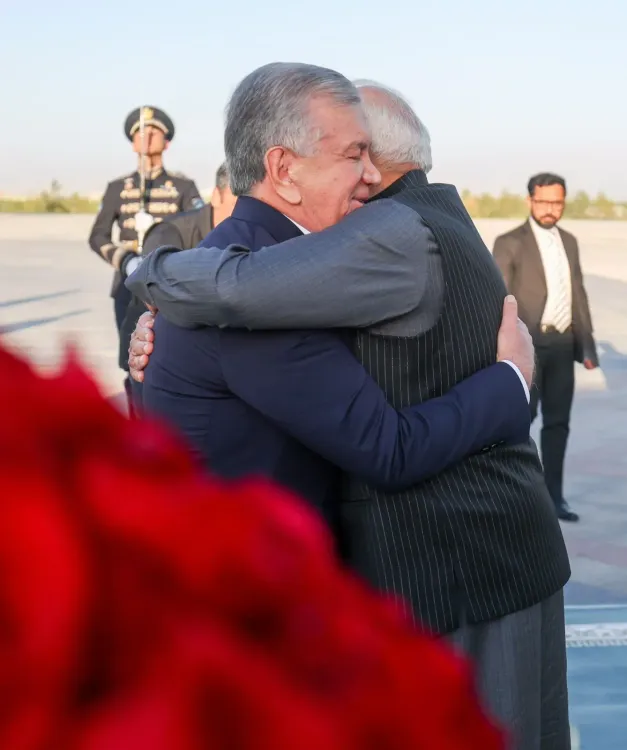
Prime Minister Narendra Modi landed in Tashkent on 29 August 2026 for his fourth visit to Uzbekistan, welcomed by President Shawkat Mirziyoyev. The visit underscores India's deepening Central Asia engagement through bilateral diplomacy and the SCO framework.
Key Takeaways
PM Modi arrived in Tashkent on 29 August 2026 , welcomed by President Shawkat Mirziyoyev .
Modi described the trip as his fourth visit to Uzbekistan , citing the 'depth and growing momentum' of bilateral ties.
India's Connect Central Asia policy (2012) and its SCO membership (2017) form the strategic backbone of this engagement.
Uzbekistan is a key node for Indian connectivity, trade and counter-terrorism interests in Central Asia.
Possible outcomes include progress on trade corridors and defence cooperation frameworks.
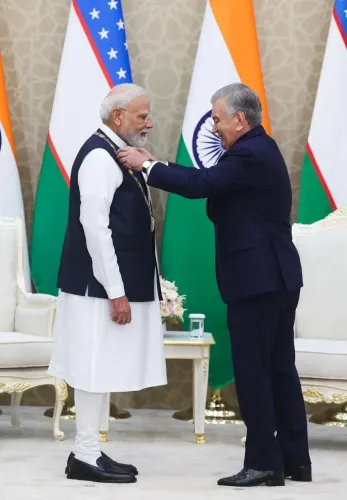
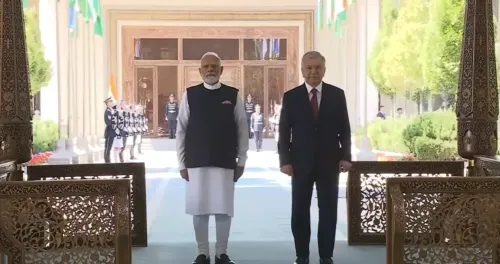
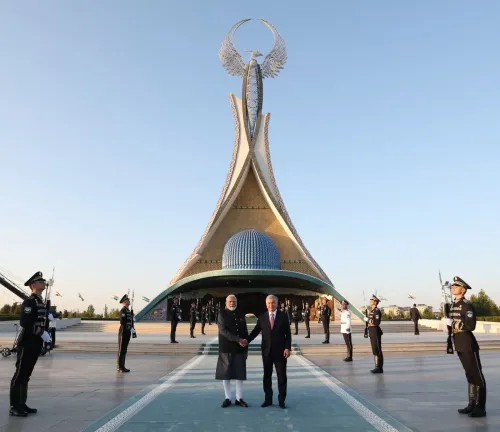
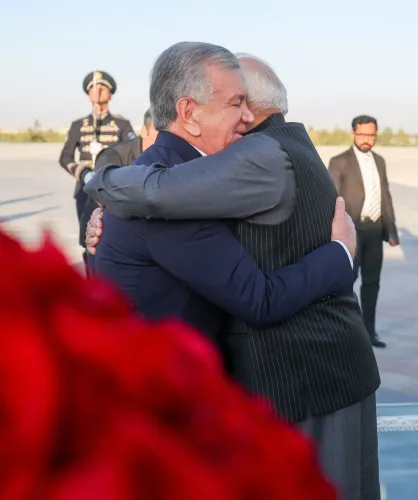
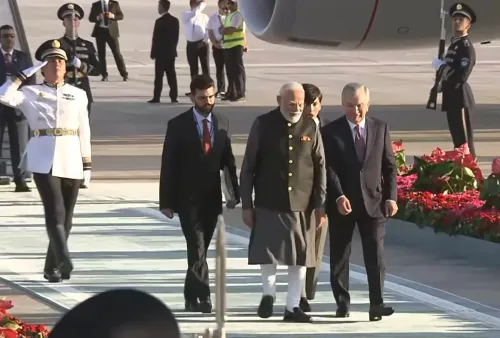
Prime Minister Narendra Modi touched down in Tashkent on Saturday, 29 August 2026, greeted personally by President Shawkat Mirziyoyev — a reception the Prime Minister described as a 'warm welcome' and a 'special gesture' that signals just how far the India-Uzbekistan relationship has travelled.
Modi called the trip his fourth visit to Uzbekistan, framing the frequency itself as evidence of the 'depth and growing momentum' of bilateral relations. In Uzbek, he addressed the city directly — Toshkentga yetib keldim [I have arrived in Tashkent] — a small linguistic courtesy that lands with outsized diplomatic weight in a capital that prizes cultural respect.
Why Tashkent keeps drawing Delhi's attention
Uzbekistan is not peripheral to India's strategic map — it sits at the heart of it. President Mirziyoyev, in power since 2016, has driven an economic reform agenda and actively courted closer ties with New Delhi across trade, defence and connectivity. India, for its part, has pursued Central Asia through its Connect Central Asia policy — first outlined in 2012 — and cemented institutional access when it became a full member of the Shanghai Cooperation Organisation (SCO) in 2017. The SCO framework gives both countries a regular diplomatic architecture, but Modi's repeated bilateral visits go well beyond the multilateral calendar. The Silk Road is not merely a historical metaphor here. Uzbekistan's geography makes it a pivot point for any serious Indian connectivity push into Central Asia and onward to Russia and Europe — a corridor that carries energy, trade and counter-terrorism logic all at once.A fourth visit and what it signals
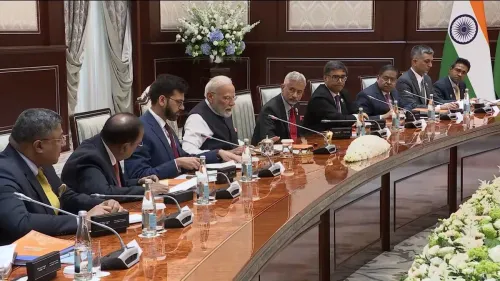
Leaders do not fly to the same capital four times without a strategic reason. Each visit in this series has layered new agreements and joint statements onto the relationship, covering areas from pharmaceuticals and IT to joint military exercises. The pattern of high-level contact reflects a deliberate Indian calculation: Central Asia is a neighbourhood that matters, and personal diplomacy at the top is how durable partnerships are built. Possible outcomes to watch from this visit include movement on trade corridor agreements, updates to defence cooperation frameworks, and positioning ahead of the next SCO summit cycle. Modi's arrival in Tashkent is a reminder that India's foreign policy ambition does not stop at its immediate neighbours — and that Mirziyoyev's Uzbekistan has become one of its most consistent Central Asian partners.Point of View
Energy security and SCO dynamics are all in flux. The frequency of visits signals that New Delhi sees Uzbekistan not as a peripheral courtesy call but as a load-bearing pillar of its broader Eurasian strategy. For Mirziyoyev, the repeated high-level attention from India provides strategic diversification away from Russian and Chinese dominance in the region. Watch whether this visit produces tangible corridor or defence agreements — those would mark a step-change from relationship-building to operational partnership.
NationPress
14 Oct 2026
Frequently Asked Questions
Why is PM Modi visiting Uzbekistan in 2026?
PM Modi travelled to Tashkent on 29 August 2026 for bilateral talks with President Shawkat Mirziyoyev, continuing India's sustained diplomatic engagement with Central Asia through high-level visits and the SCO framework.
How many times has Modi visited Uzbekistan?
Modi described the August 2026 trip as his fourth visit to Uzbekistan, reflecting the growing depth of India-Uzbekistan bilateral relations over successive years.
What is India's Connect Central Asia policy?
India's Connect Central Asia policy, outlined in 2012, aims to deepen political, economic and cultural ties with Central Asian republics including Uzbekistan through trade, connectivity and people-to-people links.
What is India's role in the Shanghai Cooperation Organisation?
India became a full member of the Shanghai Cooperation Organisation (SCO) in 2017, giving it a formal multilateral platform for engagement with Central Asian states, including Uzbekistan, on trade, security and connectivity.
What could come out of the Modi-Mirziyoyev meeting in Tashkent?
Analysts are watching for possible agreements on trade corridors, defence cooperation and connectivity projects that could advance India's strategic and commercial interests in Central Asia.