North Korea raises retirement age by 3 years amid population aging

Synopsis
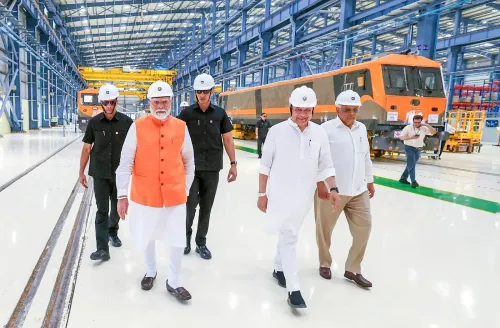
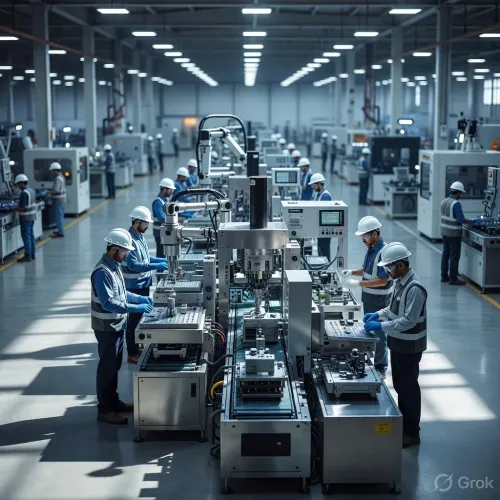
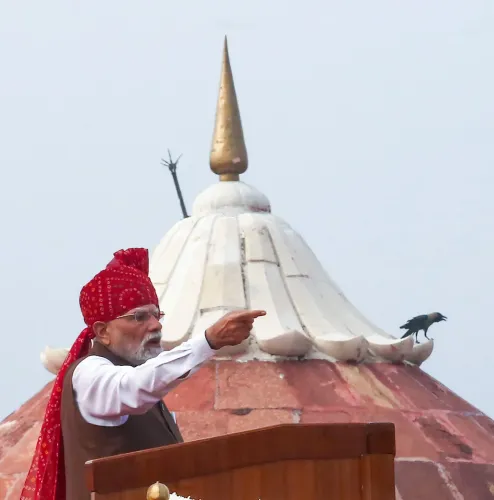
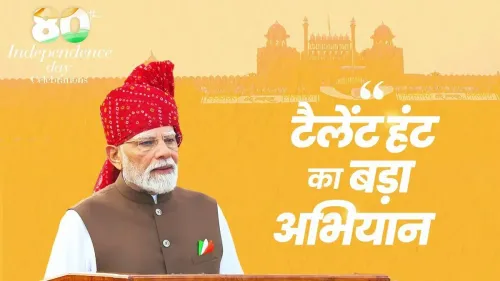
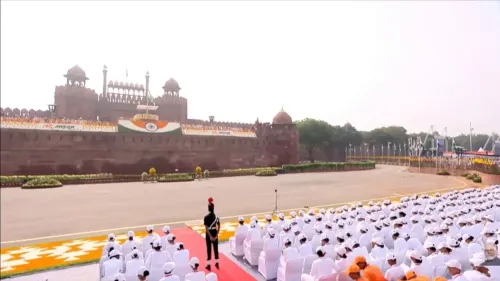
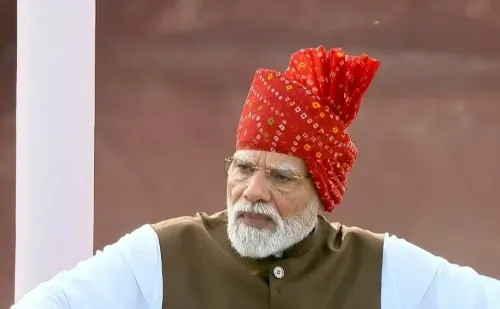
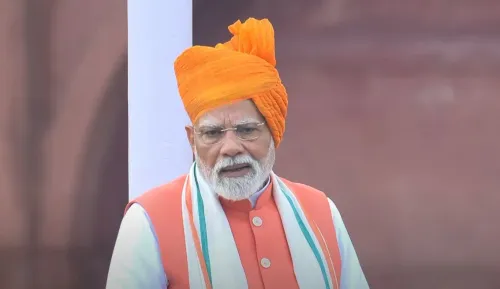
Modi's Red Fort speech wasn't just an Independence Day ritual — it was a doubling-down. With ₹2 lakh crore committed and a 50-lakh-jobs target by 2029, this is the biggest industrial bet of his third term, and a clear pivot toward Make in India 2.0.
Key Takeaways
PM Modi announced a ₹2 lakh crore manufacturing scheme on 15 August 2026 .
The scheme targets 50 lakh jobs by 2029, with PLI expanded to 14 sectors .
Manufacturing's share of GDP has hovered near 17% against a 25% target for over a decade.
Congress flagged feasibility concerns, citing past PLI underdelivery on jobs.
Sectoral guidelines expected within 60 days ; first disbursements slated for the next financial year.
North Korea has raised the mandatory retirement age for office workers by three years, citing population ageing and demographic shifts, according to an academic paper published in the 2026 first issue of the Journal of the Kim Il Sung University. The revision, confirmed on Wednesday, 13 May, marks the first official acknowledgement that Pyongyang has extended retirement age specifically for office workers while leaving thresholds for manual labourers and farmers unchanged.
What the Revised Law Says
A revised labour law enacted in 2024 sets the retirement age for office workers eligible for state pension benefits at 63 for men and 58 for women. Under the country's original labour law adopted in 1978, those thresholds had stood at 60 for men and 55 for women — meaning both categories have been extended by exactly three years. The amendment was formally adopted by the standing committee of North Korea's assembly in September 2024.
Why the Change Was Made
The academic paper explicitly frames the revision as a response to demographic pressures.
Point of View
Many of which underdelivered on jobs. The real test is whether this iteration links incentives to verifiable employment outcomes — something past rounds did not. India's manufacturing share has stayed near 17% for a decade despite repeated 25% targets. Without a credible measurement framework, this risks joining a long list of headline numbers that did not move the needle.
NationPress
26 Sept 2026
Frequently Asked Questions
What is the ₹2 lakh crore manufacturing scheme announced by PM Modi?
It is a five-year industrial push announced from the Red Fort on 15 August 2026, with a ₹2 lakh crore outlay targeting 50 lakh manufacturing jobs by 2029. The scheme expands the existing PLI framework to 14 sectors.
When will the new PLI scheme take effect?
Sectoral guidelines are expected within 60 days of the announcement, with the first tranche of disbursements slated for the next financial year.
Why has the Congress raised concerns about the scheme?
The Congress has questioned feasibility, pointing to earlier PLI rounds where employment outcomes lagged sectoral output. It has called for an independent jobs verification mechanism, which the government has not yet detailed.
Which sectors are covered under the expanded PLI?
The expanded PLI now spans 14 sectors including electronics, semiconductors, EV components, solar modules, and pharmaceuticals, with disbursement tied to production milestones.