Mandaviya Hails Four Labour Codes as Historic Reform
Synopsis
Union Labour Minister Mansukh Mandaviya has credited PM Modi with ending decades of legislative delay, calling the four Labour Codes — which merge 44 central laws — a historic milestone for India's workforce. Full implementation now hinges on state-level rule notifications.
Key Takeaways
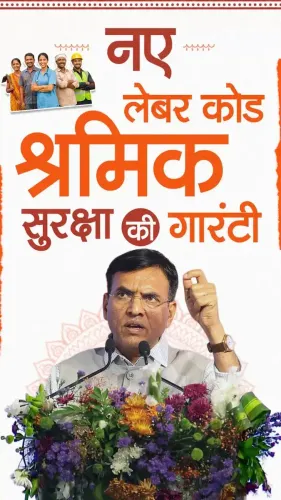
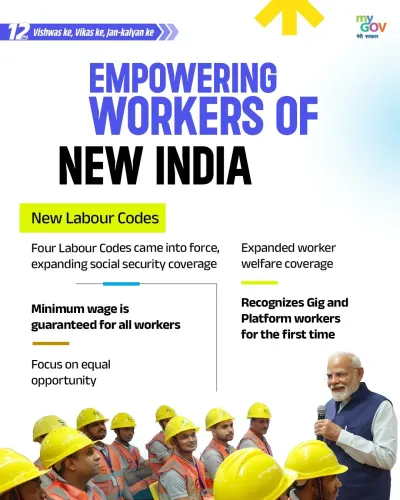
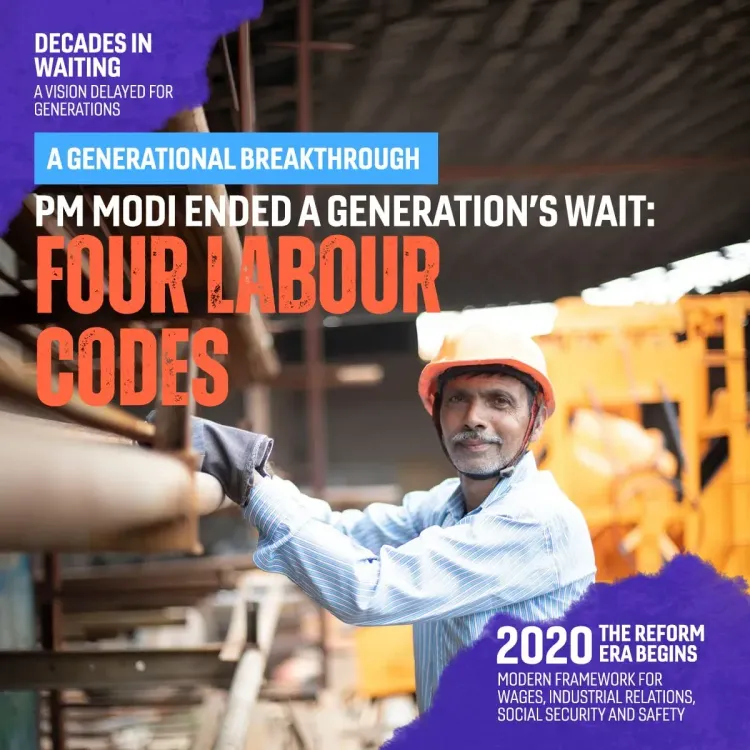
Union Labour Minister Mansukh Mandaviya posted on June 9, 2026 , calling the four Labour Codes a 'historic era of dignity, safety, and prosperity.' The four Labour Codes consolidate 44 central labour laws into statutes covering wages, industrial relations, social security, and occupational safety.
The Code on Wages was enacted in 2019 ; the remaining three codes were passed in 2020 .
The Second National Labour Commission first recommended this consolidation in its 2002 report , meaning the reform took roughly two decades to materialise.
Full implementation requires each state government to notify matching rules — a process that remains uneven across jurisdictions.
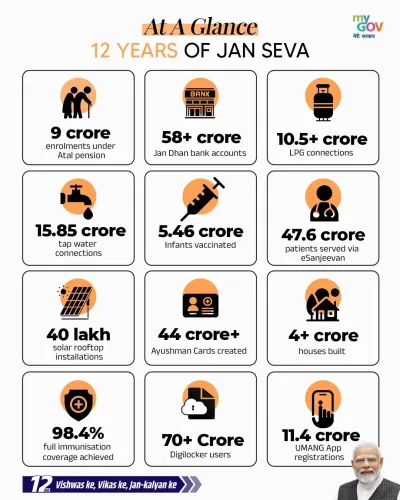
The announcement is tied to the #12YearsOfSeva campaign marking 12 years of the Modi government .
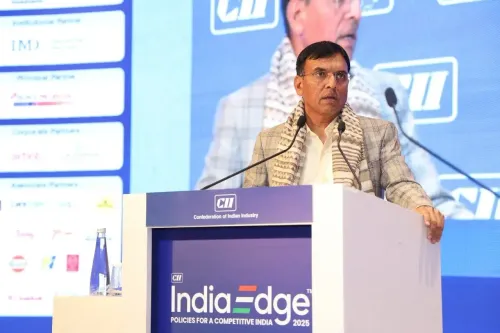
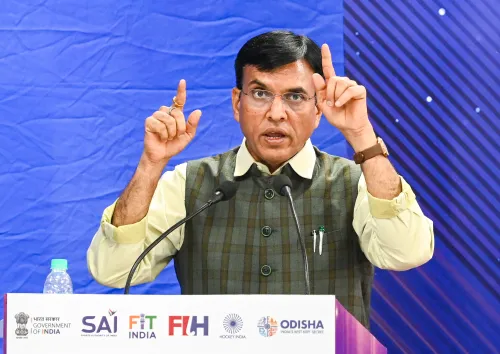
Union Labour and Sports Minister Mansukh Mandaviya on Tuesday, June 9, 2026, credited Prime Minister Narendra Modi with ending what he called decades of delay in overhauling India's labour laws, describing the four new Labour Codes as a transformative milestone for the country's workforce.
Context
In his post on X, Mandaviya wrote: 'Decades of delay ended by PM Shri Narendra Modi ji. The four new Labour Codes mark a historic era of dignity, safety, and prosperity for our workforce.' The post was accompanied by the hashtag #12YearsOfSeva — marking 12 years of the Modi government — signalling that the Labour Codes are being positioned as a signature achievement of the BJP-led administration.
The remark comes as the government highlights its legislative record on economic and social reform, with the Labour Codes representing one of the most sweeping changes to India's employment regulatory architecture in decades.
Policy Backdrop
The consolidation of India's labour laws has roots going back to the Second National Labour Commission, which recommended in its 2002 report that the country's fragmented statutes be merged into a smaller set of codes. That recommendation went unimplemented for nearly two decades.
Parliament enacted the Code on Wages in 2019, followed by three more codes in 2020 — covering Industrial Relations, Social Security, and Occupational Safety, Health and Working Conditions. Together, the four Labour Codes subsume 44 central labour laws, dramatically reducing the compliance burden on employers while standardising protections for workers across sectors.
The reform sits alongside other structural overhauls of the Modi era — including the Goods and Services Tax and the Insolvency and Bankruptcy Code — as part of a broader drive to simplify India's regulatory framework and improve the ease of doing business.
Stakeholders and Impact
Industrial workers, particularly those in the unorganised sector, stand to gain from unified minimum-wage definitions and expanded social security registration under the new framework. Employers, especially small and medium enterprises, are expected to benefit from a single compliance window replacing dozens of overlapping filings.
Trade unions have historically held mixed views on the codes, welcoming some worker protections while raising concerns about provisions they argue dilute the right to strike and ease retrenchment norms. State governments play a critical role in the rollout: implementation requires each state to notify its own matching rules, leading to a staggered enforcement timeline across jurisdictions.
What's Next
The central challenge ahead remains full, uniform implementation. Analysts and industry groups have flagged that the codes' benefits will only be realised once all states have notified the requisite rules — a process that has moved at an uneven pace. Mandaviya's ministry is expected to continue pressing states to align their rule-making with the central framework.
With the #12YearsOfSeva campaign framing the announcement, the government appears set to make labour reform a prominent talking point in its political communication. The pace of state-level notifications and the phased enforcement of provisions such as minimum wages and social security registration will be the real test of whether the codes deliver on their promise of 'dignity, safety, and prosperity' for India's vast workforce.
Point of View
Anchoring the four Labour Codes squarely within the BJP's '12 years of governance' narrative. The framing of 'decades of delay ended' is a pointed contrast with predecessor governments, positioning a reform that was actually legislated in 2019-2020 as a live, ongoing achievement. The real policy story, however, is downstream: the codes are law on paper, but their full force depends on state compliance, which remains patchy. The minister's rhetoric will increasingly be tested against that implementation gap as the government enters a fresh electoral cycle.
NationPress
23 Oct 2026
Frequently Asked Questions
What are the four Labour Codes in India?
The four Labour Codes are the Code on Wages (2019), the Industrial Relations Code (2020), the Code on Social Security (2020), and the Occupational Safety, Health and Working Conditions Code (2020). Together they consolidate 44 central labour laws into a simplified framework.
When were the four Labour Codes passed in India?
The Code on Wages was passed by Parliament in 2019 . The other three codes — on Industrial Relations, Social Security, and Occupational Safety, Health and Working Conditions — were enacted in 2020 .
Why have the Labour Codes not been fully implemented yet?
Full implementation requires every state government to frame and notify its own set of rules aligned with the central codes. This process has moved at different speeds across states, resulting in a staggered and incomplete rollout as of mid-2026.
What did Mansukh Mandaviya say about the Labour Codes?
Mandaviya posted on X on June 9, 2026, that 'decades of delay' had been ended by PM Modi and that the four Labour Codes mark 'a historic era of dignity, safety, and prosperity' for India's workforce.
Who recommended consolidating India's labour laws?
The Second National Labour Commission recommended merging India's fragmented labour statutes into fewer codes in its 2002 report , nearly two decades before Parliament acted on the recommendation.