Ramaswamy Demands Accountability After Toledo Toxic Chemical Release
Synopsis
Vivek Ramaswamy has called for accountability after a glycidyl methacrylate release in Toledo, Ohio, displaced around 1,000 residents and hospitalised dozens. He linked the incident to the 2023 East Palestine derailment, demanding systemic reform and pledging transparency to affected communities.
Key Takeaways
An 'error' caused the release of glycidyl methacrylate , a likely carcinogen, across much of Toledo, Ohio .
Approximately 1,000 residents were evacuated; some remain unable to return home as of October 23, 2026 .
Dozens of Ohioans have been hospitalised; schools and factories remain closed.
Entrepreneur Vivek Ramaswamy drew a direct parallel to the February 2023 East Palestine Norfolk Southern train derailment and chemical spill.
Ramaswamy pledged 'transparency, accountability, and solutions' to Toledo residents, mirroring commitments made during his earlier East Palestine visit.
State and federal agencies are expected to face pressure for a full investigation and new chemical-handling regulations.
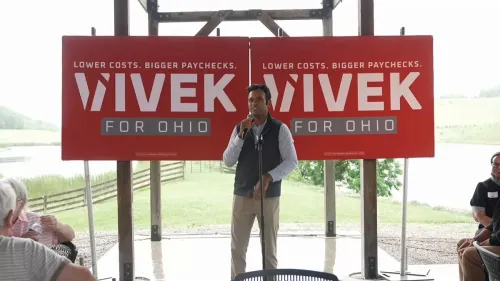
Ohio is confronting another toxic emergency — and this time, the city in the crosshairs is Toledo. Entrepreneur Vivek Ramaswamy, former co-lead of the US Department of Government Efficiency (DOGE) advisory effort, on Friday, October 23, 2026, called the incident 'a big issue' and pledged to Toledo residents the same commitment he made to the people of East Palestine: 'transparency, accountability, and solutions.'
A City Evacuated, Dozens Hospitalised
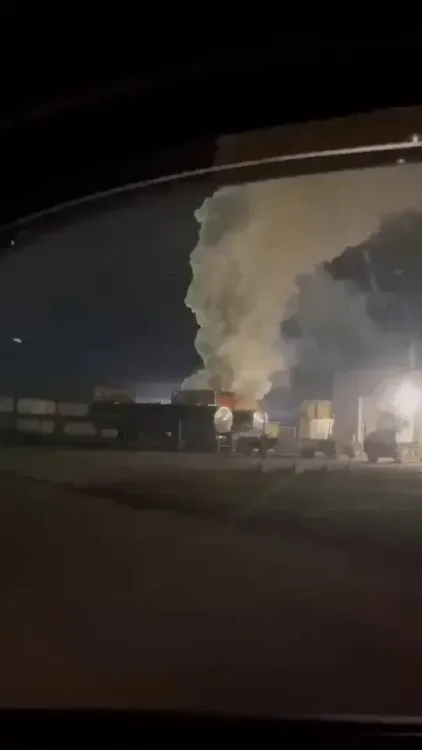
According to Ramaswamy's post, an 'error' triggered the release of glycidyl methacrylate — a chemical flagged as a likely carcinogen — across much of Toledo. Approximately 1,000 residents were evacuated, with some still unable to return home. Dozens of Ohioans have been hospitalised, and both schools and factories in the affected area remain shut. The long-term health consequences of exposure, Ramaswamy noted, are 'still largely unknown.'
The Shadow of East Palestine
The Toledo incident arrives less than four years after the February 2023 Norfolk Southern train derailment in East Palestine, Ohio — a disaster that released hazardous chemicals including vinyl chloride, forced mass evacuations, and triggered federal investigations and rail-safety reform proposals that are still unresolved. That event transformed Ohio into a flashpoint for the national debate on industrial safety and corporate accountability. Ramaswamy, who visited East Palestine earlier this year, explicitly drew the parallel, calling it 'beyond disappointing that another part of Ohio is now vulnerable to long-term health consequences.'
Ramaswamy's Political Promise to Ohio
Ramaswamy's statement is a pointed political intervention: he is demanding a leader who can 'get to the root cause of these spills, hold negligent actors accountable, and adopt reforms to prevent future incidents.' The language mirrors the accountability framework he championed during his 2024 Republican presidential campaign and his tenure at DOGE. By tying Toledo directly to East Palestine, he is constructing a broader argument — that Ohio's chemical spill problem is a pattern, not an accident, and that systemic regulatory failure is the real story.
What Toledo Needs Next
Attention now shifts to state and federal agencies to release a full account of how the glycidyl methacrylate release occurred and who bears responsibility. Regulators face pressure to clarify the health risk timeline for the thousands of residents still displaced or recently returned. The incident is likely to renew legislative debate on hazardous chemical handling standards — a conversation East Palestine started but never finished.
Two chemical emergencies in the same state, within the same decade. Ohio is waiting for answers — and so is the rest of the country.
Point of View
He is building a political narrative around industrial accountability that could serve as a platform plank in any future electoral ambition. The demand for a 'leader' who can enact root-cause reform signals his continued engagement with Rust Belt politics. This kind of proactive issue-ownership, outside a formal office, keeps him relevant in the Republican policy conversation on industrial safety.
NationPress
23 Oct 2026
Frequently Asked Questions
What chemical was released in Toledo Ohio in 2026?
According to Vivek Ramaswamy's statement, the chemical released in Toledo was glycidyl methacrylate, described as a likely carcinogen, with the release attributed to an operational 'error.'
How many people were evacuated in the Toledo Ohio chemical spill?
Ramaswamy's post states that approximately 1,000 residents were evacuated from Toledo, with some still unable to return to their homes at the time of his statement on October 23, 2026.
What happened in East Palestine Ohio and how does it relate to Toledo?
In February 2023, a Norfolk Southern train derailed in East Palestine, Ohio, releasing hazardous chemicals including vinyl chloride and forcing evacuations. Ramaswamy drew a direct parallel between that disaster and the 2026 Toledo chemical release, calling both part of a troubling pattern for Ohio communities.
What is Vivek Ramaswamy demanding after the Toledo chemical release?
Ramaswamy is calling for a leader who can identify the root cause of such chemical spills, hold negligent actors accountable, and introduce reforms to prevent future incidents — pledging transparency and solutions to Toledo residents.
Is glycidyl methacrylate dangerous to human health?
Ramaswamy's statement describes glycidyl methacrylate as a 'likely carcinogen' and notes that the long-term health effects of exposure remain largely unknown, which is why dozens of hospitalisations have raised serious public health concerns.