Mongolia to Screen 20,000 Women for HPV This Year
Synopsis
In a significant health initiative, Mongolia plans to screen over 20,000 women for HPV, the leading cause of cervical cancer. This preventive measure aims to reduce cancer rates and underscores the importance of early detection and vaccination.
Key Takeaways
Mongolia will screen over 20,000 women for HPV this year.
Cervical cancer is preventable with early detection.
HPV is a common sexually transmitted infection.
Vaccination can prevent HPV-related cancers.
Screening is crucial for individuals with a cervix.
Ulaanbaatar, April 8 (NationPress) This year, a minimum of 20,000 women in their 30s and 40s are set to be screened for human papillomavirus (HPV), a significant contributor to cervical cancer, as reported by local news outlets referencing the nation's health ministry.
The ministry highlighted that cervical cancer is preventable and strongly encouraged women within the specified age range to engage in the screening initiative.
As per the National Centre for Communicable Diseases, cervical cancer ranks as the second most prevalent cancer among women in Mongolia and the fourth most common cancer overall in the country.
In 2025, Mongolia, with its population of approximately 3.5 million, documented 551 new cervical cancer cases along with 171 related fatalities, according to Xinhua news agency.
HPV is a widespread sexually transmitted infection, with nearly all sexually active individuals likely to contract it at some stage in their lives, often without experiencing any symptoms.
This virus can impact the skin, genital region, and throat.
While condoms can help mitigate the risk of HPV transmission, they do not provide complete protection as they do not cover all genital skin.
In most cases, HPV clears up independently without treatment. Some strains can lead to genital warts, while others may result in abnormal cell changes that can progress to cancer.
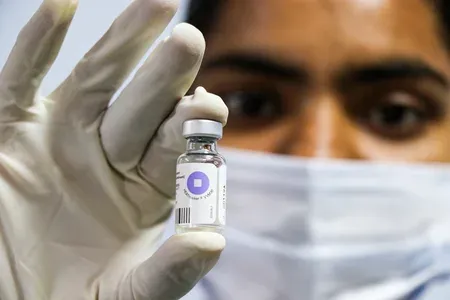
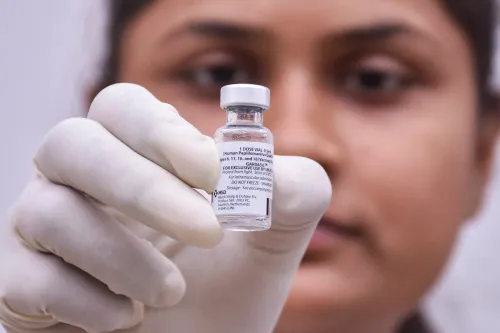
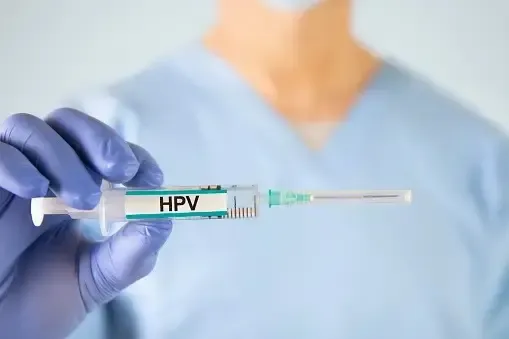
Vaccines are available to prevent cancers associated with HPV.
The HPV vaccine does not contain live virus or any viral DNA, meaning it cannot cause cancer or other HPV-related conditions. It is intended to prevent cancer development rather than treat existing HPV infections.
At present, cervical cancer is the sole HPV-related cancer for which screening tests are available. These tests are designed to identify disease in the absence of symptoms. The objective of cervical cancer screening is to detect precancerous cell changes early, allowing for treatment that can avert cancer development. Regular cervical cancer screening is an essential aspect of healthcare for individuals with a cervix, including women and transgender men who retain a cervix.
Cervical cancer remains the most prevalent cancer linked to HPV, with other rarer cancers affecting both men and women, such as anal, vulvar, vaginal, mouth/throat, and penile cancers.
Point of View
It's clear that the health ministry's initiative to screen women for HPV is a proactive step towards reducing cervical cancer cases in Mongolia. This program not only highlights the significance of preventive health measures but also encourages public participation in health screenings.
NationPress
19 Sept 2026
Frequently Asked Questions
How can HPV be prevented?
HPV can be prevented through vaccination and safer sex practices, such as using condoms, although they do not provide complete protection.
Who should get screened for cervical cancer?
Women and transgender men who have a cervix, particularly those in their 30s and 40s, should participate in cervical cancer screening.
What is the significance of early detection?
Early detection through screening can identify precancerous changes, allowing for timely treatment to prevent the development of cervical cancer.
Is the HPV vaccine safe?
Yes, the HPV vaccine is safe and effective at preventing HPV-related cancers, and it does not contain live virus or DNA.