West Bengal launches free HPV vaccination for madrasa girls aged 14-15
Synopsis
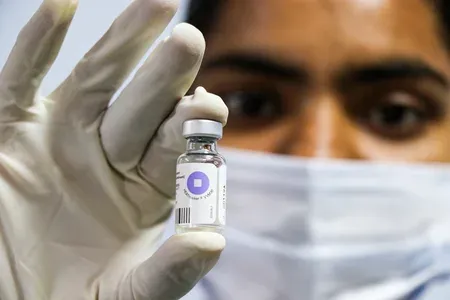
West Bengal has extended its free HPV vaccination drive to teenage girls in madrasas — a demographic rarely at the centre of state public health outreach. With 7 lakh doses already dispatched by the Centre and the rollout beginning at a Kolkata hospital, the programme targets girls aged 14-15 and could reduce cervical cancer risk by up to 80 per cent, according to doctors.
Key Takeaways
West Bengal launched a free HPV vaccination programme for girls from 30 May 2025 , under the BJP state government.
A dedicated campaign for teenage girls studying in madrasas has now been announced, coordinated with district administrations.
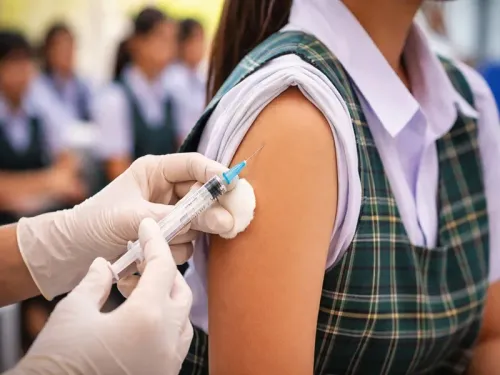
The drive began at Bidhannagar Sub-District Hospital in Salt Lake, Kolkata ; girls aged 14–15 years are eligible.
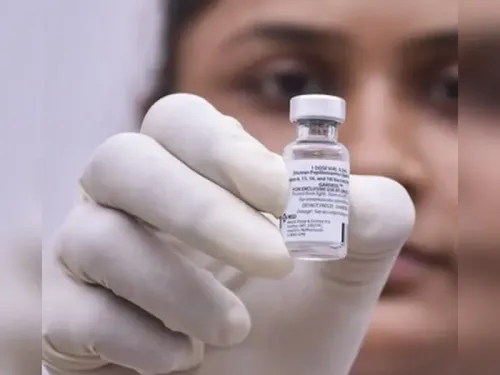
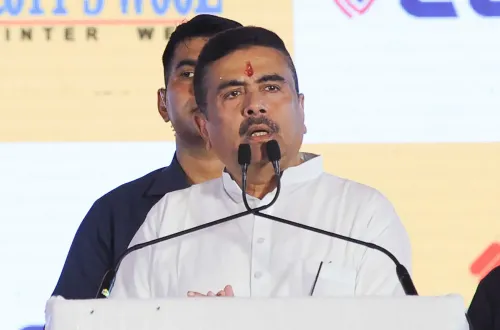
The Centre has sent 7 lakh doses of the cervical cancer vaccine to West Bengal, according to Chief Minister Suvendu Adhikari .
Globally, 6 lakh new cervical cancer cases are diagnosed annually; India records 14 cases per 1,00,000 women each year.
Doctors say timely HPV vaccination can prevent cervical cancer by 75 to 80 per cent .
West Bengal has launched a free HPV (Human Papillomavirus) vaccination drive for teenage girls studying in madrasas across the state, expanding a cervical cancer prevention programme that began on 30 May, senior government officials confirmed on Saturday, 13 June. The initiative follows the Bharatiya Janata Party (BJP) government's assumption of power in the state and is being rolled out under the Centre's national free vaccination framework.
How the Programme Works
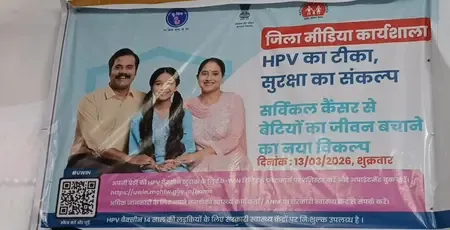
The madrasa-focused HPV vaccination campaign will be coordinated between district administrations and the state's Health and Family Welfare Department, in line with established guidelines and standard operating procedures. Concerned officials have already been issued formal instructions to operationalise the drive. The vaccine is available to any girl above the age of 14–15 years.
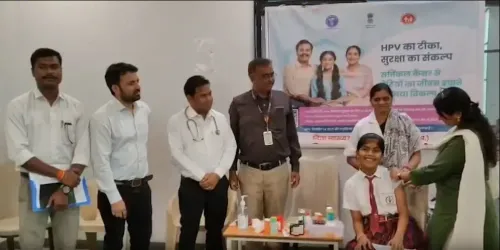
The programme was formally launched at Bidhannagar Sub-District Hospital in Salt Lake, Kolkata. The state government has expressed hope that extending the campaign to madrasa students will also strengthen health awareness among that demographic.
Vaccine Supply and Scale
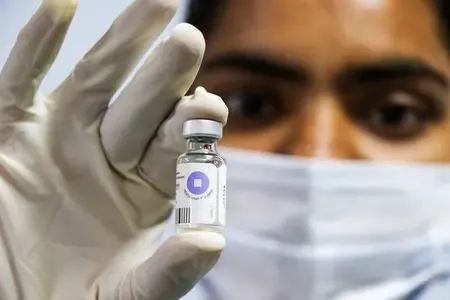
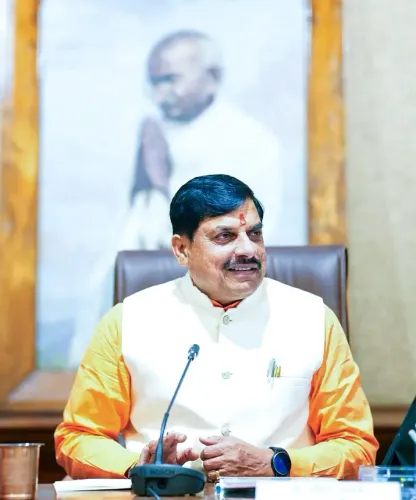
West Bengal Chief Minister Suvendu Adhikari stated that the Centre has dispatched 7 lakh doses of the cervical cancer vaccine to the state. The rollout represents West Bengal's entry into a national effort that has been underway in other states, with the BJP-led state government describing the programme as a priority health intervention for adolescent girls.
Why Cervical Cancer Demands Urgent Action
Cervical cancer remains one of the most pressing public health challenges for women in India. According to available data, 6 lakh new cervical cancer cases are diagnosed globally every year, with the annual death toll standing at approximately 3.4 lakh. In India, cervical cancer is the second most common cancer among women, with 14 new cases per 1,00,000 women recorded annually and a death rate of 9 per lakh. Doctors note that timely HPV vaccination can reduce the risk of cervical cancer by approximately 75 to 80 per cent.
This comes amid persistent social stigma around the disease, which has historically delayed diagnosis and treatment in many communities. Reaching students in madrasas — a segment that may have had limited access to mainstream public health outreach — is seen as a step toward more equitable coverage.
Broader Context
The Centre has been emphasising free HPV vaccination as a cornerstone of its women's health strategy. West Bengal's inclusion in this programme, particularly the targeted madrasa outreach, marks a notable expansion of the drive's reach. Health officials have indicated that the programme's success will depend on sustained coordination between district-level health teams and school and madrasa administrations across the state.
Point of View
But the harder test is execution — specifically, whether district health teams can sustain outreach in institutions that have historically sat outside mainstream public health networks. The 7-lakh-dose figure is a supply commitment, not a coverage guarantee; dropout rates between first and second doses have undermined similar drives elsewhere. West Bengal's cervical cancer burden mirrors the national average, which means the programme's real impact will only be visible in incidence data years from now. The political framing — attributing the launch to the BJP government's arrival — is worth noting, but the underlying scheme is a Central government initiative; what the state adds is the madrasa-specific targeting, which is the genuinely novel element here.
NationPress
25 Sept 2026
Frequently Asked Questions
What is the free cervical cancer vaccination programme in West Bengal?
West Bengal has launched a free HPV vaccination drive for teenage girls, including those studying in madrasas, under the Centre's national cervical cancer prevention programme. The drive began on 30 May and targets girls aged 14–15 years, with 7 lakh doses dispatched to the state by the Central government.
Who is eligible for the free HPV vaccine in West Bengal?
Any girl above the age of 14–15 years in West Bengal is eligible for the free cervical cancer vaccine. The expanded madrasa campaign specifically targets teenage girls enrolled in madrasa institutions across the state.
Where did the HPV vaccination drive begin in West Bengal?
The vaccination programme was formally launched at Bidhannagar Sub-District Hospital in Salt Lake, Kolkata. It will be extended to madrasas across the state in coordination with district administrations and the Health and Family Welfare Department.
Why is cervical cancer vaccination important in India?
Cervical cancer is the second most common cancer among women in India, with 14 new cases per 1,00,000 women recorded annually and a death rate of 9 per lakh. Doctors say timely HPV vaccination can reduce the risk of developing cervical cancer by approximately 75 to 80 per cent.
How many vaccine doses has the Centre sent to West Bengal?
According to Chief Minister Suvendu Adhikari, the Central government has dispatched 7 lakh doses of the cervical cancer vaccine to West Bengal for the ongoing free vaccination drive.