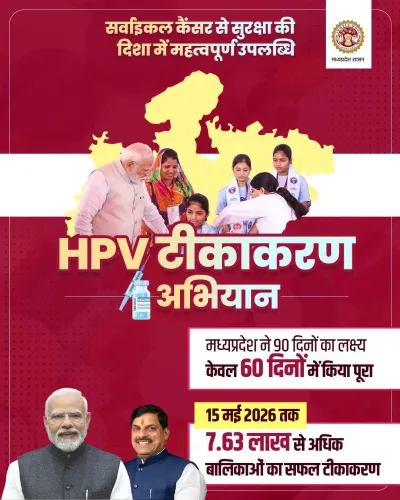
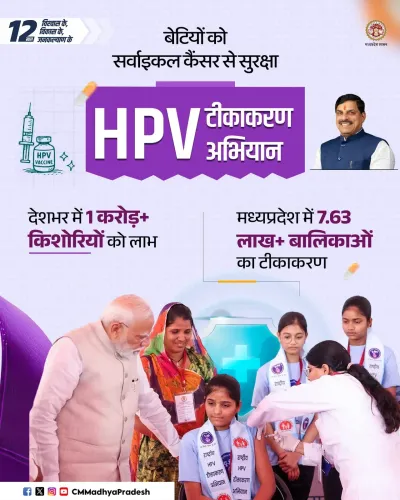
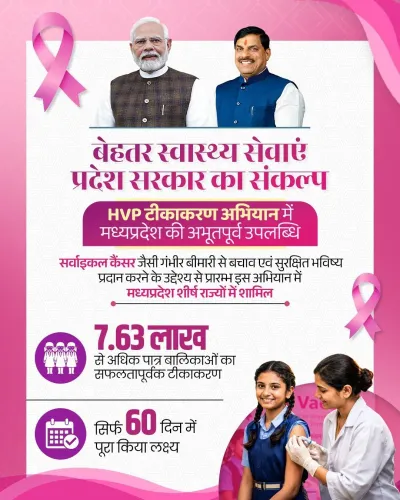
Madhya Pradesh Accelerates HPV Vaccination; Over 200,000 Girls Protected
Synopsis
Madhya Pradesh is making significant strides in its HPV vaccination initiative, with over 200,000 adolescent girls vaccinated. This campaign is part of a national effort aimed at preventing cervical cancer and promoting women's health.
Key Takeaways
Over 200,000 adolescent girls vaccinated in Madhya Pradesh.
Campaign aims to prevent cervical cancer .
Initiative launched by Prime Minister Narendra Modi .
High vaccination rates achieved in several districts.
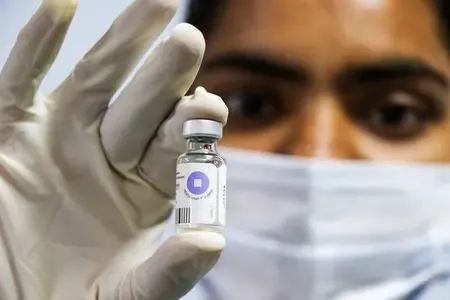
HPV vaccines show 93-100% effectiveness.
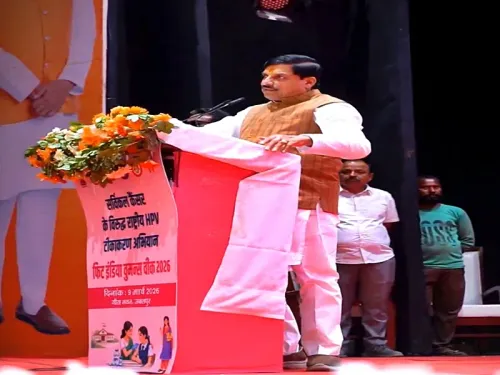
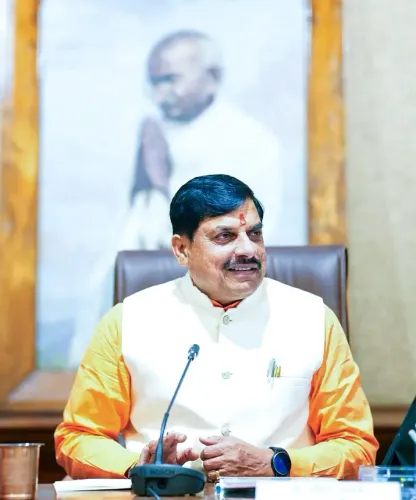
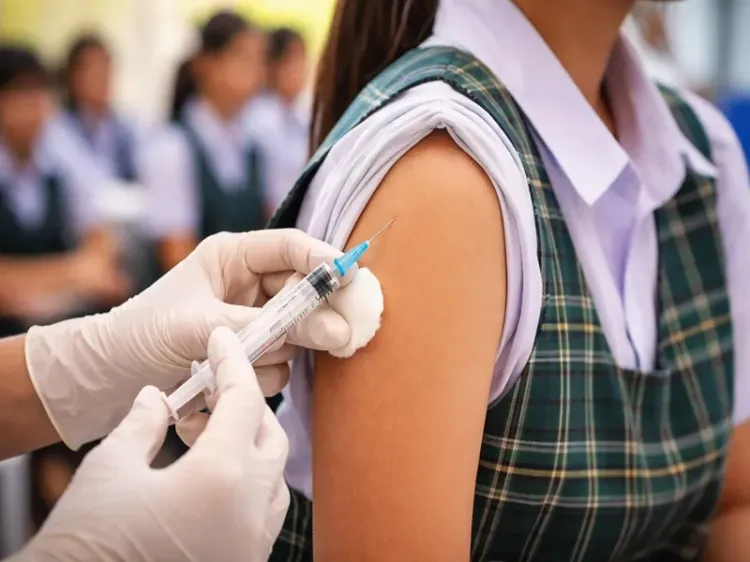
Bhopal, March 25 (NationPress) More than 200,000 young girls between the ages of 9 and 14 years have been administered the Human Papillomavirus (HPV) vaccine in Madhya Pradesh, as reported by Deputy Chief Minister Rajendra Shukla on Wednesday.
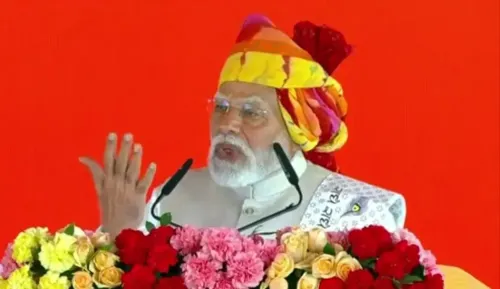
This ongoing HPV vaccination campaign forms part of a nationwide effort initiated by Prime Minister Narendra Modi in Ajmer, Rajasthan on February 28. The goal of this initiative is to fight against cervical cancer among women.
“Madhya Pradesh has taken a significant lead in the nation by vaccinating over 100,000 adolescents within the first 15 days of the campaign. Now, with the numbers exceeding 200,000, the state has further established its position as a leader,” stated Shukla, who oversees the state’s Health Department.
Multiple state government departments, including School Education, Women and Child Development, and Panchayats, alongside various non-profit organizations, have united to turn this initiative into a widespread movement throughout the state.
Shukla highlighted that districts like Mandla, Balaghat, Dindori, Rajgarh, Khargone, and others have shown remarkable commitment during the campaign, achieving impressive vaccination rates through organized camps in schools, community health centers, and villages.
The government indicated that Dindori district leads with 74.70% of adolescent girls receiving the vaccine, followed closely by Rajgarh at 69.61%. Other districts showing high coverage include Balaghat (68.95%), Mandla (66.44%), Khargone (55.06%), and Khandwa (53.15%).
Shukla urged parents to ensure that their daughters aged 14 to 15 receive the HPV vaccine, thereby protecting them from serious conditions such as cervical cancer.
He expressed optimism that the state’s Health Department would soon complete the vaccination of all remaining eligible girls.
This vaccination campaign is set to conclude 90 days after February 28. Following the campaign's end, the HPV vaccine will be accessible during routine immunization sessions.
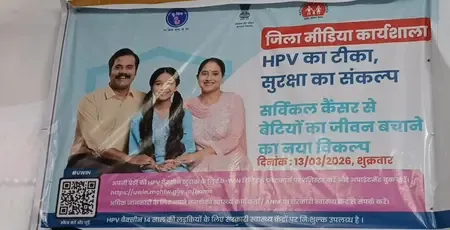
As per a prior notification from the Centre, HPV vaccines are shown to be 93-100% effective in preventing cervical cancer linked to the HPV types covered by the vaccine. Additionally, evidence suggests a strong herd immunity effect—higher vaccination rates lead to decreased circulation of HPV strains, offering indirect protection even to those not vaccinated.
Point of View
The HPV vaccination drive in Madhya Pradesh highlights a proactive approach toward women's health. The state's collaboration across various departments showcases a commitment to public health, ensuring that young girls are protected against cervical cancer. This initiative should serve as a model for other regions aiming to enhance vaccination coverage.
NationPress
24 Sept 2026
Frequently Asked Questions
What is the HPV vaccination drive about?
The HPV vaccination drive aims to immunize adolescent girls against the Human Papillomavirus, which is linked to cervical cancer. This initiative is part of a national campaign to improve women's health.
How many girls have been vaccinated?
Over 200,000 adolescent girls aged 9 to 14 years have received the HPV vaccine in Madhya Pradesh.
Who launched this initiative?
The HPV vaccination initiative was launched by Prime Minister Narendra Modi on February 28 from Ajmer, Rajasthan.
What is the effectiveness of the HPV vaccine?
HPV vaccines are reported to be 93-100% effective in preventing cervical cancer caused by the vaccine-covered HPV types.
How can parents ensure their daughters get vaccinated?
Parents are encouraged to take their daughters aged 14 to 15 years to receive the HPV vaccine, as part of this important health initiative.