Is Namibia Seeking 94 Million USD to Safeguard its Livestock Industry from the FMD Threat?

Synopsis
Namibia is urgently seeking 1.5 billion Namibian dollars to protect its livestock sector from the looming threat of Foot-and-Mouth Disease. This funding is essential to ensure the nation's FMD-free status and safeguard jobs, revenue, and food security as regional risks escalate.
Key Takeaways
Namibia seeks 1.5 billion Namibian dollars for FMD prevention.
The livestock sector is valued at around 15 billion Namibian dollars .
FMD poses a significant threat due to regional outbreaks.
Maintaining FMD-free status is crucial for beef exports.
Preventive measures include strict import controls and enhanced border patrols.
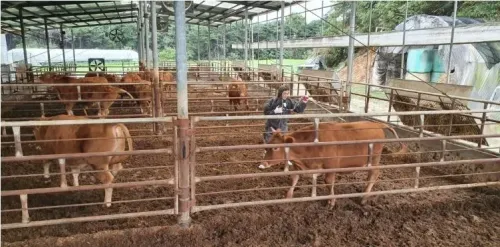
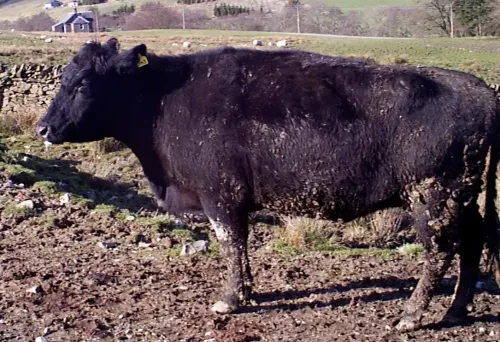
Windhoek, Feb 11 (NationPress) Namibia is in need of approximately 1.5 billion Namibian dollars (around 94 million US dollars) in extra funding to protect its livestock industry, valued at about 15 billion Namibian dollars, due to increasing regional threats posed by Foot-and-Mouth Disease (FMD), according to a high-ranking official.
During a session in the National Assembly, Inge Zaamwani, Namibia's Minister of Agriculture, Fisheries, Water, and Land Reform, indicated that this funding is in addition to the 57.5 million Namibian dollars already sanctioned by the Cabinet to enhance prevention and preparedness strategies, as reported by Xinhua News Agency.
“Following the recent outbreak in the Northern Cape, just about 400 km from our border, the risk posed to Namibia has escalated significantly and is encroaching closer,” the minister remarked. She emphasized that maintaining the nation's FMD-free status is crucial for protecting jobs, revenue, and food security.
Namibia currently boasts an internationally recognized FMD-free status under the World Organisation for Animal Health, a classification vital for sustaining beef exports and accessing premium global markets.
Zaamwani further stated that the southern African nation has enacted a series of preventive actions, including halting and meticulously regulating imports of cloven-hoofed animals and related products from affected regions, deploying extra veterinary personnel at border crossings, ramping up vehicle inspections, and boosting public awareness initiatives.
Additionally, plans are underway to enhance border patrols, conduct monthly surveillance at border farms, establish disease control and buffer zones in high-risk areas near the borders, and create a national FMD vaccine storage facility to ensure swift action in the event of an outbreak, she explained.
According to Zaamwani, the proposed 1.5 billion Namibian dollars investment would finance expanded border patrols, the construction of disinfection and incineration facilities at border checkpoints, re-zoning of FMD-free areas into smaller sections, and upgrades to meat processing facilities to maintain trade even during outbreaks.
Namibia exports beef to various international markets, with the European Union consistently being the largest destination, alongside significant exports to South Africa, Britain, and Norway.
Point of View
It is evident that Namibia's urgent appeal for additional funding to combat the FMD threat is a critical step in safeguarding its livestock industry. The nation's proactive measures reflect a commitment to ensuring food security and economic stability, which are paramount in today's uncertain environment. It is essential that we support and follow the developments in this vital sector.
NationPress
3 Oct 2026
Frequently Asked Questions
Why is Namibia seeking additional funding?
Namibia is seeking additional funding to protect its livestock sector from the increasing threat of Foot-and-Mouth Disease (FMD), which could jeopardize its economy and food security.
What is the current status of Namibia's livestock industry?
The livestock industry in Namibia is valued at approximately 15 billion Namibian dollars and is a crucial part of the country's economy.
What measures is Namibia taking to prevent FMD outbreaks?
Namibia has enacted several preventive measures, including halting imports from affected areas, increasing border patrols, and enhancing public awareness campaigns.
What is the significance of Namibia's FMD-free status?
Maintaining FMD-free status is vital for Namibia as it allows access to premium international markets for beef exports.
Which countries does Namibia export beef to?
Namibia exports beef to various countries, with the European Union being the largest market, followed by South Africa, Britain, and Norway.