South Korea-US joint military exercises: Seoul in active consultation amid OPCON concerns
Synopsis
Trump's order to scale back US-South Korea joint military exercises has put Seoul's decade-long push to reclaim wartime OPCON of its troops in jeopardy — even as Washington signals fresh diplomatic overtures toward Pyongyang. Seoul's National Security Advisor is publicly holding the line on coordination, but the alliance faces a genuine tension between Trump's North Korea gambit and South Korea's own security calculus.
Key Takeaways
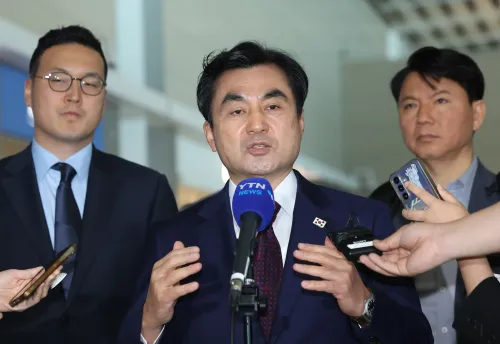
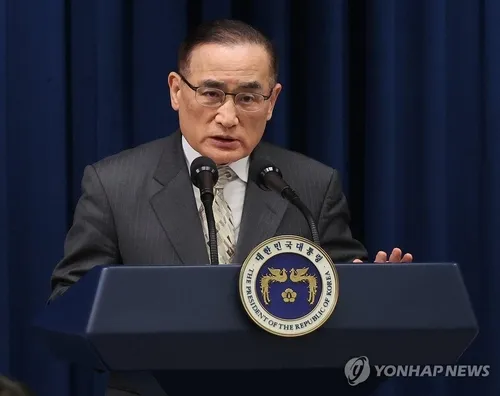
National Security Advisor Wi Sung-lac confirmed on 18 August that South Korea is in active consultation with the US over combined military exercises.
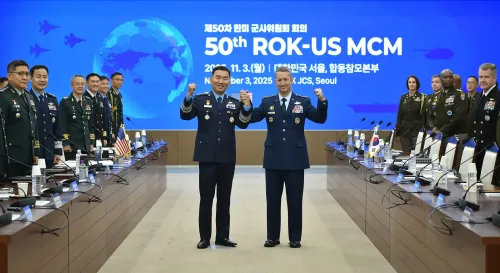
President Donald Trump ordered a substantial reduction in joint military drills with Seoul, widely seen as an overture to North Korea .
President Lee Jae Myung reaffirmed his commitment to completing the wartime OPCON transfer from US to South Korean command by 2030 .
Trump disclosed in a social media post that he asked Seoul to join efforts to denuclearise Iran and was told 'No thanks.' Wi said South Korea has a 'keener interest' in Iran's denuclearisation given its experience with North Korea 's nuclear programme.
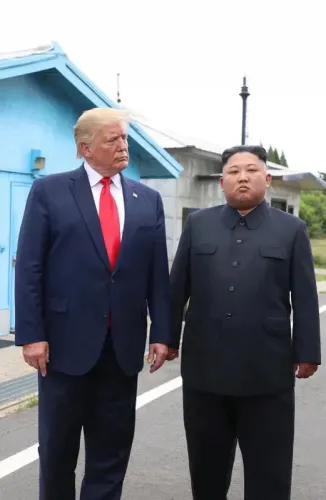
Trump shared a 2019 photo with Kim Jong-un at Panmunjom , signalling possible renewed US-North Korea engagement.
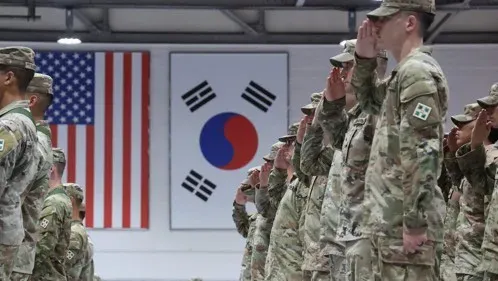
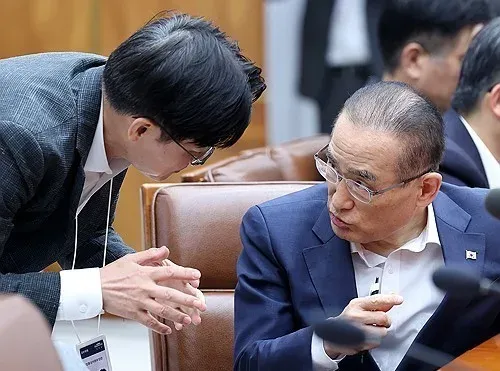
South Korea is in active and ongoing consultation with the United States over their combined military exercises, National Security Advisor Wi Sung-lac said on Tuesday, 18 August, as Seoul works to manage the fallout from US President Donald Trump's order to substantially scale back joint drills. The statement comes at a delicate moment for the alliance, with Seoul's long-standing plan to reclaim wartime operational control (OPCON) of its troops now facing fresh uncertainty.
What Wi Sung-lac Said
'Based on the strong South Korea-US alliance, our government has been continuing coordination with the US side on combined exercises and drills between South Korea and the US,' Wi told reporters. He added that the two countries will 'continue such coordination in the future.' The national security advisor also signalled that Seoul is accelerating efforts to independently strengthen its own defence capabilities.
The OPCON Question
Trump's instruction to reduce the scale of joint exercises has triggered concern in Seoul that the move could hinder formal assessments of the South Korean military's operational readiness — assessments that are a prerequisite for transferring wartime OPCON from US to South Korean command. At a Cabinet meeting on the same day, President Lee Jae Myung reaffirmed his commitment to completing the OPCON transfer within his term, which runs until 2030. The OPCON transition has been a recurring agenda item for successive South Korean governments and has been delayed multiple times since it was first agreed upon.
Trump's Outreach to North Korea — and the Iran Question
Trump's exercise reduction is widely read as a diplomatic signal to Pyongyang, echoing a similar move during his first term when he suspended drills following the 2018 Singapore summit with North Korean leader Kim Jong-un. In a recent social media post, Trump shared a photograph of his 2019 meeting with Kim at the inter-Korean border village of Panmunjom, noting that the two 'get along great' — a signal that Washington may be laying groundwork for renewed engagement with the North.
Separately, Trump also disclosed in a social media post that he had asked President Lee whether Seoul would join efforts to denuclearise Iran, and was told, 'No thanks.' Addressing the remark, Wi said South Korea has been actively participating in international discussions on freedom of navigation in the Strait of Hormuz and global non-proliferation efforts from the outset, and is reviewing options for 'practical contributions' consistent with its defence posture on the Korean Peninsula and domestic legal requirements.
Seoul's Stake in Denuclearisation
Wi stressed that South Korea has a 'keener interest' than most in Iran's denuclearisation, drawing on the country's own experience navigating North Korea's nuclear defiance of the Nuclear Non-Proliferation Treaty (NPT). The parallel, he suggested, gives Seoul a unique perspective in multilateral non-proliferation frameworks.
What Comes Next
Wi expressed hope that the visible warmth between Trump and Kim — amplified by Trump's recent social media posts — would translate into substantive dialogue and a resumption of talks aimed at stability on the Korean Peninsula. Whether the exercise scale-back accelerates that diplomatic track or merely weakens Seoul's deterrence posture without a corresponding concession from Pyongyang remains the central question for the alliance going forward.
Point of View
Not Washington. The OPCON transfer, already delayed for years, requires verified assessments of South Korean operational readiness that joint exercises are specifically designed to produce; scaling them back directly undermines the timeline Lee has staked his presidency on. What mainstream coverage underplays is the compounding effect: Seoul is simultaneously being asked to absorb reduced drills, deflect a US request on Iran, and manage public anxiety about North Korea — all while projecting alliance solidarity. Wi's careful language ('coordination will continue') is diplomatic holding action, not reassurance. The real test is whether Trump's North Korea gambit yields any verifiable concession, or simply hands Pyongyang a free de-escalation token at Seoul's expense.
NationPress
18 Aug 2026
Frequently Asked Questions
Why is South Korea concerned about Trump's decision to reduce joint military exercises?
Seoul fears that scaling back combined drills will delay formal assessments of the South Korean military's operational readiness, which are required before wartime OPCON can be transferred from US to South Korean command. President Lee Jae Myung has committed to completing the OPCON transfer by 2030.
What is wartime OPCON and why does it matter to South Korea?
Wartime Operational Control (OPCON) refers to the authority to command South Korean and US forces on the Korean Peninsula during a conflict. Currently held by the US-led Combined Forces Command, transferring it to South Korean command has been a sovereignty priority for successive Seoul governments, though it has been delayed multiple times.
What did Trump say about North Korea in his recent social media posts?
Trump posted a photograph of his 2019 meeting with North Korean leader Kim Jong-un at the inter-Korean border village of Panmunjom, stating that he and Kim 'get along great.' The posts are widely interpreted as a signal that Washington may be preparing fresh diplomatic engagement with Pyongyang.
Why did South Korea decline Trump's request to join Iran denuclearisation efforts?
South Korea told Trump 'No thanks' when asked to join efforts to denuclearise Iran, according to Trump's own social media post. National Security Advisor Wi Sung-lac clarified that Seoul is already engaged in international discussions on freedom of navigation in the Strait of Hormuz and non-proliferation, and is reviewing options for practical contributions consistent with its Korean Peninsula defence posture and domestic law.
What did South Korea's National Security Advisor say about the alliance?
Wi Sung-lac said Seoul has been 'continuing coordination with the US side on combined exercises and drills' based on the strong bilateral alliance, and that such coordination will continue. He also said South Korea is independently stepping up efforts to strengthen its own defence capabilities.