Nepal Secures Opportunity to Import 350 MW of Power from Indian States
Synopsis
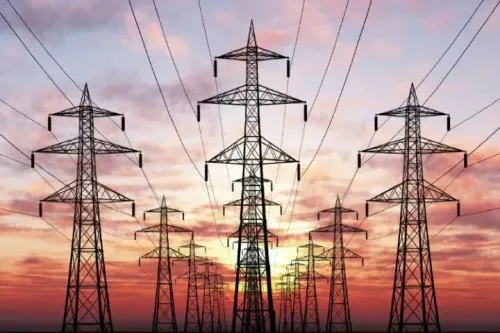
In a significant development, Nepal is set to import an extra 350 MW of electricity from India, including states like Bihar and Uttar Pradesh. This agreement, reached during a bilateral meeting, aims to bolster energy supply in Nepal during winter when local production declines.
Key Takeaways
Nepal can import an additional 350 MW of electricity from India.
The agreement was reached after a two-day bilateral meeting.
Electricity rates have increased by 1.5 percent .
Current imports from India range between 12,000–14,000 MWh daily.
Timely agreements are crucial for managing winter energy demands.
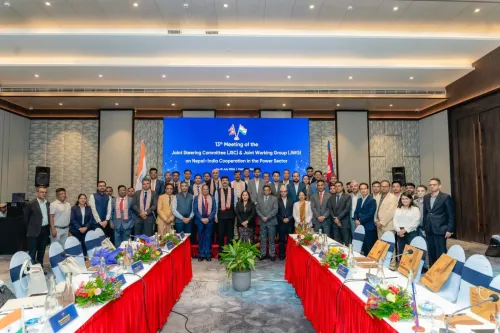
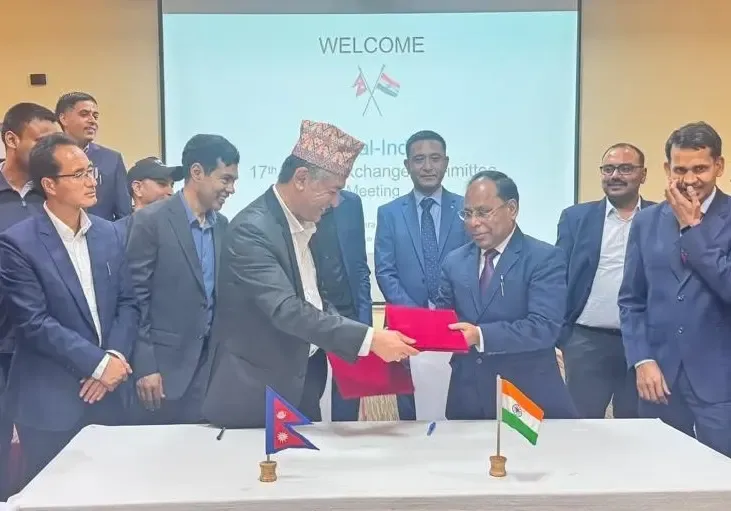
Kathmandu, March 13 (NationPress) Nepal has received the green light to import an additional 350 MW of electricity from its neighboring Indian states, including Bihar, Uttar Pradesh, and Uttarakhand, following a new agreement established during a two-day bilateral meeting that wrapped up in the western city of Pokhara on Friday.
While Nepal exports electricity to India during the monsoon season, it faces the challenge of needing to procure power from India in winter. This is due to a significant drop in output from its run-of-the-river hydropower projects during that time.
During the recent meeting of the Power Exchange Committee (PEC)—which includes the Nepal Electricity Authority (NEA) and India's Central Electricity Authority (CEA)—the two parties agreed to a 1.5 percent increase in the electricity purchase rate, facilitating Nepal's winter imports from the three Indian states.
Under this new agreement, the electricity purchase price via the 132 kV transmission line is set at NPR 8.22 per unit. Similarly, the fee for power from the 33 kV line is NPR 8.91 per unit, and for the 11 kV line, it is NPR 9.55 per unit, as stated by the NEA. This rate will remain effective for one year.
With the new pact, the NEA anticipates a reliable electricity supply from India during the dry months of March and April, a period when electricity demand in Nepal typically surges.
The Nepali delegation was led by NEA Managing Director Hitendra Dev Shakya, while the Indian delegation was headed by Vijay Kumar Singh, a board member of India's CEA.
Shakya clarified to IANS that while both parties agreed to the increased purchase rate, it will only apply when Nepal acquires electricity through this bilateral mechanism.
“As long as prices remain competitive in the electricity exchange market, Nepal is sourcing power from there,” he noted. “However, if the rates escalate and the availability in India’s power exchange market is insufficient, Nepal can utilize the Power Exchange Committee mechanism to purchase up to 350 MW.”
According to the NEA, during the negotiations, the Indian side initially proposed a 5.5 percent increase in the purchase rate, citing rising domestic production costs in India. However, the Nepali representatives advocated for a lower rate, highlighting a recent decrease in electricity prices within India’s open market.
Currently, the NEA imports approximately 12,000–14,000 megawatt-hours of electricity from India daily. This figure is expected to rise as demand escalates during the dry season.
Furthermore, the NEA pointed out that the ongoing conflict involving Israel, Iran, and parts of West Asia has put pressure on regional energy markets, which could have repercussions on electricity supply.
“This timely agreement with India is likely to greatly assist in managing power supply,” the NEA stated.
Point of View
The agreement between Nepal and India for the import of additional electricity signifies a crucial step towards energy security. It reflects ongoing collaboration and negotiation between neighboring countries to ensure mutual benefits, especially during challenging periods like the winter months when local production is insufficient.
NationPress
13 Oct 2026
Frequently Asked Questions
What is the new power import agreement between Nepal and India?
Nepal has reached an agreement to import up to 350 MW of electricity from Indian states Bihar, Uttar Pradesh, and Uttarakhand during winter months to ensure energy security.
Why does Nepal need to import electricity from India?
During winter, Nepal's run-of-the-river hydropower projects produce less electricity, necessitating imports from India to meet rising demand.
What are the new electricity purchase rates set in the agreement?
The rates are NPR 8.22 per unit for the 132 kV line, NPR 8.91 for the 33 kV line, and NPR 9.55 for the 11 kV line.
How much electricity does Nepal currently import from India?
Nepal imports approximately 12,000–14,000 megawatt-hours of electricity daily from India.
What impact could regional conflicts have on electricity supply?
Ongoing conflicts in West Asia may pressure regional energy markets, potentially affecting electricity supply to Nepal.