India and Nepal: Strengthening Energy and Infrastructure Ties as LDC Status Changes
Synopsis
As Nepal prepares to transition from LDC status in 2026, India's support in energy and infrastructure becomes critical. This partnership will not only enhance trade but also bolster Nepal's development goals amidst regulatory challenges.
Key Takeaways
Nepal's transition from LDC status is a crucial milestone for its economic growth.
India's collaboration in energy and infrastructure is pivotal during this transition.
The Long Term Power Trade Agreement will significantly reduce Nepal’s trade deficit.
Regulatory challenges and implementation hurdles need to be addressed.
International partnerships can bolster Nepal's development efforts.
New Delhi, April 16 (NationPress) As Nepal gears up to transition from its status as a least developed country (LDC) in November 2026, India’s involvement in Nepal's development is set to become even more vital, according to a recent report.
The completion of various connectivity initiatives and the full implementation of the Long Term Power Trade Agreement will aid in diminishing Nepal’s trade deficit with India, as highlighted by the East Asia Forum report.
With the goal of enhancing its manufacturing capabilities and increasing exports for a seamless exit from LDC status, Nepal recognizes that cooperation in energy and infrastructure with India is essential during this transition.
The report notes that the bilateral partnership has evolved from traditional infrastructure support to a modern ‘high-tech, high connectivity’ framework, emphasizing significant investments in digital integration and energy collaboration.
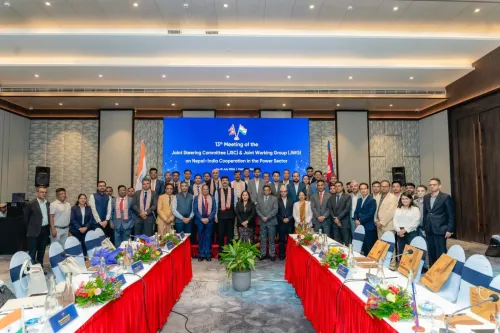
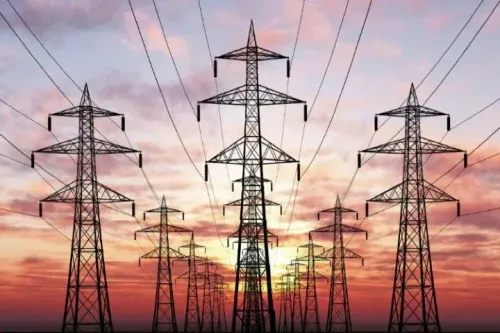
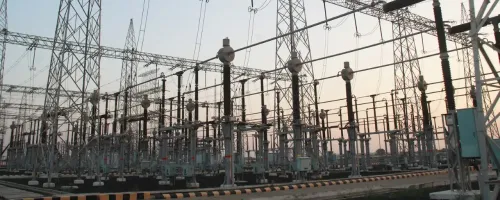
As part of the 25-year power trade agreement signed in January 2024, Nepal is set to export 10,000 megawatts to India over the next decade, with both nations working to upgrade low-capacity transmission systems from 132/33 kV to 400 kV to facilitate increased exports.
India is also playing a key role in enabling 40 megawatts of power transmission from Nepal to Bangladesh under a trilateral agreement initiated in October 2024, which expanded to 60 MW annually in late 2025.
The establishment of a dedicated high-capacity transmission line linking Nepal and Bangladesh through Indian territory is deemed essential to fulfilling Bangladesh’s rising energy requirements and realizing Nepal’s hydropower aspirations.
Moreover, collaboration with Japan and European countries can further bolster development investments in Nepal. A proactive, growth-centric development partnership is mutually beneficial for both nations, the report states.
However, the report raises concerns over regulatory delays, funding shortages, and implementation hurdles that are hindering progress.
For example, the proposed Anarmani–Siliguri cross-border transmission line relies on the timely completion of Nepal’s Hetauda–Inaruwa–Anarmani line, which is currently stalled due to Right of Way disputes, forest clearance issues, and procedural bottlenecks. This line is crucial for Nepal to sell power to Bangladesh via the Indian grid.
Indian companies currently possess ownership or survey licenses for approximately 5,000 megawatts of Nepali hydropower projects, although some are experiencing delays in finalizing agreements on detailed project reports.
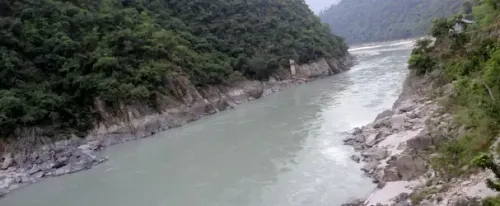
Ongoing hydropower projects face several challenges, including high seismic risks, loss of forest corridors, cost overruns due to bureaucratic delays, and local community opposition regarding resettlement and compensation.
Point of View
The evolving partnership between India and Nepal reflects a strategic alignment aimed at mutual benefits. While ambitious projects are underway, addressing implementation hurdles remains essential for success.
NationPress
20 Sept 2026
Frequently Asked Questions
What is the significance of Nepal graduating from LDC status?
Graduating from LDC status signifies Nepal's economic progress and allows for increased international investment and trade opportunities, fostering overall development.
How will the Long Term Power Trade Agreement impact Nepal?
The Long Term Power Trade Agreement will enable Nepal to export significant amounts of electricity to India, decreasing its trade deficit and enhancing its economic standing.
What challenges does Nepal face in its hydropower projects?
Challenges include regulatory delays, funding shortages, high seismic risks, and community opposition, which can hinder the successful implementation of hydropower initiatives.
How does India facilitate power transmission to Bangladesh?
India helps facilitate the transmission of power from Nepal to Bangladesh through a trilateral agreement, expanding capacity to meet Bangladesh's growing energy needs.
What is the role of international collaboration in Nepal's development?
International collaboration, particularly with Japan and European countries, can enhance investment in Nepal’s development projects, driving economic growth and infrastructure improvements.