India approves 18-hour daily power supply to Nepal till Dec 31 after flood crisis
Synopsis
India's approval of 18-hour daily power exports to Nepal — up to 654 MW across two transmission corridors — is both a humanitarian response and a signal of how deeply the two neighbours' energy grids are intertwined. With 1,386 dead, over 5,000 missing, and Nepal's hydropower backbone crippled by an ice-rock avalanche, New Delhi's swift multi-front intervention sets the template for South Asian disaster diplomacy.
Key Takeaways
India's Ministry of Power approved 18-hour daily power export to Nepal until 31 December 2026 .
Up to 600 MW will flow via the Muzaffarpur-Dhalkebar 400 kV D/C line ; an additional 54 MW via the Tanakpur-Mahendranagar 132 kV S/C line .
Flash floods triggered by an ice-rock avalanche near the Nepal-Tibet border on 26 August 2026 devastated Nepal's hydropower infrastructure.
The disaster death toll has risen to 1,386 , with 5,130 people still missing across eight districts .
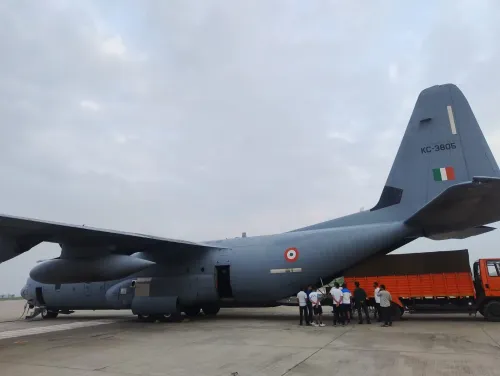
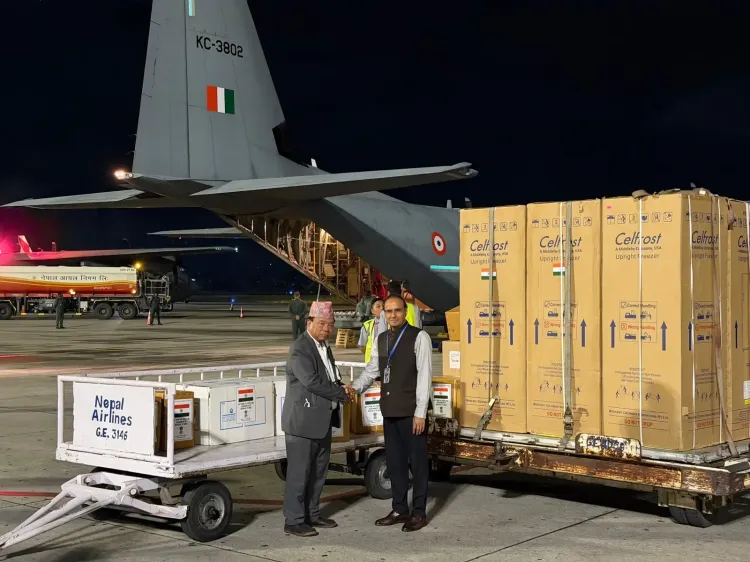
India has also deployed Indian Air Force aircraft, specialised rescue equipment, and DNA profiling kits for victim identification.
The power export quantum for January 2027 will be reviewed in December 2026 based on Nepal's recovery.
India has approved the export of up to 600 MW of electricity to Nepal for 18 hours a day until 31 December 2026, following devastating flash floods that severely damaged the Himalayan nation's hydropower infrastructure and sharply reduced its domestic power generation capacity. The decision, announced by the Ministry of Power on Monday, 14 September 2026, is aimed at helping Nepal meet its electricity needs during what officials described as a 'difficult period.'
Transmission Lines and Power Quantum
Under the approved plan, up to 600 MW of power will be exported through the Muzaffarpur-Dhalkebar 400 kV D/C line, while an additional 54 MW will flow through the Tanakpur-Mahendranagar 132 kV S/C line. The Nepal Electricity Authority is the designated recipient of the supply. According to the official statement, the quantum of power to be exported from January 2027 onwards will be reviewed in December 2026.
Cause: Flash Floods Cripple Nepal's Power Grid
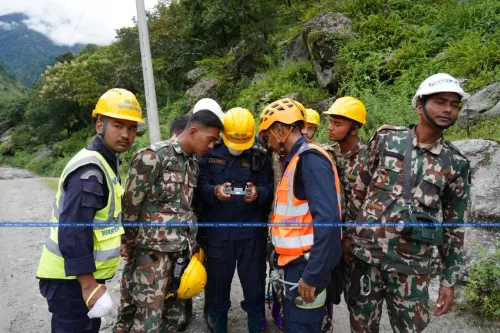
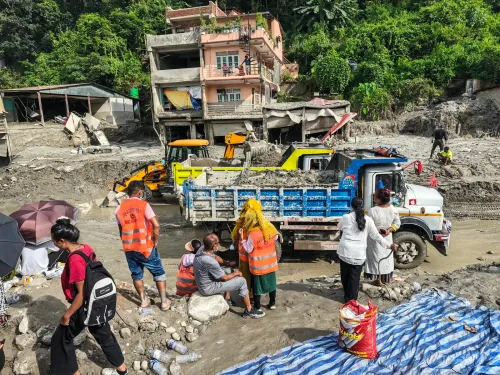
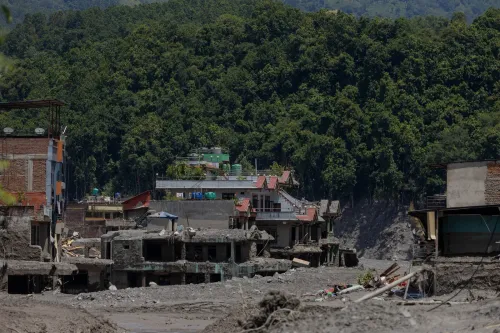
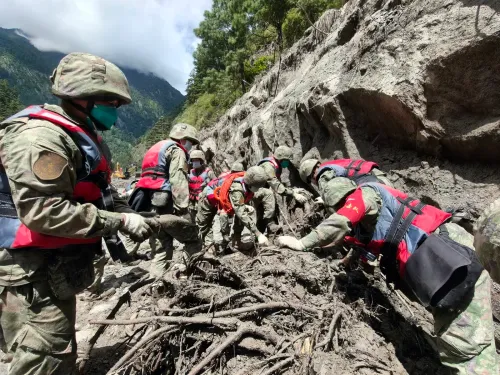
The approval comes in direct response to flash floods triggered by an ice-rock avalanche near the Nepal-Tibet border on 26 August 2026, which devastated towns and villages across northern and central Nepal. The floods caused significant damage to hydropower infrastructure, creating an acute shortfall in domestic electricity generation. The death toll from the disaster has climbed to 1,386, with bodies recovered from eight affected districts. Around 5,130 people are still reported missing, according to Nepal's National Disaster Risk Reduction and Management Authority. More than 13,700 people have been rescued so far, while 339 remain hospitalised.
India's Broader Humanitarian Response
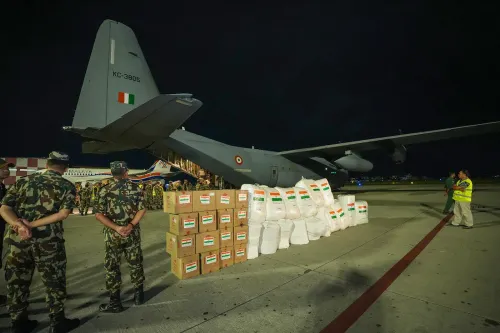
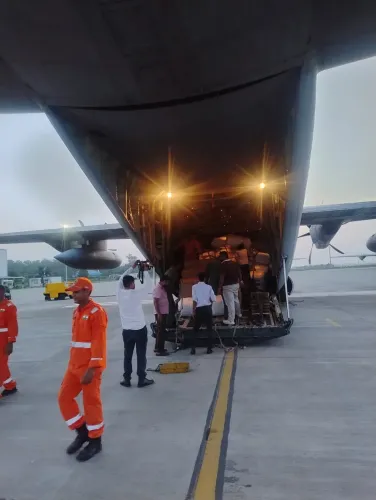
New Delhi has moved on multiple fronts beyond the power supply decision. Indian Air Force aircraft were deployed to ferry relief and rescue supplies to Kathmandu. India also dispatched specialised technical equipment — including mud rescue suits, gas detectors, breathing apparatus, inflatable walkways, portable generators, lighting towers, and dewatering pumps — to support on-ground operations. Additionally, India provided DNA kits, reagents, and profiling equipment to assist in the identification of victims. As of the latest update, 104 of the recovered bodies have been identified and handed over to families.
Bilateral Energy Cooperation in Focus
India and Nepal share a longstanding energy partnership, with cross-border transmission infrastructure playing a central role. This emergency approval builds on that framework, with officials framing it explicitly as an extension of bilateral cooperation rather than a one-off measure. 'India remains committed to supporting Nepal and strengthening bilateral cooperation in the energy sector,' the official statement noted. Notably, this is not the first time India has extended emergency energy support to its northern neighbour — past instances during power crises have consistently reinforced the two countries' energy interdependence.
What Happens Next
The 18-hour-a-day supply arrangement will run through the end of December 2026, at which point both governments will reassess Nepal's domestic generation capacity and recalibrate the export quantum for January 2027 and beyond. The pace of Nepal's hydropower infrastructure repair and the trajectory of the monsoon season will likely determine how quickly the country can reduce its dependence on Indian power imports.
Point of View
Both of which operate below their theoretical maximums. What mainstream coverage underplays is the review clause: the December reassessment will be a quiet but important moment, revealing how much of Nepal's damaged hydropower can realistically be restored before winter demand peaks. If recovery lags, the arrangement could quietly extend well into 2027 — and the bilateral dependency deepens.
NationPress
14 Sept 2026
Frequently Asked Questions
Why has India approved emergency power supply to Nepal?
India approved 18-hour daily power exports to Nepal because flash floods triggered by an ice-rock avalanche near the Nepal-Tibet border on 26 August 2026 caused extensive damage to Nepal's hydropower projects, significantly reducing its domestic electricity generation capacity. The supply is intended to bridge the shortfall until Nepal can restore its own generation infrastructure.
How much power will India export to Nepal and through which lines?
India will export up to 600 MW through the Muzaffarpur-Dhalkebar 400 kV D/C line and up to 54 MW through the Tanakpur-Mahendranagar 132 kV S/C line, totalling up to 654 MW for 18 hours a day. The Nepal Electricity Authority is the designated recipient.
How long will India supply power to Nepal under this arrangement?
The 18-hour daily supply will continue until 31 December 2026. The quantum of power to be exported from January 2027 will be reviewed in December 2026, depending on Nepal's recovery of its domestic hydropower capacity.
What is the scale of the Nepal flood disaster?
The death toll from the flash floods has risen to 1,386, with bodies recovered from eight affected districts. Around 5,130 people are still missing, while more than 13,700 have been rescued and 339 remain hospitalised, according to Nepal's National Disaster Risk Reduction and Management Authority.
What other assistance has India provided to Nepal following the floods?
Beyond the power supply approval, India deployed Indian Air Force aircraft to deliver relief supplies to Kathmandu and dispatched specialised equipment including mud rescue suits, gas detectors, breathing apparatus, portable generators, and lighting towers. India also provided DNA kits and profiling equipment to help identify flood victims, of whom 104 have been identified and returned to families so far.