CM Dhami Reviews UPCL, PTCUL Finances; ₹539 Cr Govt Dues Flagged
Synopsis
CM Pushkar Singh Dhami chaired a review of UPCL and PTCUL on 29 October 2026, revealing ₹539.61 crore in unpaid electricity bills owed by state government departments and directing time-bound clearance, release of ₹166 crore to PTCUL, and priority budget for prepaid smart meters under the central RDSS scheme.
Key Takeaways
State government departments owe ₹539.61 crore in electricity dues to UPCL as of 30 September 2026 .
CM Dhami ordered officials to prepare a time-bound action plan to clear all pending inter-departmental electricity bills.
Approximately ₹166 crore of supplementary budget funds ordered to be released immediately to PTCUL to speed up EPC works and payments.
Priority given to converting smart meters in government offices to prepaid mode under the Central government's RDSS Phase-1.
Pending dues from the Uttarakhand–Uttar Pradesh power asset division under the Transfer Scheme were flagged for urgent resolution.
Financial provisioning for uninterrupted winter electricity supply discussed given rising seasonal demand.
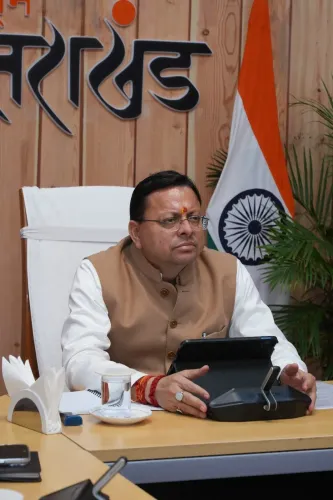
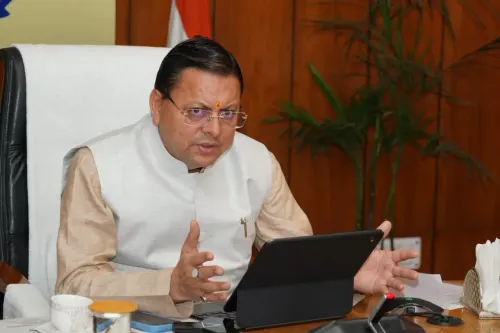
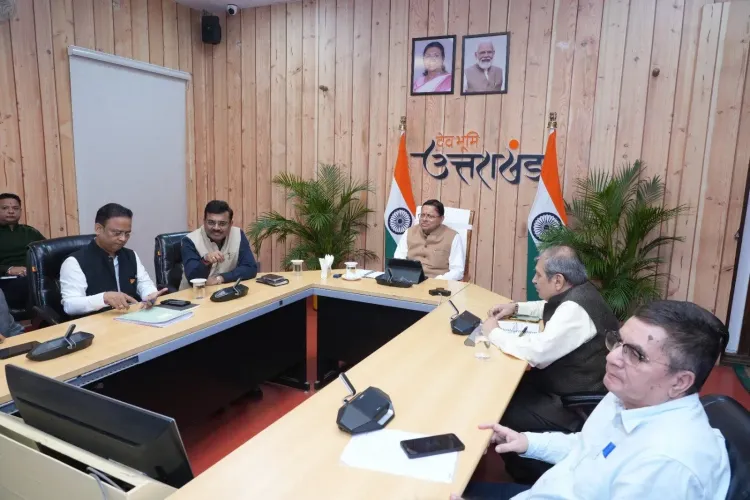
A mountain state's power utilities are sitting on a ₹539.61 crore unpaid bill — owed not by households, but by Uttarakhand's own government departments. Chief Minister Pushkar Singh Dhami chaired a high-level review of Uttarakhand Power Corporation Limited (UPCL) and the Power Transmission Corporation of Uttarakhand Limited (PTCUL) on Thursday, 29 October 2026, laying bare the financial stress running through the state's electricity sector.
₹539 Crore Dues from Government Offices — and a Deadline
The single most striking number from the meeting: as of 30 September 2026, various state government departments collectively owe approximately ₹539.61 crore in unpaid electricity bills to UPCL. CM Dhami did not let the figure pass without consequence. He directed officials to prepare an effective action plan to clear these inter-departmental dues on a time-bound basis — a direct instruction that puts state departments on notice.
Managing Directors of both corporations briefed the Chief Minister on the current financial health of each utility, laying out pending liabilities and the broader challenges threatening cash flow. The review covered progress on development works, availability of capital funds, and the EPC (Engineering, Procurement and Construction) contracts being executed by PTCUL for which payment remains pending.
₹166 Crore Released — and Prepaid Meters Pushed to the Front
To accelerate stalled works and speed up pending payments, CM Dhami ordered the release of approximately ₹166 crore — the remaining tranche of funds already approved under the supplementary budget — to PTCUL immediately. The directive is meant to unclog project timelines and contractor payment pipelines that have backed up.
Separately, the meeting took up the Central government's Revamped Distribution Sector Scheme (RDSS), launched in 2021 to shore up state discom finances and drive smart metering across India. Under RDSS Phase-1, the first mandate is converting smart meters installed in government offices and buildings to prepaid mode. Dhami instructed officials to prioritise budget allocation for this conversion, and to ensure training and other arrangements are in place — following a proposal already tabled by PTCUL.
Prepaid metering for government buildings is a structural fix, not just a technological upgrade. When government offices pay in advance, utilities eliminate the receivables cycle that has historically kept discoms cash-starved.
The Unresolved UP Legacy and a Winter Supply Warning
The meeting also surfaced a decades-old financial loose end: the division of assets and liabilities between Uttarakhand and Uttar Pradesh following the hill state's formation in 2000. Under the Transfer Scheme that governed that split, dues between the two states' power corporations remain partially unresolved — and Dhami directed that pending action on these inter-state claims be taken up with urgency.
With winter approaching and electricity demand expected to rise sharply, the review addressed financial provisioning to guarantee uninterrupted power supply during the cold months. The Chief Minister Solar Self-Employment Scheme (Mukhyamantri Saur Swarojgar Yojana) also came up — specifically, payments linked to works affected by natural disasters, a recurring vulnerability in Uttarakhand's terrain.
Senior officials at the meeting included Chief Secretary Anand Bardhan, Principal Secretary R K Sudhanshu, and Principal Secretary Meenakshi Sundaram.
What Dhami's Directives Signal
The breadth of Thursday's review — covering inter-departmental dues, central scheme compliance, smart metering, legacy UP liabilities, capital fund release, and winter supply — points to a utilities sector that is functional but financially strained. Dhami's instructions to strengthen the financial position of both corporations and deploy available resources effectively suggest the state is moving from diagnosis to enforcement. The next test is whether the ₹539.61 crore dues action plan translates into actual clearances — or remains a recurring agenda item at the next review.
Point of View
The largest debtor, and the reform mandator. By publicly disclosing the ₹539.61 crore inter-departmental dues figure and issuing time-bound clearance directives, CM Dhami is applying political pressure on his own bureaucracy — a governance lever that signals the state is serious about RDSS compliance, which requires improving discom financials as a precondition for Central scheme disbursals. The prepaid metering push for government buildings is strategically smart: it eliminates the government-as-defaulter problem at its source, rather than chasing arrears after the fact. The unresolved UP Transfer Scheme liabilities, now two-and-a-half decades old, remain a quiet drag on both states' utility balance sheets, and any progress there would be a meaningful structural win.
NationPress
29 Oct 2026
Frequently Asked Questions
How much do Uttarakhand government departments owe in electricity bills?
As of 30 September 2026 , various Uttarakhand state government departments owe approximately ₹539.61 crore in unpaid electricity dues to UPCL, according to information shared at the 29 October review meeting chaired by CM Dhami.
What is the RDSS scheme and how does it relate to Uttarakhand?
The Revamped Distribution Sector Scheme (RDSS) is a Central government programme launched in 2021 to strengthen state electricity distribution company finances and roll out smart meters. Under its Phase-1, Uttarakhand is prioritising converting smart meters in government buildings to prepaid mode to improve utility cash flows.
What is UPCL and PTCUL?
UPCL (Uttarakhand Power Corporation Limited) is the state-owned electricity distribution company responsible for power supply to consumers across Uttarakhand. PTCUL (Power Transmission Corporation of Uttarakhand Limited) manages the state's high-voltage transmission infrastructure.
Why are Uttarakhand and Uttar Pradesh still settling power dues?
When Uttarakhand was carved out of Uttar Pradesh in 2000 , a Transfer Scheme was established to divide power sector assets and liabilities between the two states. Some dues and asset claims under this scheme remain unresolved more than two decades later, and CM Dhami directed fresh action on these pending items at the 29 October meeting.
What is the Mukhyamantri Saur Swarojgar Yojana mentioned in the review?
The Mukhyamantri Saur Swarojgar Yojana (Chief Minister Solar Self-Employment Scheme) is a state scheme promoting solar energy entrepreneurship. The review flagged pending payments specifically for works under this scheme that were disrupted or damaged by natural disasters in Uttarakhand.