India supplies 654 MW to flood-hit Nepal through December to avert power crisis
Synopsis
Nepal went from electricity exporter to emergency importer in a single morning — the 26 August flash floods that ravaged the Trishuli and Bhotekoshi rivers wiped out hydropower plants built partly with Indian aid decades ago. India has now approved 654 MW in daily supply through December, reversing the flow on the very lines Nepal once used to sell power to India. It is infrastructure history running backwards under crisis conditions.
Key Takeaways
India's Ministry of Power approved 654 MW of emergency electricity supply to Nepal from 13 September to 31 December 2024 , for 18 hours a day .
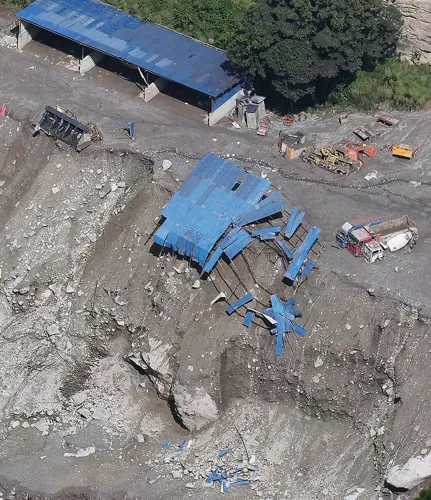
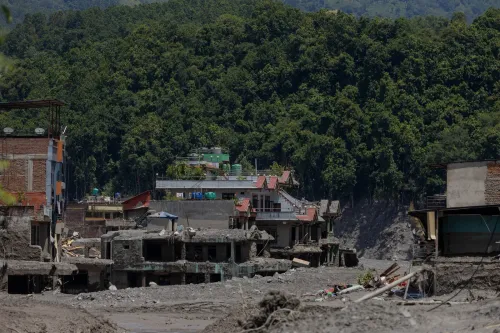
26 August flash floods along the Lhende Khola , Bhotekoshi , and Trishuli rivers severely damaged Nepal's hydropower infrastructure.
Nepal's government assessed energy-sector physical damage at Rs 134.69 billion (Nepalese rupee); hundreds of hydropower workers remain missing.
The affected Devighat and Trishuli stations were originally built with Indian grant assistance under a 1958 agreement.
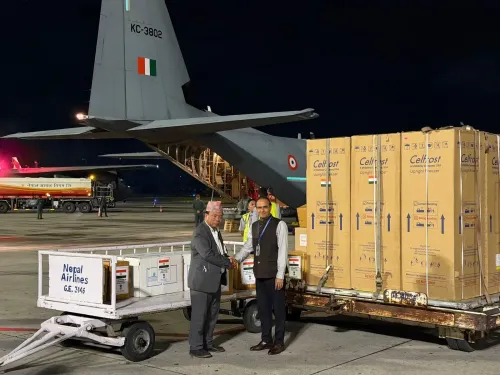
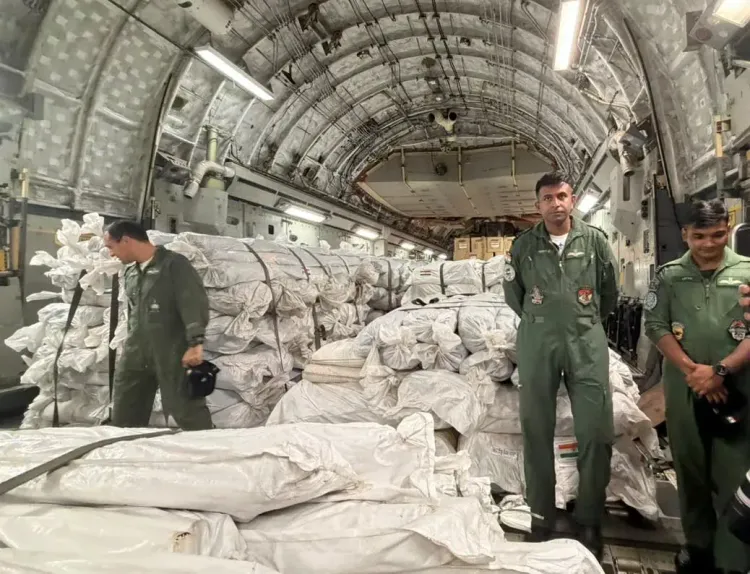
India dispatched the first IAF relief flight from Hindon on the evening of 26 August , carrying around 10 tonnes of emergency supplies.
Nepal had entered the Indian Energy Exchange as a power seller in November 2021 ; the crisis has reversed that flow temporarily.
India's Ministry of Power has approved the export of up to 654 megawatts of electricity to the Nepal Electricity Authority from 13 September through 31 December, supplying power for 18 hours a day — from midnight to six in the evening — to help Nepal manage an acute energy crisis triggered by devastating flash floods on 26 August. The floods, which tore through the Lhende Khola, the Bhotekoshi, and the Trishuli rivers, severely damaged multiple hydropower plants, turning a net electricity exporter into a nation dependent on emergency imports, according to a new report.
Scale of the Flood Damage
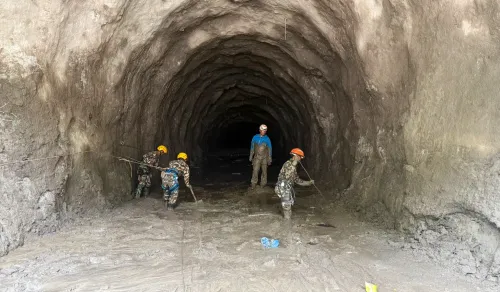
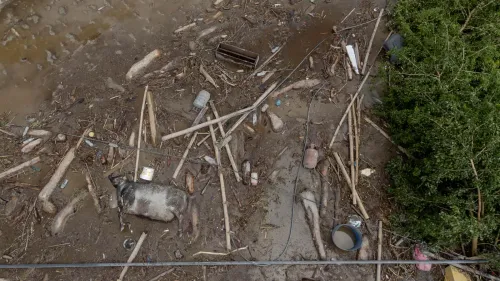
The 26 August flash floods inflicted what Nepal's government has assessed as Rs 134.69 billion (Nepalese rupee) in physical damage to the energy sector alone, with the cost of restoring generation capacity and the national grid estimated to be considerably higher. Hundreds of hydropower workers remain among the missing. Facilities that were expected to underwrite Nepal's electricity export earnings were, within hours, overwhelmed by torrents of ice, rock, and water.
Among the worst-hit infrastructure were Devighat and the original Trishuli power station — plants with a particular historical resonance. Trishuli was constructed under a 1958 bilateral agreement and commissioned in the late 1960s; Devighat followed as its cascade project in the mid-1980s. Both were built with Indian grant assistance, alongside smaller projects such as Phewa and the Kataiya house on the Koshi canal.
India's Emergency Power Approval
Nepal's request to India was an operational emergency, and New Delhi responded ahead of the usual October window that historically governs winter power imports. The approval came even as India's own September electricity demand was running unusually high — peak load near 269 GW — with non-solar hours already stretched, and with El Niño conditions and an uneven monsoon constraining domestic hydro and wind generation, according to the report.
The 654 MW supply is intended to keep critical infrastructure operational in Nepal: hospitals, cold storage facilities, water pumps, and the evening peak-demand period. Officials indicated the arrangement runs through the end of December, covering the bulk of the Himalayan winter.
A Relationship Written in Watts
The electricity now flowing from India to Nepal travels over the same family of transmission lines that once carried power in the opposite direction. When Nepal first entered the Indian Energy Exchange as a seller in November 2021, the first export blocks approved were 39 MW drawn from the very same Devighat and Trishuli stations — power that had originally arrived as Indian aid and, decades later, re-emerged as a traded commodity. The current crisis has reversed that flow again, underlining the interdependence that infrastructure built across generations has created.
Broader Indian Relief Response
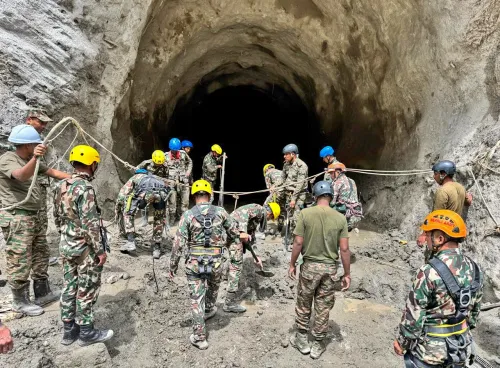
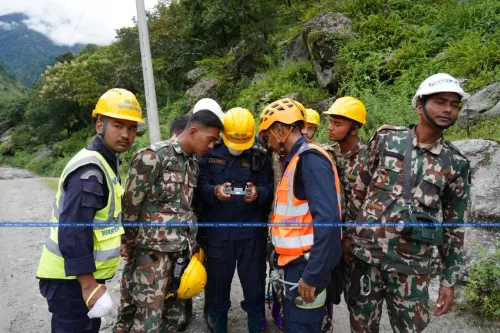
The power supply was not India's only intervention. The first Indian Air Force flight departed from Hindon on the evening of 26 August itself, following a call between the two prime ministers, carrying approximately ten tonnes of emergency supplies including shelters, blankets, hygiene kits, lamps, and medicines. Subsequent sorties delivered tens of tonnes more, accompanied by tunnel-rescue specialists working alongside the Nepali Army at blocked hydropower sites, forensic identification teams, and equipment for modular and Bailey bridges where roads had been destroyed.
This comes amid a pattern that observers note has become a defining feature of India-Nepal crisis response. After the 2015 Gorkha earthquake, India launched Operation Maitri within hours, deploying NDRF teams, aircraft, field hospitals, and later a reconstruction pledge covering houses in Gorkha and Nuwakot, schools, and heritage sites. After the Jajarkot earthquake in 2023 and the September 2024 rains, the response was smaller in scale but followed the same pattern. As the report notes: 'Material on the ground before the condolence statements had cooled.'
The report is careful to acknowledge that other countries also contributed assistance, adding: 'Gratitude is not a scarce resource and should not be monopolised. But the first response is a habit, and habits show.' The restoration of Nepal's own generation capacity remains a longer-term challenge, and how quickly the country can rebuild its damaged hydropower infrastructure will determine when it can return to its role as a regional electricity exporter.
Point of View
But the harder question is whether Nepal's reconstruction will be fast enough to restore export capacity before the next monsoon season tests the same infrastructure again. The pattern of first-responder behaviour — from Operation Maitri in 2015 to Jajarkot in 2023 — is consistent, but consistency in crisis response is not a substitute for the long-term grid resilience planning that both countries need.
NationPress
16 Sept 2026
Frequently Asked Questions
How much electricity is India supplying to Nepal and for how long?
India's Ministry of Power has approved the export of up to 654 megawatts to the Nepal Electricity Authority from 13 September through 31 December 2024, available for 18 hours a day — from midnight to six in the evening. The supply is designed to keep hospitals, cold stores, water pumps, and evening peak demand operational through the Himalayan winter.
What caused Nepal's power crisis in 2024?
Flash floods on 26 August 2024 tore through the Lhende Khola, Bhotekoshi, and Trishuli rivers, severely damaging multiple hydropower plants and isolating others. Nepal's government estimated energy-sector physical damage at Rs 134.69 billion (Nepalese rupee), with grid restoration costs expected to be far higher. Hundreds of hydropower workers remain missing.
Why is the Trishuli power station historically significant in India-Nepal relations?
The Trishuli power station was built with Indian grant assistance under a 1958 bilateral agreement and commissioned in the late 1960s, with Devighat added as its cascade project in the mid-1980s. When Nepal first sold electricity on the Indian Energy Exchange in November 2021, the first approved export blocks came from these same two stations — power that had originally arrived as Indian aid and re-emerged decades later as a traded commodity.
What other relief did India provide to Nepal after the August 2024 floods?
The first Indian Air Force flight left Hindon on the evening of 26 August itself, following a call between the two prime ministers, carrying approximately ten tonnes of shelters, blankets, hygiene kits, lamps, and medicines. Further sorties followed with tens of tonnes more, along with tunnel-rescue specialists, forensic identification teams, and equipment for modular and Bailey bridges at sites where roads had been destroyed.
When does Nepal normally import winter power from India?
The usual window for Nepal's winter power imports from India begins in October. The 2024 approval was granted ahead of schedule — from 13 September — because the scale of hydropower damage from the August floods created an immediate operational emergency that could not wait for the standard seasonal arrangement.