Nepal floods: 934 out of contact across 11 hydropower projects in Rasuwa, Nuwakot
Synopsis
The Bhote Koshi River surge on 26 August has left 934 workers and personnel across 11 hydropower projects in Nepal unreachable — including 576 from the IFC-backed Upper Trishuli-1 alone. With 626 bodies recovered and 2,426 people still out of contact nationally, Nepal's energy sector is staring at its worst flood-triggered crisis in recent memory.
Key Takeaways
934 people linked to 11 hydropower projects in Rasuwa and Nuwakot remain out of contact after 26 August Bhote Koshi floods.
The 216-MW Upper Trishuli-1 project alone accounts for 576 of the missing, the highest among all affected sites.
A total of 13 hydropower projects with combined capacity of 675.6 MW were affected, according to IPPAN .
Nepal's NDRRMA confirmed 626 bodies recovered and 2,426 people out of contact nationally as of Saturday morning.
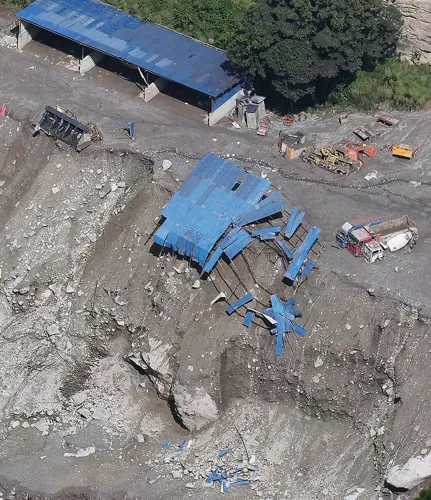
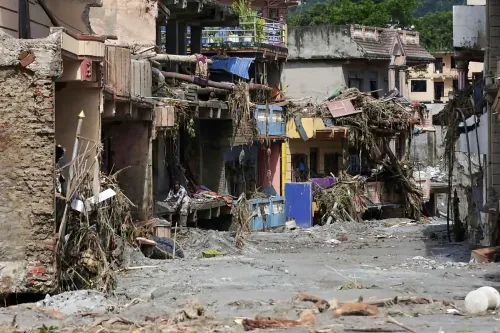
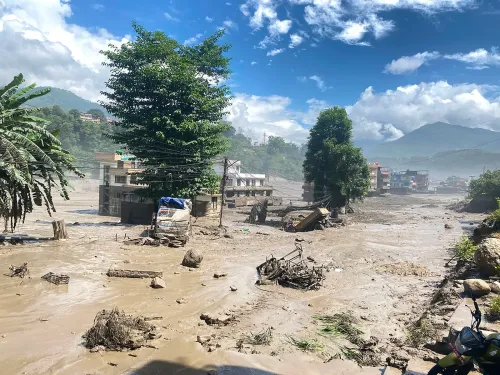
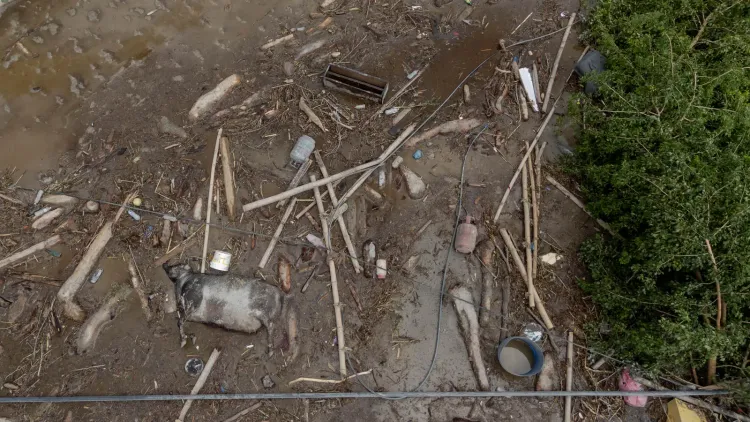
Roads, bridges, and infrastructure in both districts have sustained extensive damage, hampering rescue operations.
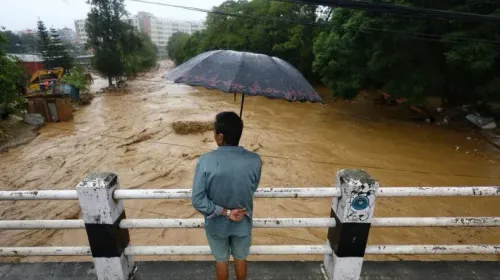
At least 934 people linked to 11 hydropower projects across Nepal's flood-hit Rasuwa and Nuwakot districts remain uncontactable following devastating flash floods triggered by a sudden surge in the Bhote Koshi River on 26 August. The Independent Power Producers' Association, Nepal (IPPAN) disclosed the figures, underscoring the scale of human and infrastructural loss inflicted on the country's power sector.
Project-wise breakdown of missing persons
The 216-MW Upper Trishuli-1 Hydropower Project in Rasuwa — currently under construction — accounts for the largest share, with 576 people out of contact. The project is being developed by Nepal Water and Energy Development Company (NWEDC), backed by South Korean investors, the International Finance Corporation (IFC) of the World Bank Group, and local partners.
In Nuwakot, 158 people linked to the 37-MW Upper Trishuli-3B Hydropower Project remain unreachable, while the 111-MW Rasuwagadhi Hydropower Project has reported 93 people out of contact — the third-highest figure among affected sites. The remaining 107 people are distributed across eight other projects, a mix of operational and under-construction facilities.
According to IPPAN, 730 people are linked to six projects in Rasuwa, and 204 people to five projects in Nuwakot.
Wider disaster toll
The floods have exacted a far broader human cost beyond the energy sector. The National Disaster Risk Reduction and Management Authority (NDRRMA) reported that 626 bodies had been recovered as of Saturday at 10 am, with as many as 2,426 people still out of contact across all affected areas. Roads, bridges, and critical infrastructure in both districts have sustained extensive damage.
Impact on Nepal's power sector
According to IPPAN, the 26 August floods affected 13 hydropower projects in Rasuwa and Nuwakot with a combined installed capacity of 675.6 MW. The damage strikes at a sector Nepal has been developing aggressively to meet domestic demand and pursue electricity exports. Notably, several of the worst-hit projects involve foreign investment and multilateral financing, raising questions about construction-phase safety protocols in high-risk river corridors.
Search and rescue outlook
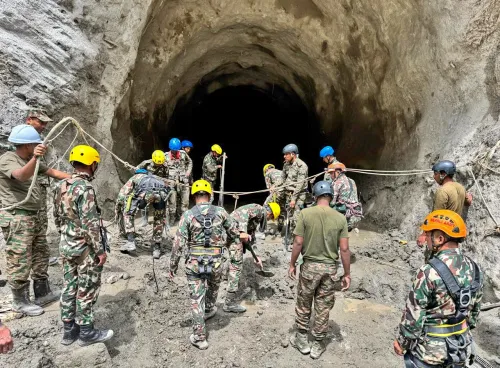
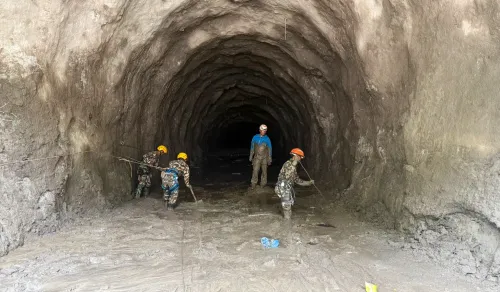
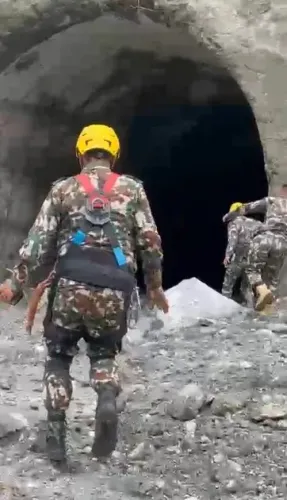
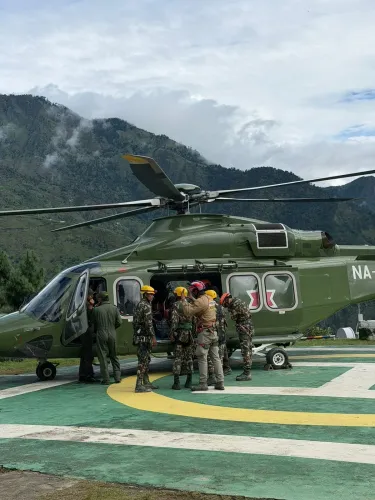
Rescue operations are ongoing, though the remote and mountainous terrain of Rasuwa and Nuwakot — both bordering Tibet — has complicated access for emergency teams. The full extent of casualties and infrastructure loss is expected to become clearer as contact is restored and teams reach isolated project sites. Authorities have not yet issued a timeline for when all affected zones will be accessible.
Point of View
But this disaster may force a reckoning with risk disclosure and emergency response frameworks before the next construction contract is signed.
NationPress
13 Oct 2026
Frequently Asked Questions
How many people are missing after the Nepal floods near hydropower projects?
According to IPPAN, 934 people linked to 11 hydropower projects in Rasuwa and Nuwakot districts remain out of contact following the Bhote Koshi River floods on 26 August. Separately, Nepal's NDRRMA reports 2,426 people out of contact across all flood-affected areas.
Which hydropower project has the most people out of contact?
The 216-MW Upper Trishuli-1 Hydropower Project in Rasuwa has reported the highest number, with 576 people uncontactable. The project is backed by South Korean investors, the IFC of the World Bank Group, and local partners.
What is IPPAN and what has it reported?
IPPAN is the Independent Power Producers' Association, Nepal, the body representing private power producers in the country. It reported that 13 hydropower projects with a combined capacity of 675.6 MW were affected by the 26 August floods.
How many people have died in the Nepal floods overall?
The National Disaster Risk Reduction and Management Authority (NDRRMA) confirmed that 626 bodies had been recovered as of Saturday at 10 am, with 2,426 people still out of contact across all flood-affected areas.
Why are rescue operations difficult in Rasuwa and Nuwakot?
Both districts are remote and mountainous, bordering Tibet, which has severely hampered access for emergency and rescue teams. Roads and bridges have also sustained extensive damage in the floods, further complicating relief efforts.