Nepal hydropower tunnel rescue: 897 workers missing, Indian teams search Rasuwa
Synopsis
Catastrophic floods on Nepal's Bhote Koshi River have left 897 workers trapped or missing across 11 hydropower projects in Rasuwa and Nuwakot. Indian and Chinese tunnel rescue teams are on the ground, but recurring flood surges halted operations at the Chilime project on Sunday — underscoring how volatile conditions are making one of Nepal's most complex disaster responses even harder.
Key Takeaways
897 workers across 11 hydropower projects in Rasuwa and Nuwakot districts remain out of contact following Bhote Koshi River floods.
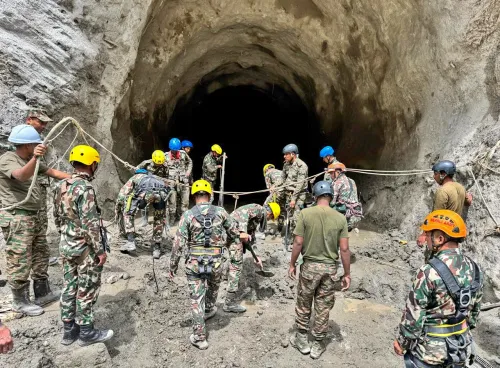
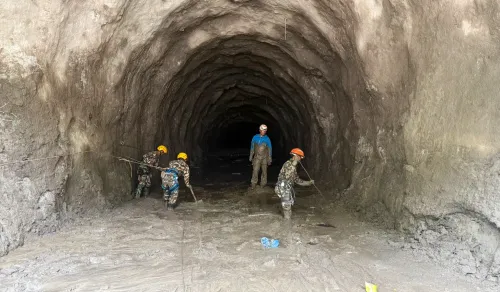
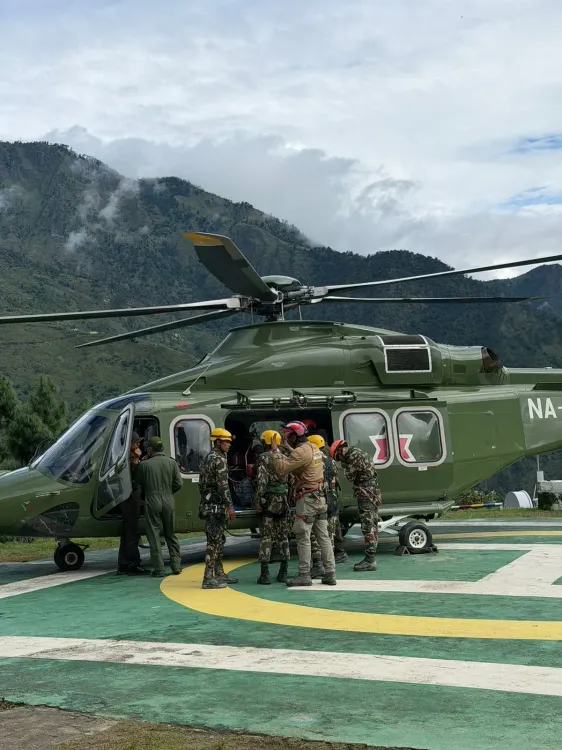
An Indian tunnel rescue team is conducting search operations at Chilime and Langtang sites in coordination with the Nepali Army .
Seven Indian and 15 Chinese nationals trapped in hydropower projects were rescued on Sunday , per NDRRMA .
Rescue efforts at the Chilime Hydropower Project (22MW) were temporarily suspended after a fresh flood swept away surviving structures at the dam site.
Nepali Prime Minister Balendra Shah confirmed the Indian team brought pumps and excavators to both Chilime and Langtang sites.
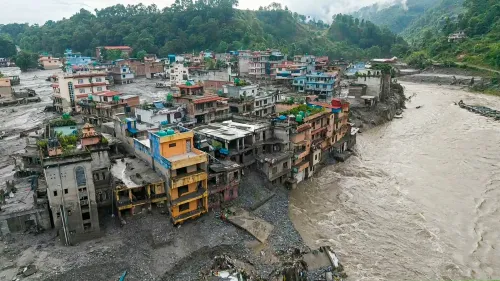
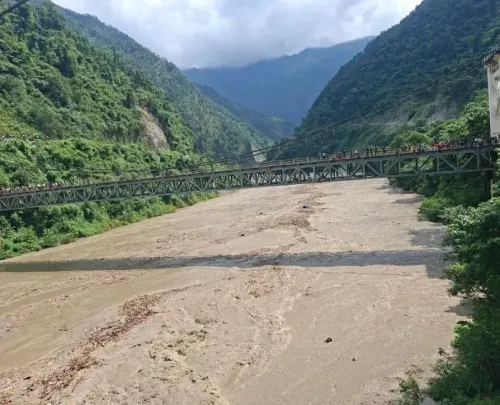
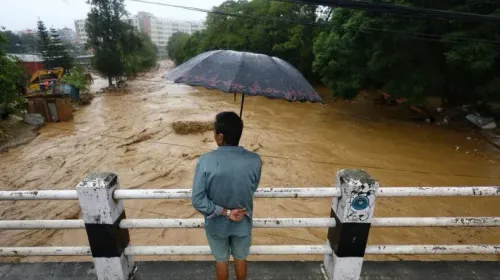
An Indian tunnel rescue team is pressing ahead with search and rescue operations inside hydropower project tunnels across Nepal's Rasuwa and Nuwakot districts, following catastrophic floods along the Bhote Koshi River last week, the Indian Embassy in Kathmandu confirmed on Monday, 31 August. The disaster has left 897 workers employed at 11 hydropower projects out of contact, according to the Independent Power Producers' Association, Nepal (IPPAN).
Scale of the Crisis
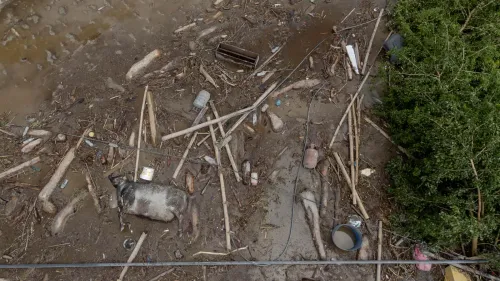
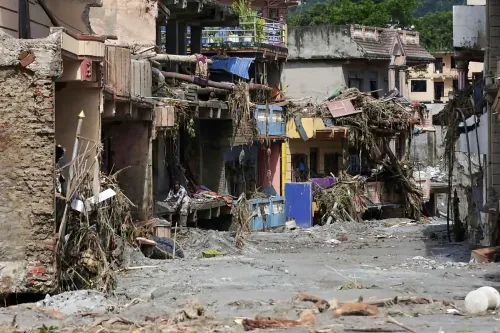
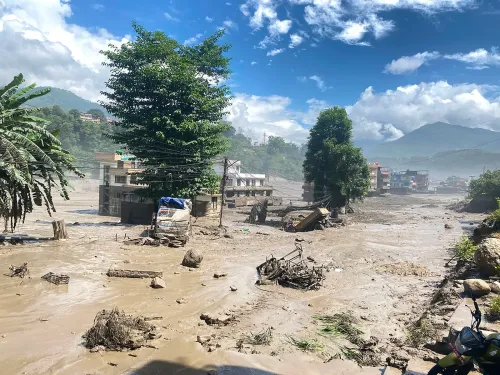
The floods, which struck the Bhote Koshi River corridor last week, disrupted operations at multiple hydropower sites across the mountainous districts of Rasuwa and Nuwakot. IPPAN, the representative body of private-sector power developers in Nepal, confirmed that all 897 workers across 11 projects in the two flood-hit districts remain unaccounted for. The scale of the displacement underscores the vulnerability of Nepal's hydropower infrastructure — much of it built inside deep mountain tunnels — to seasonal flash flooding.
Indian and Chinese Teams on the Ground
At the request of the Nepali government, tunnel technicians from both India and China were deployed to assist local authorities. According to Nepal's National Disaster Risk Reduction and Management Authority (NDRRMA), seven Indian and 15 Chinese nationals who had been trapped inside hydropower projects were rescued on Sunday. The Indian team conducted an initial aerial reconnaissance of the Chilime and Langtang areas by helicopter before moving equipment — including pumps and excavators — to the affected sites.
Operations at Chilime and Langtang
The Indian Embassy said the rescue team worked alongside the Nepali Army at tunnel sites in the Chilime and Langtang areas on Monday, with operations set to continue in close coordination. However, rescue efforts at the Chilime Hydropower Project (22MW) in Rasuwa were temporarily halted on Sunday after a fresh flood swept away structures that had survived the earlier inundation in the dam area, according to IPPAN. This compounded an already complex operation, where recurring flood surges are hampering access to tunnel entrances.
At the Langtang Khola Hydropower Project in Rasuwa, the Nepal Army conducted search-and-rescue patrols. Nepali Prime Minister Balendra Shah, in a Facebook post late Sunday evening, confirmed that the Indian team had carried out reconnaissance at both sites in coordination with the Nepal Army and had begun additional recovery work after bringing in heavy equipment.
What Comes Next
The Secretariat of Nepal's Ministry of Energy, Water Resources and Irrigation indicated that further rescue operations will be undertaken as the situation on the ground permits. The recurring flood surges present the most immediate operational obstacle, with teams unable to sustain continuous access to tunnel sites. The full extent of worker casualties and infrastructure damage across the 11 affected hydropower projects remains unclear as operations continue.
Point of View
Yet emergency evacuation protocols appear to have been inadequate. With 897 workers unaccounted for across 11 sites, the human cost is severe — and the involvement of Indian and Chinese nationals raises bilateral stakes for both New Delhi and Beijing. The recurring flood surges halting rescue at Chilime are a reminder that climate-linked cascading disasters are outpacing the contingency planning of South Asia's fast-expanding hydropower sector.
NationPress
15 Oct 2026
Frequently Asked Questions
How many workers are missing in the Nepal hydropower flood disaster?
According to IPPAN, 897 workers employed at 11 hydropower projects in Nepal's Rasuwa and Nuwakot districts have been out of contact following devastating floods along the Bhote Koshi River. The full extent of casualties remains unclear as rescue operations continue.
What is India's role in the Nepal hydropower rescue operation?
At Nepal's request, an Indian tunnel rescue team arrived in the country and has been conducting search and rescue operations at hydropower tunnel sites in the Chilime and Langtang areas, working in close coordination with the Nepali Army. The team deployed pumps and excavators and conducted aerial reconnaissance by helicopter.
Were any trapped workers rescued on Sunday?
Yes. Nepal's NDRRMA confirmed that seven Indian and 15 Chinese nationals trapped inside hydropower projects were rescued on Sunday. Rescue operations are ongoing across multiple sites.
Why were rescue operations at the Chilime project halted?
A fresh flood surge on Sunday swept away structures at the Chilime Hydropower Project dam area that had survived the initial flooding, forcing rescue teams to suspend operations temporarily. Recurring flood surges remain the primary operational obstacle across affected sites.
Which districts in Nepal are worst affected by the hydropower floods?
The districts of Rasuwa and Nuwakot in northern Nepal are the worst affected, with 11 hydropower projects across both districts reporting workers out of contact. The Chilime and Langtang areas within Rasuwa are the primary focus of ongoing rescue operations.