Nepal floods and landslides kill 27 since Sep 24, 1,065 families affected
Synopsis
Twenty-seven people have died in Nepal in less than a week as floods, landslides, and lightning strike across the country — and the damage runs deeper than the death toll. Over 1,000 MW of power has been knocked offline, a key highway corridor remains cut off, and Nepal is now scrambling to import 1,155 MW of electricity from India just to keep the lights on this winter.
Key Takeaways
27 people killed and 7 injured across Nepal in floods, landslides, and related disasters from 24–29 September 2026 .
4 people missing ; 1,065 families affected across 513 monsoon-related incidents .
225 houses fully destroyed, 137 partially damaged; 114 livestock and 27 cattle sheds also affected.
1,013.2 MW of electricity supply disrupted across the Kaligandaki, Marsyangdi, and Seti-Madi corridors.
Kaligandaki Corridor in western Nepal remains blocked; repairs could take more than three days .
Nepal's NEA plans to import 1,155 MW from India this winter to offset a projected 70% drop in domestic hydropower output.
At least 27 people have been killed and seven injured across Nepal in a series of natural disasters — including floods, landslides, inundation, strong winds, and lightning — triggered by incessant rainfall between 24 September and Monday evening, 29 September 2026, according to Nepal's Prime Minister's Office. Four others remain missing, and 1,065 families have been affected across 513 monsoon-related incidents, the government said, citing the latest official figures.
Scale of Destruction
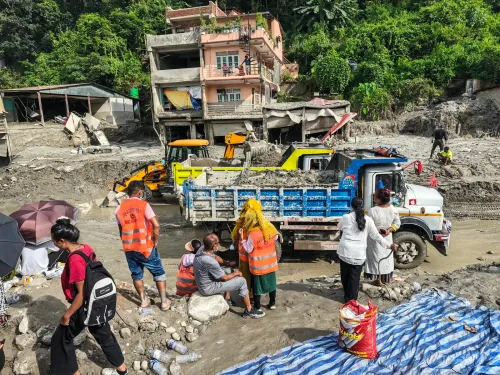
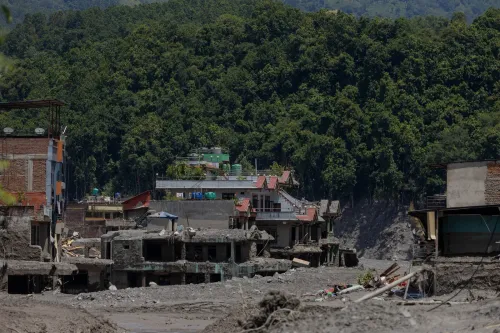
The disasters have completely destroyed 225 houses and partially damaged 137 others. 27 cattle sheds and 114 livestock were also affected, underscoring the toll on rural livelihoods. Floods and landslides damaged road links at 147 locations along highways and major roads nationwide; of these, 125 locations have already been repaired and reopened, according to government statistics.
Western Nepal Hit by Severe Disruptions
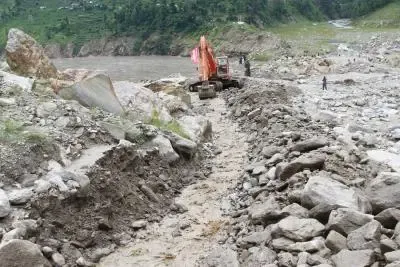
Traffic along the Kaligandaki Corridor in western Nepal remains severely disrupted due to landslides, road subsidence, and damage to bridge approaches in the districts of Beni-Jomsom, Palpa, Baglung, and Nawalparasi. Authorities estimate it could take more than three days to fully restore connectivity in the area.
Power Supply Hit Across Key River Corridors
Flood damage has disrupted 1,013.2 megawatts of electricity supply through Nepal's national transmission system, affecting the Kaligandaki, Marsyangdi, and Seti-Madi river corridors. About a dozen hydropower projects along the Bhotekoshi and Trishuli river corridors were also badly damaged in the catastrophic flooding of 26 August, which claimed more than 1,400 lives and left around 5,000 people missing, according to the National Disaster Risk Reduction and Management Authority.
Nepal to Import 1,155 MW from India This Winter
The Nepal Electricity Authority (NEA), the state-owned power utility, has announced plans to import more than 1,100 MW of electricity from India during the upcoming winter season, when domestic generation is expected to fall by around 70 percent as run-of-the-river hydropower projects produce less power. Domestic generation after January is projected at roughly 1,218 MW against an estimated demand of 2,293 MW. Dirghayu Kumar Shrestha, Managing Director of the NEA, said: 'That's why we have planned to import 1,155 MW of electricity from India during the upcoming dry season to manage the power supply.'
Government Response
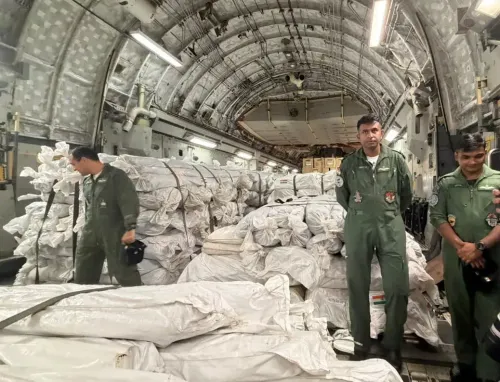
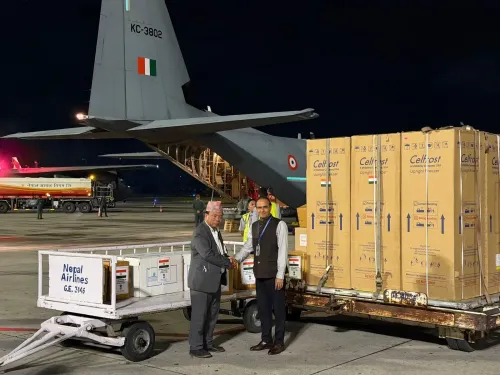
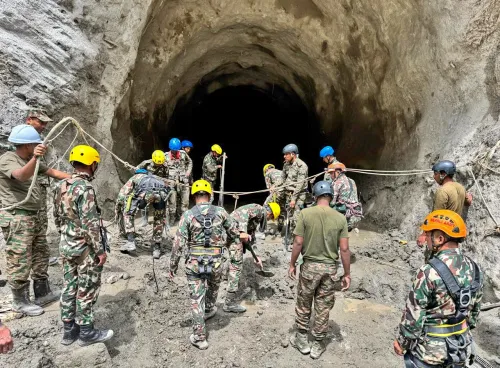
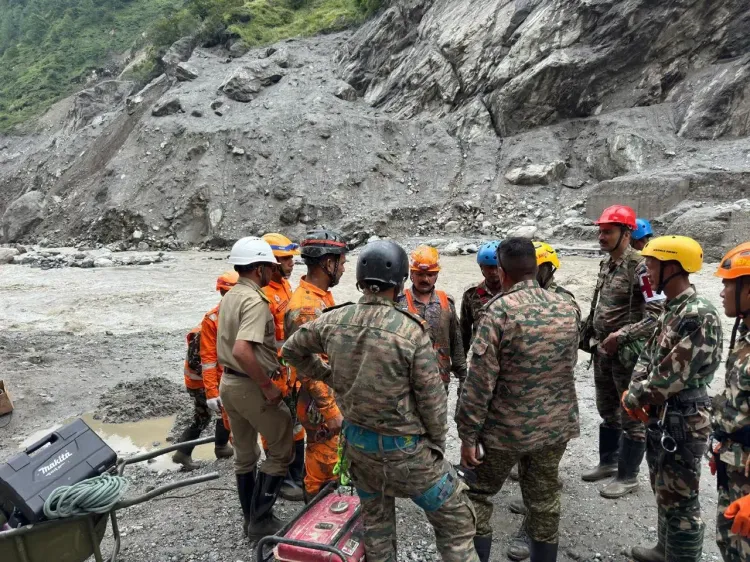
Nepal's government said it has intensified rescue, relief, and rehabilitation efforts, mobilising agencies to repair damaged infrastructure and restore normal life. This comes amid an already fragile recovery from the August flooding, which was among the deadliest single disaster events Nepal has recorded in recent years. The back-to-back crises are placing significant strain on the country's emergency management capacity heading into the post-monsoon and winter period.
Point of View
But the more consequential story is infrastructural: Nepal's hydropower backbone — the very foundation of its energy sovereignty — has taken two heavy blows in five weeks. The August flooding killed over 1,400 and crippled key projects along the Bhotekoshi and Trishuli; now a fresh monsoon surge has knocked out over 1,000 MW more. Importing 1,155 MW from India this winter is a pragmatic stopgap, but it exposes just how vulnerable Nepal's run-of-the-river model is to a single bad monsoon. With climate patterns shifting, the frequency of such events raises urgent questions about whether Nepal's disaster preparedness and grid resilience have kept pace with its hydropower ambitions.
NationPress
29 Sept 2026
Frequently Asked Questions
How many people have been killed in Nepal floods and landslides since 24 September 2026?
At least 27 people have been killed and 7 injured across Nepal in floods, landslides, and related disasters between 24 and 29 September 2026, according to Nepal's Prime Minister's Office. Four others remain missing, and 1,065 families have been affected.
Which areas of Nepal have been worst affected?
The Kaligandaki Corridor in western Nepal has been severely hit, with landslides and road subsidence disrupting traffic in Beni-Jomsom, Palpa, Baglung, and Nawalparasi districts. Power supply has also been disrupted across the Kaligandaki, Marsyangdi, and Seti-Madi river corridors.
How much electricity supply has been disrupted in Nepal?
Floods have disrupted 1,013.2 megawatts of electricity supply through Nepal's national transmission system. Additionally, about a dozen hydropower projects along the Bhotekoshi and Trishuli corridors were damaged in the August 26 floods, compounding the energy crisis.
Why is Nepal planning to import electricity from India?
Nepal's domestic hydropower generation is expected to fall by around 70 percent during the dry winter season, leaving a projected supply of 1,218 MW against demand of 2,293 MW. The Nepal Electricity Authority plans to import 1,155 MW from India to bridge the gap.
What is the government doing to respond to the disaster?
Nepal's government says it has intensified rescue, relief, and rehabilitation operations, with agencies mobilised to repair damaged infrastructure. Of 147 road locations affected by flooding and landslides, 125 have already been repaired and reopened.