Nepal's Parliamentary Elections: Citizens Demand Security and Governance
Synopsis
As parliamentary elections unfold in Nepal, voters are vocalizing their expectations for a government that prioritizes security and effective governance. Key issues include the welfare of citizens and inclusive policies, especially for marginalized groups.
Key Takeaways
Security is a top priority for voters.
Effective governance is essential for national development.
Inclusive policies are vital for supporting marginalized communities.
Voter participation is crucial for shaping the future of Nepal.
Election results will significantly impact the next five years.
Kathmandu, March 5 (NationPress) As the parliamentary elections commenced in Nepal on Thursday, voters expressed their aspirations for the new government, underlining the critical need for enhanced security and efficient governance. Numerous voters articulated that prioritizing safety and stability should be the foremost responsibility of the incoming administration, followed by initiatives aimed at elevating the quality of life for citizens.
In conversations with IANS, many voters stressed the significance of accountable leadership and inclusive policies for the nation's progression.
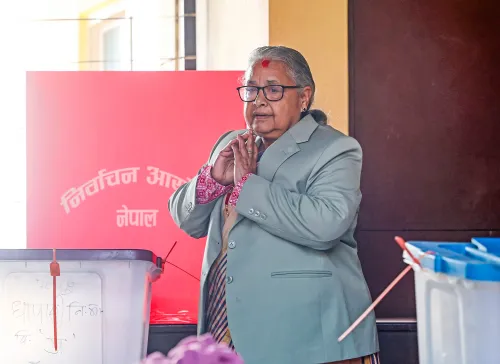
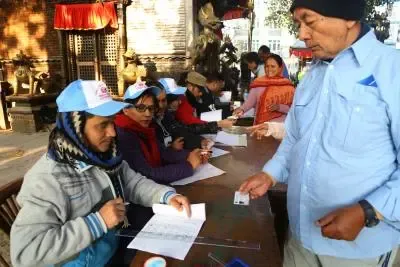
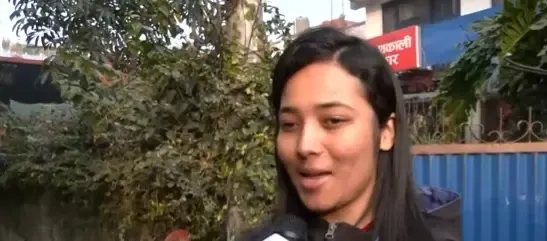
Sanjiya Shrestha, a voter from Sinamangal, noted that she was among the first to cast her vote during this electoral process.
“As a permanent resident of Sinamangal, I just finished voting and was the first to do so. My motivation to vote is clear — fulfilling my duties as a citizen of Nepal,” she remarked.
Shrestha pointed out that Nepal's future over the next five years hinges not only on the election outcomes but also on the civic responsibilities that citizens uphold. She emphasized the need for the government to prioritize the creation of inclusive policies, especially for those with disabilities.
“The nation should devise policies that assist individuals with disabilities like myself. Such initiatives will facilitate national development and enhance the living standards of the populace,” she added.
Hopeful for the new administration, Shrestha expressed her desire for the election results to foster policies that uplift vulnerable and marginalized groups.
“I wish for the elected officials to strive to improve the lives of those who are disadvantaged and voiceless. The government should play a pivotal role in addressing their challenges,” she commented.
Another voter in Kathmandu shared similar sentiments, asserting that national security and proper governance must take precedence.
“Establishing the country’s security and governance should be the top priority. Once security is guaranteed, all necessary measures for citizens should follow. The incoming Prime Minister must focus on the nation’s welfare and advancement,” said the voter.
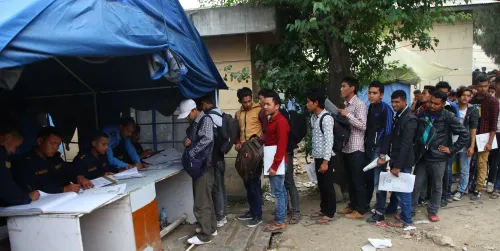
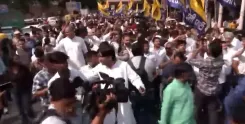
Meanwhile, the parliamentary elections kicked off at 7 a.m., with voters lining up at polling stations nationwide to cast their votes.
The elections aim to select 275 members for the lower house — 165 through the First-Past-the-Post (FPTP) system and 110 via the proportional representation system.
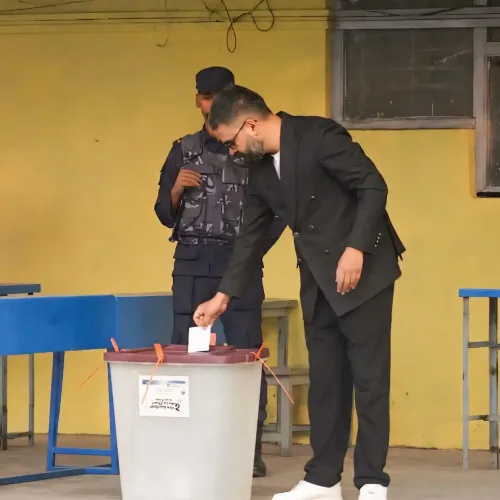
Prominent figures, including Rastriya Swatantra Party (RSP) President Rabi Lamichhane and senior leader Balen Shah, along with former Prime Minister Pushpa Kamal Dahal, cast their votes in their respective hometowns.
Lamichhane and Shah voted from Kathmandu, with Shah, a prime ministerial candidate from the RSP, contesting from Jhapa-5 in eastern Nepal against former Prime Minister K.P. Sharma Oli. However, he was unable to vote for himself as votes can only be cast in one's registered hometown.
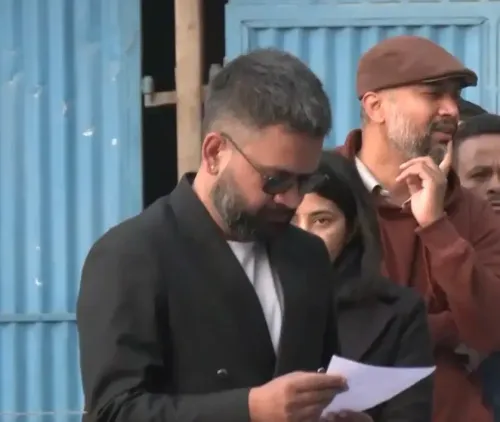
After voting, RSP President Lamichhane told the media that participating in the elections is essential for determining the leadership the people desire. "It is an opportunity to shape your future and that of your children," he remarked, addressing the electorate.
Point of View
It is evident that Nepalese voters are prioritizing security and governance in the parliamentary elections. Many express a strong desire for their new leaders to address the needs of marginalized communities and ensure a stable environment for all citizens. This reflects a collective aspiration for accountable leadership and inclusive policies.
NationPress
7 Oct 2026
Frequently Asked Questions
What are the main concerns of voters in Nepal's elections?
Voters are primarily concerned with security and effective governance, emphasizing the need for inclusive policies to support marginalized communities.
When did the parliamentary elections in Nepal start?
The parliamentary elections in Nepal commenced on March 5.
What voting systems are being used in the elections?
The elections will select 275 members: 165 through the First-Past-the-Post (FPTP) system and 110 via proportional representation.
Who are some notable candidates in the elections?
Notable candidates include Rabi Lamichhane, Balen Shah, and former Prime Minister Pushpa Kamal Dahal.
What is the role of voters in shaping the government?
Voters play a critical role in shaping the government by exercising their right to vote, which determines the leadership and policies that will affect the country's future.