Nepal Establishes Emergency Response Team Amid US-Iran Tensions
Synopsis
In response to rising tensions in West Asia due to the US-Iran conflict, Nepal has formed an Emergency Response Team dedicated to ensuring the safety of its nationals in the region. With significant numbers living abroad, the government's proactive measures are crucial for their well-being.
Key Takeaways
Emergency Response Team formed to ensure safety of Nepalis in West Asia.
Over 1.7 million Nepalis reside in the region.
Government prioritizes national safety amid rising regional tensions.
Secure online system established for real-time information gathering.
Regular situation reports mandated from diplomatic missions.
Kathmandu, March 3 (NationPress) In light of the escalating US-Iran conflict impacting West Asia, the Nepali government has established an Emergency Response Team focused on safeguarding the well-being of Nepali citizens in the region.
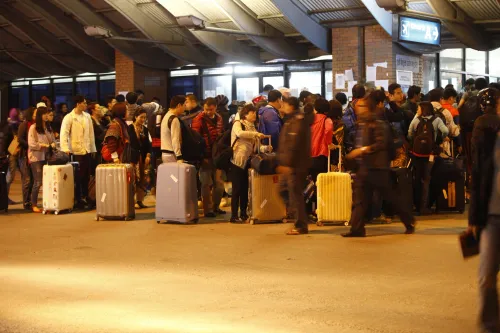
Currently, over 1.7 million Nepalis are living in 12 countries across West Asia, making their safety a critical concern for the government, as stated by the Ministry of Foreign Affairs.
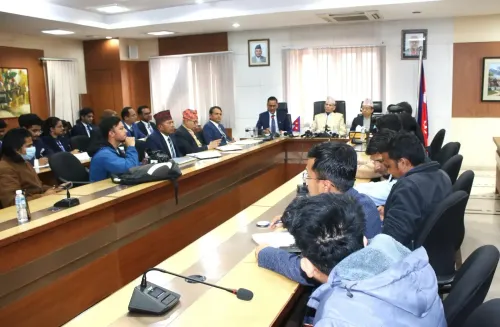
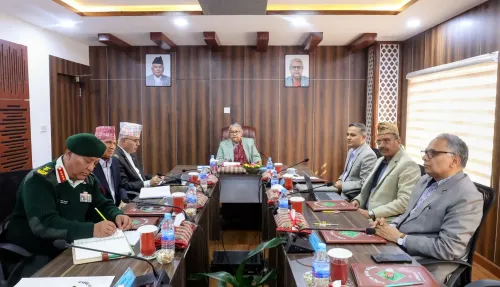
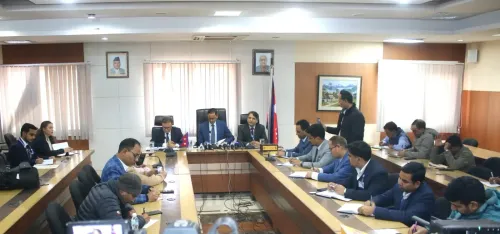
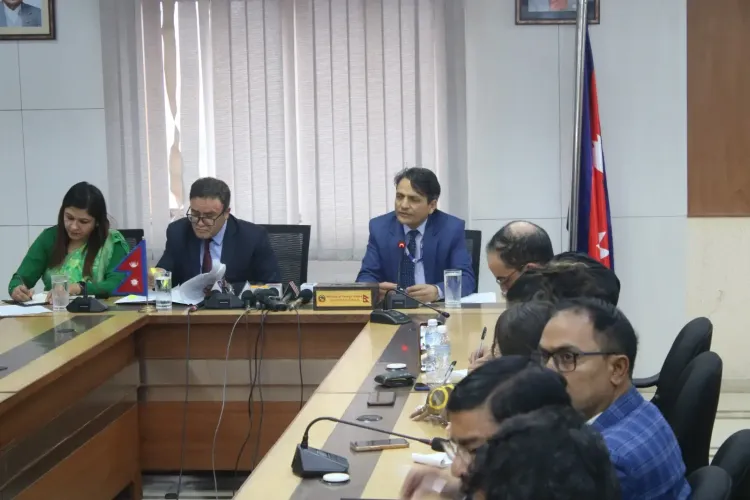
“An Emergency Response Team has been assembled under the guidance of the Foreign Secretary to effectively tackle safety issues concerning nearly 1.8 million Nepalis in the area,” announced Ram Kaji Khadka, a joint secretary at the ministry, during a press briefing.
This team includes representatives at the joint-secretary level from various government entities, such as the Office of the Prime Minister and Council of Ministers, the Ministries of Home Affairs, Finance, Law, Culture, Tourism, and Civil Aviation, and Education, as well as the Department of Foreign Employment and the Department of Consular Services. This collaborative approach aims to deliver prompt, coordinated, and effective responses to any safety challenges.
The significant presence of Nepalis in the conflict-ridden Middle East raises serious concerns about their safety and job security, as their remittances are vital to Nepal's economy.
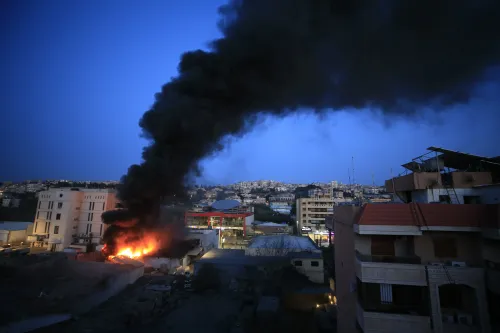
As Iran retaliates against joint attacks by the US and Israel, several civilian facilities in Gulf nations have come under threat, putting millions of Nepalis—predominantly migrant workers—at risk.
The government has confirmed the death of a Nepali youth, Diwas Shrestha, from the Gorkha district, who was killed during a drone interception operation at Zayed International Airport in Abu Dhabi, UAE.
Fortunately, the ministry reported that other Nepali nationals in the region remain unharmed. Furthermore, the Department of Consular Services has implemented a secure online system to gather real-time information about Nepali citizens in the affected areas. Nepali diplomatic missions have issued public advisories to facilitate this process.
The ministry’s system is designed to enable rapid rescue, counseling, and other necessary consular services.
Additionally, Khadka mentioned that the ministry has instructed Nepal’s ten diplomatic missions in West Asia—including embassies in Tel Aviv, Doha, Riyadh, Abu Dhabi, Manama, Kuwait, Muscat, and Cairo, along with consulates in Jeddah and Dubai—to provide regular “situation analysis reports.”
The ministry has called on Nepalis to minimize unnecessary risks and adhere to safety advisories issued by their respective governments, as well as official communications from Nepali missions in the region.
Point of View
The establishment of the Emergency Response Team underscores Nepal's commitment to safeguarding its citizens abroad. In an increasingly volatile global environment, the government's proactive stance aims to ensure the security and well-being of nearly 1.8 million Nepalis in West Asia, reflecting a strong nation-first approach.
NationPress
30 Sept 2026
Frequently Asked Questions
What is the purpose of the Emergency Response Team?
The Emergency Response Team has been formed to address safety concerns for Nepali nationals residing in West Asia amidst ongoing regional conflicts.
How many Nepalis live in West Asia?
Over 1.7 million Nepali nationals are currently living in 12 countries across West Asia.
What measures are being taken for Nepali safety?
The government has implemented a secure online system to gather information on Nepalis in affected areas and has tasked diplomatic missions with providing regular situation reports.
Have there been any casualties?
Yes, a Nepali youth named Diwas Shrestha was confirmed killed during a drone interception in Abu Dhabi, UAE.
What should Nepalis in the region do?
Nepalis are advised to minimize risks and follow safety advisories issued by their governments and Nepali missions.