How is Nepal Enhancing Safety for Foreign Nationals?

Synopsis
Nepal has introduced a revolutionary system aimed at enhancing the safety of foreign visitors. The Foreign Nationals Management Information System (FNMIS) aims to collect real-time data on foreign nationals and ensure they remain within the bounds of their visa regulations. This initiative not only enhances visitor safety but also strengthens the government’s ability to address any potential criminal activities.
Key Takeaways
FNMIS aims to enhance the safety of foreign nationals in Nepal.
All service providers for tourists must register in the system.
The system is being implemented in phases, starting with Kathmandu Valley.
It allows for real-time tracking and monitoring of foreign nationals.
Ensures compliance with visa regulations and improves emergency response.
Kathmandu, Jan 1 (NationPress) Nepal has launched the Foreign Nationals Management Information System (FNMIS) to bolster the safety of foreign visitors and mitigate potential criminal activities involving them.
Created by the Department of Immigration, the FNMIS serves as a comprehensive digital database that gathers real-time information about foreign nationals from their visa application to their departure from the stunning Himalayan nation.
All entities—including hotels, airlines, travel and trekking agencies, money exchange counters, and other service providers catering to foreign nationals—are mandated to register within the system to facilitate its effective rollout.
Although the department announced that the system would be compulsory for star-rated hotels in the Kathmandu Valley starting Thursday as part of the initial phase, many other service providers had also completed registration by Thursday afternoon. “By that time, 1,416 tourism service providers, including hotels, travel companies, and money exchangers, had enrolled in the system,” stated Tikaram Dhakal, a Director at the department, in an interview with IANS.
According to previously outlined plans by the immigration authority, the system will expand to cover all star-rated hotels nationwide, airlines, tour and travel companies, and money exchanges in the second phase, beginning March 1. Following this, it will gradually extend to various types of hotels, guest houses, and services provided by both public and private institutions.
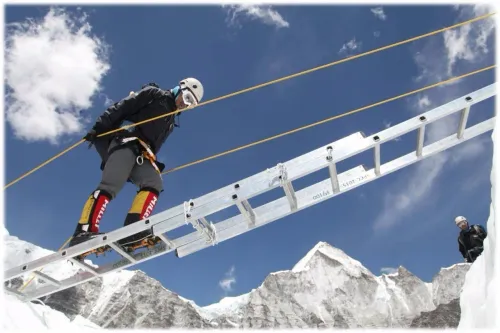
“One of the motivations for implementing this system is to track foreign nationals in Nepal, enabling the government to monitor possible criminal activities associated with them,” Dhakal explained. “Another objective is to ensure swift rescue operations for foreign tourists visiting remote, hard-to-reach areas of the Himalayan country during emergencies.”
He also noted that foreign nationals have been reported to engage in activities like cryptocurrency transactions and dating-app scams, often under the guise of registered tech companies, religious conversions, and teaching the Quran and the Bible outside their visa allowances.
The department emphasized that the primary goal of the system is to ensure that foreigners participate solely in activities allowed under their visa categories while enhancing visitor safety and emergency response capabilities.
Point of View
I believe the implementation of the FNMIS represents a significant advance in ensuring the safety of foreign visitors in Nepal. While it aims to control potential criminal activities, it also prioritizes the well-being of tourists, ensuring they can explore our beautiful country without fear. This system is a balanced approach to tourism management, reflecting our commitment to both security and hospitality.
NationPress
4 Oct 2026
Frequently Asked Questions
What is the purpose of the Foreign Nationals Management Information System?
The FNMIS aims to ensure the safety of foreign nationals in Nepal and to monitor their activities, preventing potential criminal activity.
Who is required to register in the FNMIS?
All service providers catering to foreign nationals, including hotels, airlines, travel companies, and money exchanges, must register in the FNMIS.
When will the system be fully implemented across Nepal?
The system will be fully implemented in phases, with a nationwide rollout across all star-rated hotels, airlines, and travel companies planned for March 1.
How does the FNMIS improve tourist safety?
The FNMIS allows real-time tracking of foreign nationals, enabling quick responses in emergencies and ensuring compliance with visa regulations.
What types of activities are monitored under the FNMIS?
The system ensures that foreign nationals engage only in activities permitted under their visa categories, helping to prevent unlawful activities.