Nepal's Government Takes Firm Action Against Fraudulent Mountain Rescue Operations
Synopsis
The Nepali government has rolled out measures to combat fraudulent mountain rescue operations amid serious allegations of insurance fraud. With a focus on transparency and accountability, these actions aim to restore trust in Nepal's tourism sector.
Key Takeaways
Immediate Measures: Implementation of a zero-tolerance policy against fraudulent practices.
Collaboration: Formation of a joint task force including various stakeholders for better oversight.
Structural Reforms: Introduction of a technology-driven Rescue Management System.
Accountability: Strict investigations and public disclosure of offenders.
Medical Protocols: Standardization for diagnosing altitude sickness to enhance safety.
Kathmandu, April 6 (NationPress) – The Nepali government has unveiled a comprehensive suite of both immediate and long-term strategies aimed at enhancing transparency, accountability, and governance within the nation’s mountain rescue operations. This announcement follows serious allegations suggesting that fraudulent rescue missions have been orchestrated to cash in on substantial insurance claims.
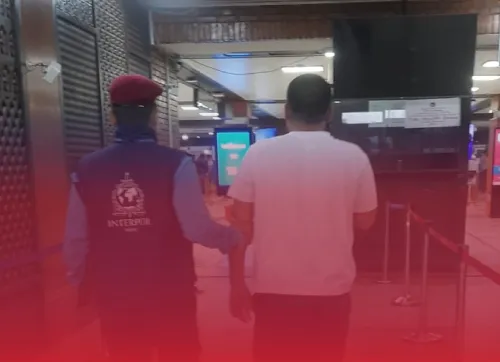
Recent media reports have raised concerns that certain trekkers may have been intentionally harmed through tainted food to instigate costly aerial evacuations, potentially forming part of a multi-million dollar insurance fraud ring. These revelations emerged after the government took legal action against 32 individuals linked to a fraudulent rescue operation in late March.
An investigation by Nepal Police has uncovered potential collusion involving three helicopter companies, three hospitals, numerous trekking agencies, insurance agents, and trekking guides working together to deceitfully obtain insurance payouts through fabricated rescue operations targeting international climbers and trekkers.
As this issue arises concurrently with the onset of the spring mountaineering season, the Ministry of Culture, Tourism and Civil Aviation has issued a statement enforcing a zero-tolerance policy against any fraudulent activities within the sector.
“Government authorities will conduct rigorous investigations, blacklist wrongdoers, and publicly name individuals and organizations implicated in misconduct,” the ministry stated.
Furthermore, the government plans to collaborate directly with global insurance firms to create reliable verification systems aimed at preventing the exploitation of rescue claims, thereby restoring international trust.
According to the ministry, a joint monitoring task force has already been activated to improve oversight and coordination. This task force comprises the ministry, the Civil Aviation Authority of Nepal (CAAN), Nepal Police, the Nepal Tourism Board (NTB), and various aviation stakeholders.
This task force will perform regular audits and ensure timely, accurate communication throughout the sector.
Additionally, the government is moving forward with broader structural reforms intended to enhance long-term governance. These reforms will introduce a technology-driven Rescue Management System that integrates trekker registration, rescue requests, and insurance verification processes.
Further reforms will concentrate on tightening licensing standards for trekking guides and agencies, along with enforcing mandatory ethical compliance measures.
“The government also aims to standardize medical protocols for diagnosing altitude sickness, strengthen local governance in trekking regions, and advocate for ethical tourism certification practices,” the ministry noted.
However, the ministry clarified that claims suggesting trekkers were intentionally harmed through contaminated food to instigate rescues have not been corroborated by investigations from the Central Investigation Bureau (CIB) of Nepal Police.
Earlier on Saturday, the CIB reported that no evidence was found to support allegations that guides in the Everest region deliberately made tourists ill by introducing harmful substances into their food to facilitate fraudulent rescue operations.
The fraudulent rescue operation was first revealed in 2018, and an investigative committee had proposed actions under organized crime and fraud statutes. However, progress on this probe was inadequate at that time. Only seven years later did the police formally initiate an extensive investigation into deceptive rescue flights targeting trekkers and climbers.
Point of View
The Nepali government's decisive actions to enhance transparency and accountability are a necessary step towards restoring trust in its tourism sector. The collaborative efforts involving multiple stakeholders underscore the seriousness with which the authorities are addressing these allegations.
NationPress
19 Sept 2026
Frequently Asked Questions
What measures has the Nepali government announced?
The government has announced both immediate and long-term strategies to improve transparency and governance in mountain rescue operations, including a zero-tolerance policy against fraud.
Are the allegations of intentional harm to trekkers substantiated?
Investigations by the Central Investigation Bureau (CIB) of Nepal Police have found no evidence to support claims that trekkers were intentionally harmed.
What is the purpose of the new Rescue Management System?
The new Rescue Management System aims to integrate trekker registration, rescue requests, and insurance verification to streamline and enhance oversight in mountain rescues.