Nepal's New Government Launches Asset Investigation of Political Leaders

Synopsis
In a bold move to combat corruption, the Nepali government is set to investigate the assets of political leaders and officials from 1990 to 2026. This initiative aims to restore public trust and ensure accountability in governance.
Key Takeaways
Nepal's government is forming a committee to investigate political leaders' assets.
This initiative spans from 1990 to 2026, responding to corruption allegations.
Digital asset registry to be established by the Nepal Rastra Bank.
Emphasis on transparency and public trust in governance.
First phase focuses on officials from 2006 to 2026.
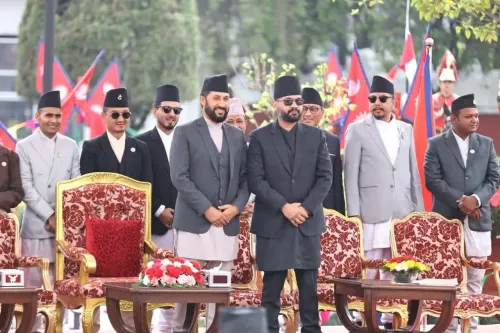
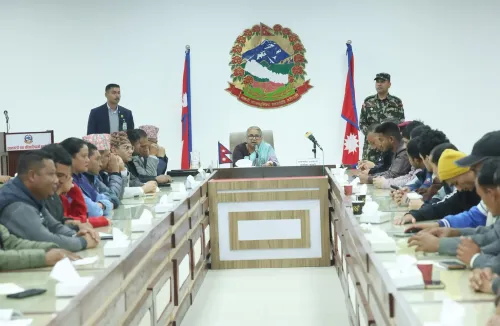
Kathmandu, March 28 (NationPress) The newly formed government of Nepal has declared its intention to establish a committee tasked with scrutinizing the assets of political leaders and senior officials who have served in public office from 1990 to 2026.
Under the leadership of Prime Minister Balendra Shah, the government unveiled a comprehensive governance reform agenda consisting of 100 points on Saturday, which includes the formation of a robust asset investigation committee within a 15-day timeframe.
This move comes amidst growing allegations of corruption against various politicians who have held office over the last thirty years, prompting increased demands for an investigative body from numerous sectors of society.
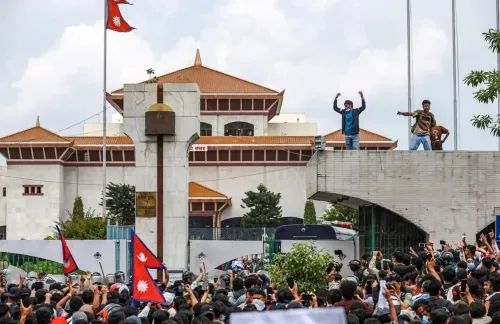
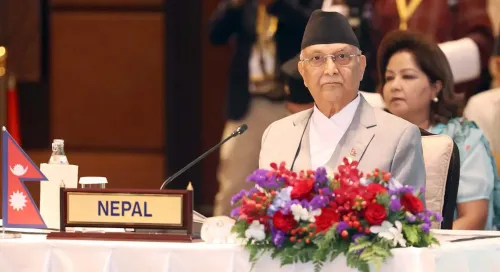
Claims of corruption among political figures have been identified as a significant factor behind the Gen Z movement that emerged in September of the previous year, leading to the dismissal of former Prime Minister KP Sharma Oli's administration.
During its inaugural Cabinet meeting on Friday, the new government approved this extensive 100-point governance reform agenda.
The purpose of establishing the committee is to combat rampant corruption, asset concealment, and the prevailing culture of impunity in the nation.
Initially, the committee will operate under the Office of the Prime Minister to collect, verify, and investigate the asset details of prominent political office holders and senior bureaucratic officials who held public office from 2006 to 2026.
In its subsequent phase, the government plans to extend the investigation to assess the assets of significant political figures and officials who served from 1990 to 2005.
To fortify anti-corruption initiatives, the Nepal Rastra Bank, the nation’s central bank, will introduce a digital asset registry within 100 days, encompassing bank accounts, digital wallets, share investments, and other financial transactions.
A risk-based indicator system will be established, enabling automatic identification of suspicious transactions, which will then be referred to the appropriate authorities for further investigation.
Point of View
It is crucial to recognize that this initiative reflects a growing demand for transparency and accountability within Nepal's political landscape. By scrutinizing the assets of past leaders, the government aims to re-establish trust among citizens and combat the pervasive culture of impunity that has long plagued the nation.
NationPress
19 Sept 2026
Frequently Asked Questions
What is the purpose of the asset investigation committee in Nepal?
The asset investigation committee aims to scrutinize the assets of political leaders and high-ranking officials to combat corruption and restore public trust in governance.
What timeframe does the investigation cover?
The investigation will cover the assets of officials who held public office from 1990 to 2026.
Who will oversee the asset investigation committee?
The committee will operate under the Office of the Prime Minister and will initially focus on verifying asset details of officials from 2006 to 2026.
What measures will be taken to enhance anti-corruption efforts?
The Nepal Rastra Bank will establish a digital asset registry and implement a risk-based indicator system to identify and investigate suspicious transactions.
What prompted the need for this investigation?
Growing allegations of corruption against political leaders and demands from the public for accountability have necessitated this investigation.