US approves $1 million more to help Nepal identify flood victims
Synopsis
The US has quietly built a $5 million-plus relief operation in flood-hit Nepal — and the newest piece isn't food or shelter, but forensic science. With FBI specialists working alongside Nepal Police and DNA kits being assessed, Washington is helping Kathmandu do something often overlooked in disaster response: give families the dignity of knowing what happened to their loved ones.
Key Takeaways
The United States approved an additional $1 million for forensic support to help Nepal identify flood victims, pushing total State Department assistance past $5 million .
FBI forensic specialists are working alongside Nepal Police on disaster victim identification, including assessment of DNA analysis kits .
The largest aid component is $3 million for food and logistics through the World Food Programme ; a further $365,000 supports health, nutrition, and sanitation via Jhpiego , FHI-360 , and UNICEF .
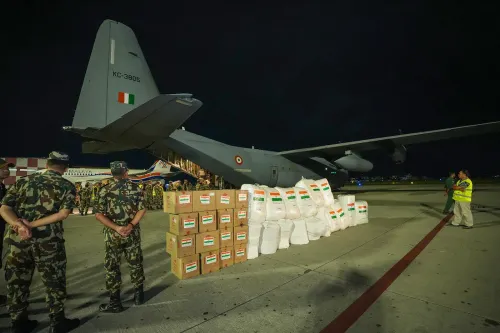
The US military has delivered 5,000 disaster victim recovery supplies and 500 first aid kits, alongside stretchers and front-end loaders.
A four-person US Military Civil Affairs Team is on the ground to address post-crisis humanitarian needs.
The State Department signalled readiness to provide further assistance based on Nepal's evolving requirements.
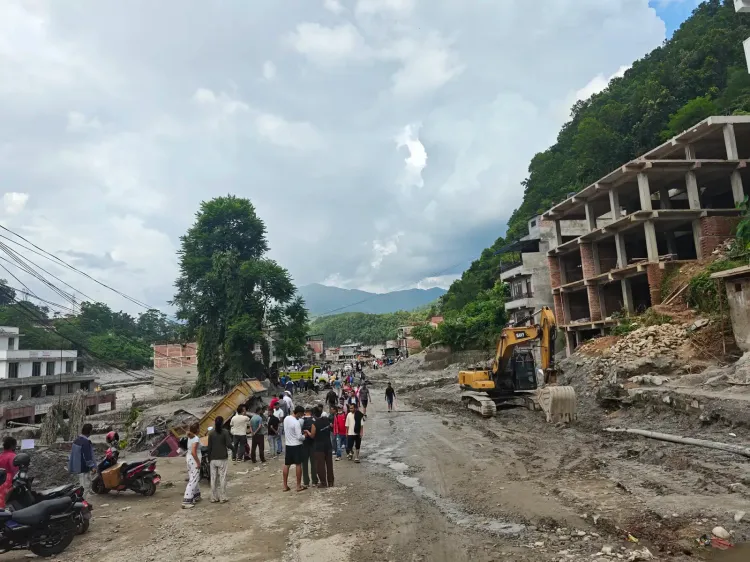
The United States has approved an additional $1 million to assist Nepal in identifying victims of recent floods, bringing the total State Department assistance for the disaster response to more than $5 million. American forensic specialists, including FBI personnel, are working alongside Nepal Police on the ground as part of a rapidly expanding bilateral relief effort.
What the New Funding Covers
The fresh allocation was approved by the State Department's Bureau of International Narcotics and Law Enforcement Affairs, according to a 12 September media note released by the department. The funding is specifically directed at forensic support for Nepal Police, with US officials jointly assessing the most urgent requirements — including DNA analysis kits — to aid disaster victim identification.
FBI forensic specialists are embedded alongside Nepali counterparts to help identify those who died and provide answers to families of American citizens and other victims. The deployment reflects a dual mandate: addressing Nepal's broader humanitarian crisis while also accounting for US nationals in the affected areas.
Breakdown of US Assistance So Far
The largest single component of State Department support remains a $3 million allocation for food and logistics channelled through a global assistance award with the World Food Programme (WFP). A further $365,000 is supporting health, nutrition, water, sanitation, and hygiene through implementing partners Jhpiego, FHI-360, and UNICEF. Together with the newly approved forensic tranche, listed State Department allocations amount to $5.05 million.
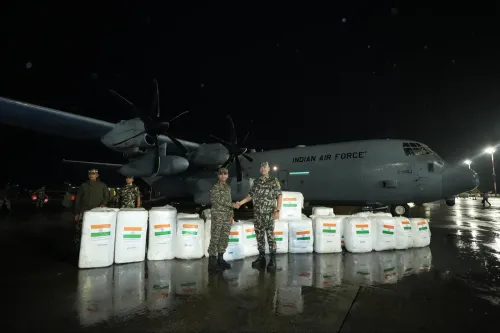
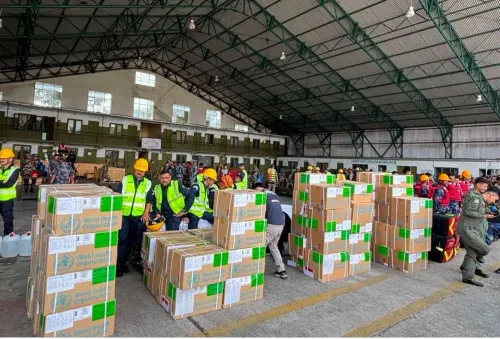
The US military has separately delivered 5,000 specialised disaster victim recovery supplies, 500 first aid kits, stretchers, and front-end loaders to support Nepal-led search, rescue, and recovery operations. A four-person US Military Civil Affairs Team is also on the ground, tasked with overseas humanitarian, disaster, and civic aid projects to address post-crisis needs.
What the US Government Said
'The safety of Americans in the affected area remains our highest priority,' the State Department said in its note, expressing sympathy for those affected and their families and reaffirming US friendship with the Nepali people.
The department described the response as a 'rapidly evolving operation' and said it was working closely with local partners to adjust to changing conditions on the ground. It also signalled readiness to do more: 'As the Secretary has reiterated, the United States is prepared to work closely with the Government of Nepal to continue to deliver additional assistance that responds directly to Nepal's needs.'
Broader Context and What Comes Next
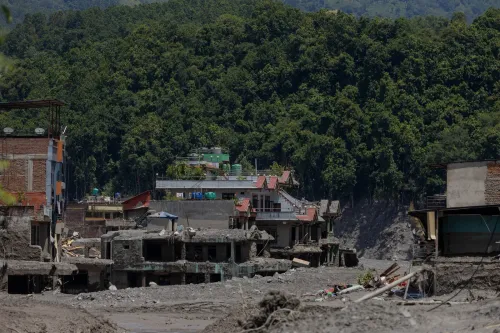
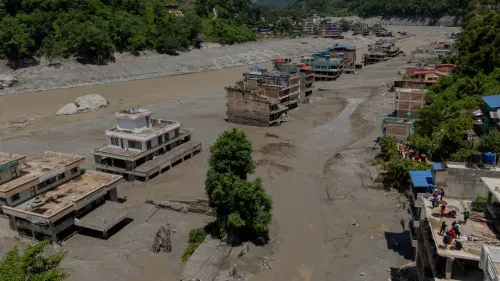
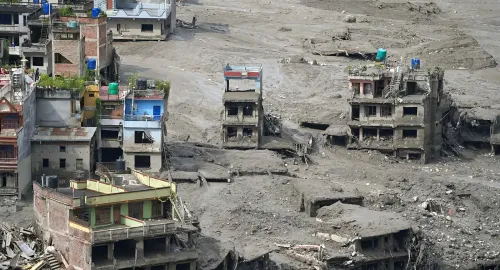
The forensic dimension of this response is notably specific — disaster victim identification missions of this scale typically follow mass-casualty events where local capacity is overwhelmed. Nepal's mountainous terrain and dense river networks make flood-linked fatalities particularly difficult to attribute and document, underscoring the value of forensic expertise and DNA-matching technology.
This is also a visible demonstration of US soft power in South Asia at a time when Washington is deepening engagement with Kathmandu across security and development domains. The State Department indicated it would continue adjusting support in line with evolving needs, suggesting additional tranches remain possible as the full scale of the disaster is assessed.
Point of View
The State Department's framing — 'the safety of Americans in the affected area remains our highest priority' — is a reminder that this operation serves a domestic political constituency as well. The broader $5 million package is meaningful but modest relative to the scale of Himalayan flood events; whether the US sustains or expands this commitment as the monsoon season's full toll becomes clear will be the real test of the partnership it has repeatedly invoked.
NationPress
13 Sept 2026
Frequently Asked Questions
How much has the US committed to Nepal flood relief in total?
The US State Department's listed allocations for Nepal flood relief amount to more than $5 million, with the latest $1 million tranche approved for forensic support. This is in addition to separate US military deliveries of equipment and personnel.
What will the new $1 million be used for?
The $1 million will fund forensic support for Nepal Police to help identify flood victims, including the assessment and provision of DNA analysis kits. It was approved by the State Department's Bureau of International Narcotics and Law Enforcement Affairs.
What role are FBI specialists playing in Nepal?
FBI forensic specialists are working alongside Nepal Police on disaster victim identification — helping authorities determine the identities of those who died and providing answers to families of American citizens and other victims.
What other US aid has been provided to Nepal?
Beyond the forensic funding, the US has allocated $3 million for food and logistics through the World Food Programme and $365,000 for health, nutrition, water, sanitation, and hygiene via Jhpiego, FHI-360, and UNICEF. The US military has also delivered 5,000 disaster recovery supplies, 500 first aid kits, stretchers, and front-end loaders, and deployed a four-person Civil Affairs Team.
Could the US provide more assistance to Nepal?
The State Department has indicated the operation is 'rapidly evolving' and that it is prepared to deliver additional assistance in line with Nepal's needs. Officials are actively working with Nepal Police and local partners to assess changing requirements on the ground.