Nepal floods: Relief centres become homes for survivors who lost all
Synopsis
Behind Nepal's flood death toll is a quieter crisis: hundreds of survivors with nothing left — not a home, not a family member, not a day's earnings — now living in makeshift relief centres. Among them are 60 orphaned children and Indian migrant workers from Punjab whose families back home still don't know if they are alive.
Key Takeaways
Flash floods in Nepal have displaced hundreds, with relief centres in Bidur sheltering between 130 and 150 people as of 2 September .
NGO Karuna Care is running the Tamang Plaza temporary holding centre, caring for 60 children , several of whom have lost both parents.
A Bihar man who ran a barber shop in Nepal for 26 years lost his home, shop, and all savings to the floods.
India-based Nirpakh Aid Community reports several Indian nationals from Punjab are missing in Nepal's flood-affected areas.
Nepal Health Minister Nisha Mehta has warned of risks of diarrhoea, dysentery, and cholera, and confirmed medicines are being stockpiled.
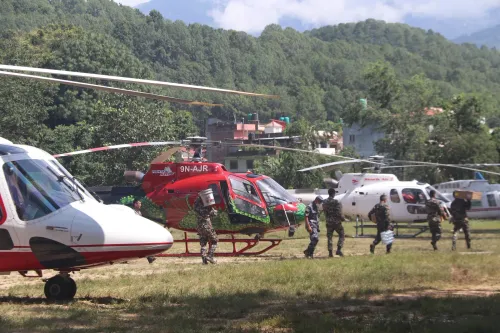
The Indian government has sent aid and a forensic team for DNA testing of flood victims.
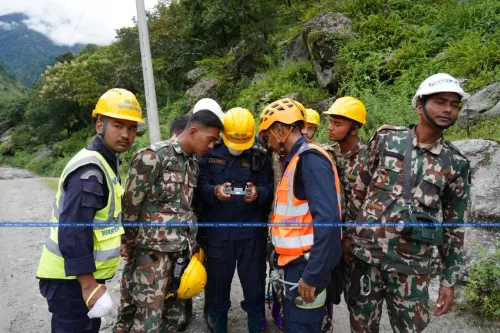
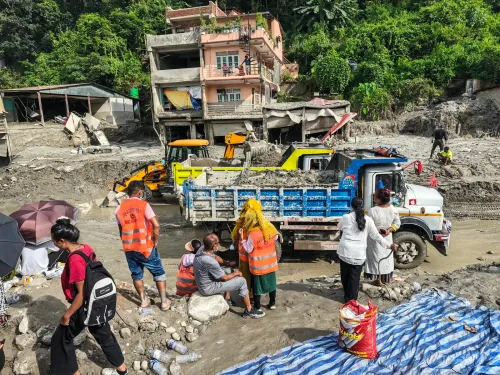
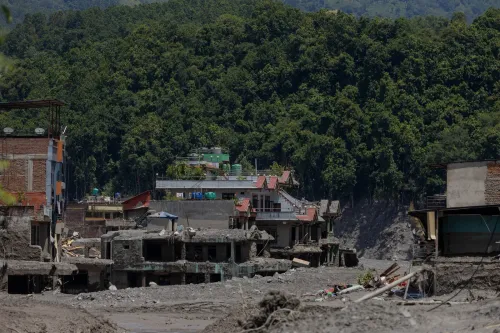
Relief centres in Bidur, Nepal, have become makeshift homes for hundreds of survivors displaced by the devastating flash floods that swept through the Himalayan nation, leaving families shattered and livelihoods erased. As of 2 September, organisations including NGO Karuna Care and India-based Nirpakh Aid Community are running round-the-clock operations to shelter and feed those rescued from the floodwaters.
Survivors Recount the Devastation
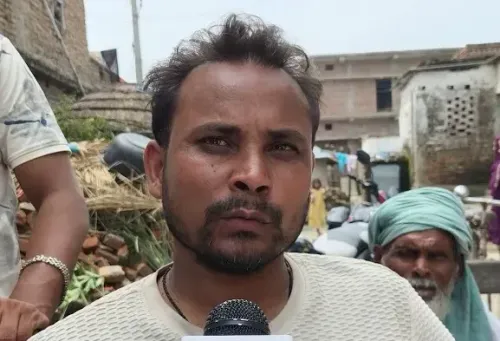
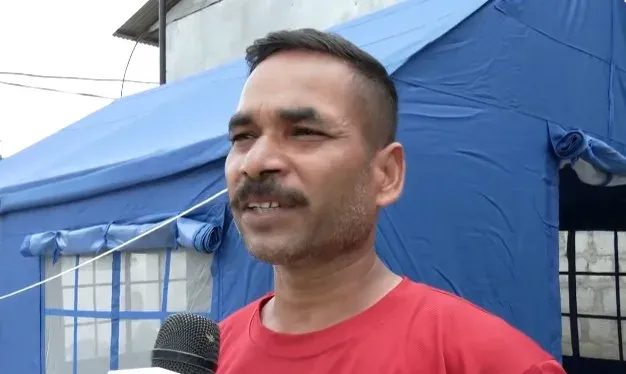
Among those sheltering at a makeshift tent relief centre is a man from Bihar who had operated a barber shop in Nepal for the past 26 years. He described how police had announced a dam breach roughly an hour before the deluge struck, urging residents to evacuate — a warning many, including himself, did not take seriously.
'Around an hour earlier, police had announced that a dam had breached and asked people to immediately evacuate the area. But we didn't really believe that such a thing would ever happen. It had never happened before, nor did we believe it ever would...we ran uphill after seeing a newly-constructed bridge getting washed away,' he said. His family survived, but their home, belongings, and shop were entirely lost. 'What remains is the cloth that I am wearing right now, the same one in which I ran for my life...whatever we earned for the last 26 years is gone now,' he added.
Another survivor, rescued from flood-hit Rasuwa, described the loss of nearly his entire family. 'We fled from there due to the flood...My family... father and mother are no more. My brother-in-law's family is gone. My brother-in-law and sister-in-law are all gone,' he said.
Relief Operations on the Ground
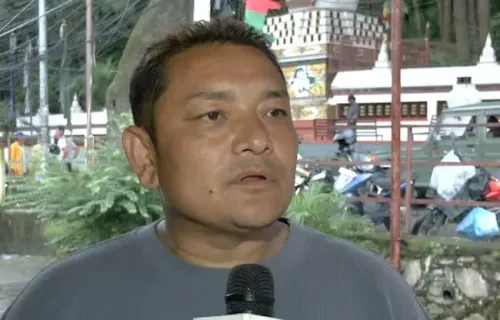
Karuna Care, an NGO managing the Tamang Plaza temporary holding centre in Bidur, has been operational for over four days. Its Chairman and CEO, Dhan Raj Ghimire, said the centre is currently sheltering between 130 and 150 people, including several children who have lost one or both parents.
'There are several children who have lost either father or mother, and two or three children have lost both parents,' Ghimire said, noting that the organisation is providing breakfast, lunch, dinner, evening snacks, clothes, sanitary pads, and other essentials. 'It is like a home, and it seems like a very big family,' he added.
Joel, a volunteer with the NGO, said the centre is currently caring for 60 children, most of whom have lost their parents, homes, and all possessions.
Indian Nationals Among the Missing
India-based Nirpakh Aid Community has also deployed volunteers in Nepal to assist with rescue and relief. Its President, Gurmit Singh, said the organisation has been monitoring the situation for three to four days and distributing essential supplies. He flagged that many Indian nationals — particularly people from Punjab who had travelled to Nepal for tunnel work, tourism, or pilgrimages — are reportedly missing.
'We are visiting hospitals, police stations and other locations to gather information about them and share it with their families,' Singh said. This comes amid broader concerns about the welfare of migrant workers and pilgrims caught in the disaster zone.
Health Risk Warning From Nepal Government
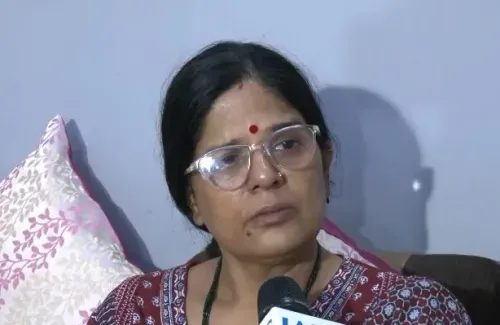
Nepal's Health Minister Nisha Mehta has warned that preventing a disease outbreak remains a critical priority in the flood's aftermath. 'Any outbreak will be a huge challenge, so we are trying our best to prevent that...The main risk is of diseases like diarrhoea, dysentery, cholera etc. We are keeping medicines ready,' she said. Mehta also thanked the Indian government for dispatching aid and a forensic team for DNA testing of bodies recovered from the floodwaters.
With relief operations still in their early stages, authorities and NGOs face the twin challenge of preventing a public health crisis while continuing to locate and assist those still unaccounted for.
Point of View
Daily-wage earners, and pilgrims who had no safety net to fall back on. The Bihar barber who lost 26 years of savings in one night is not an outlier; he is the story. What mainstream coverage often misses is the cross-border dimension: Indian nationals — workers and pilgrims — are missing in a foreign country, and their families are dependent on volunteer NGOs, not state machinery, for information. Nepal's disease-outbreak warning is also a ticking clock; post-flood cholera and dysentery outbreaks have historically compounded death tolls in South Asian disasters, and the window for prevention is narrow.
NationPress
18 Oct 2026
Frequently Asked Questions
What happened in Nepal's flash floods?
Devastating flash floods struck Nepal, including flood-hit areas like Rasuwa, causing widespread destruction of homes, loss of life, and displacement of hundreds of residents. Relief centres in Bidur are now sheltering survivors, with NGOs providing food, clothing, and essential supplies.
How many people are being sheltered in Nepal's flood relief centres?
The Tamang Plaza temporary holding centre in Bidur, managed by NGO Karuna Care, is currently sheltering between 130 and 150 people, including at least 60 children, many of whom have lost one or both parents.
Are Indian nationals affected by the Nepal floods?
Yes. Nirpakh Aid Community, an India-based NGO, reports that several Indian nationals — particularly people from Punjab who were in Nepal for tunnel work, travel, or pilgrimages — are missing. Volunteers are visiting hospitals and police stations to trace them and relay information to their families.
What disease risks are authorities warning about after the Nepal floods?
Nepal Health Minister Nisha Mehta has flagged the risk of waterborne diseases including diarrhoea, dysentery, and cholera in flood-affected areas. The government is stockpiling medicines and working to prevent an outbreak, which she described as a potential 'huge challenge'.
What aid has India sent to Nepal following the floods?
According to Nepal Health Minister Nisha Mehta, the Indian government has sent aid supplies and a forensic team to assist with DNA testing of bodies recovered from the floodwaters, helping identify victims for their families.