Is Nepal Taking Steps to Limit Climbers for Mountain Cleanliness?
Synopsis
As Nepal grapples with waste issues on its iconic peaks, a new five-year action plan aims to regulate climbers and preserve the beauty of the Himalayas. This initiative is a significant step towards maintaining the ecological integrity of these majestic mountains.
Key Takeaways
Five-year action plan to regulate climbers.
Focus on waste management in the Himalayas.
Mandatory registration of climbing equipment.
Use of biodegradable materials for flags and banners.
Potential relocation study for Mount Everest Base Camp .
Kathmandu, Dec 16 (NationPress) Nepal’s majestic peaks, including Mount Everest, have faced significant waste challenges over the years. In response, the Nepali government has launched a comprehensive five-year strategy aimed at preserving the pristine beauty of these mountains.
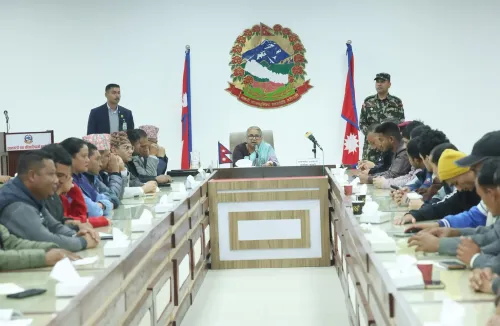
The Ministry of Culture, Tourism, and Civil Aviation revealed new measures on Tuesday, which may involve capping the number of climbers and regulating expedition timings. This approach considers the brief favorable weather conditions for climbing as well as potential crowding on the slopes.
Under the newly introduced Action Plan to Maintain Clean Mountains (2025-2029), the government plans to implement legal and policy frameworks to monitor the number of climbers and schedule of expeditions. This initiative comes as a response to a ruling by the Nepal Supreme Court last year, which mandated that climbing permits should only be issued with a clear limit on climber numbers. Nepal continues to collect vast amounts of waste from its mountainous regions, including Mount Everest, every year.
During the Spring 2025 season, over 83 metric tonnes of waste were retrieved from Mount Everest, Lhotse, and Nuptse, as reported by the Sagarmatha Pollution Control Committee (SPCC), which has been actively involved in mountain cleanup efforts.
The action plan also aims to deploy teams of skilled and experienced mountaineers, who will be assigned specific roles related to waste and human remains collection above base camps.
Additionally, the government intends to establish and enforce standards for waste classification and management. Climbing teams will need to maintain a detailed inventory of their gear and register these items at the mountaineering entry point.
“Upon returning from the expedition, all items brought back must be documented at the exit point,” the plan stipulates.
Furthermore, items such as banners, flags, and prayer flags taken above base camps must be biodegradable, and authorities may impose limitations on their size or length.
“Should non-biodegradable materials be employed, it must be ensured that they are retrieved,” the action plan asserts.
The initiative also proposes feasibility analyses for using ropeways and drones to assist in waste collection above the base camps of popular climbing sites.
Its goal is to mitigate garbage accumulation right from the onset of the climbing season when rope-fixing teams first ascend the mountains, including Mount Everest.
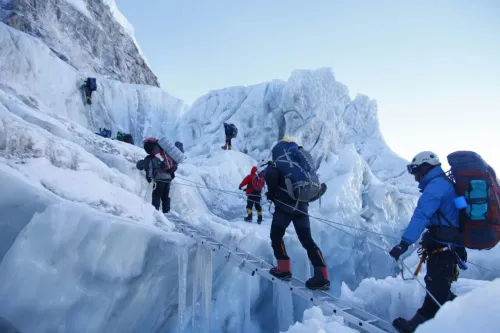
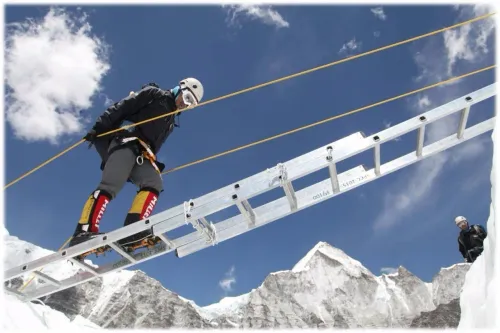
A condition may be enforced for these teams, mandating that all materials used during their operations be returned post-climbing season.
“Agencies engaged in waste management should keep records of materials utilized for rope-fixing tasks, like ropes and ladders, ensuring that an equivalent quantity is brought back after the expedition,” the action plan specifies.
In light of increasing complaints regarding the waste issue at Mount Everest Base Camp, the plan also includes a feasibility study to explore the possibility of relocating the base camp.
Point of View
It's clear that Nepal's initiative to limit climbers is a crucial step towards sustainable tourism. The action plan not only addresses the pressing issue of waste but also ensures that our natural heritage is preserved for future generations. It reflects a commitment to environmental responsibility that aligns with global conservation efforts.
NationPress
27 Sept 2026
Frequently Asked Questions
What is the purpose of Nepal's five-year action plan?
The plan aims to regulate the number of climbers and the timing of expeditions to manage waste and preserve the cleanliness of the Himalayas.
How much waste was collected from Mount Everest in Spring 2025?
Over 83 metric tonnes of waste were retrieved from Mount Everest, Lhotse, and Nuptse during the Spring 2025 season.
What are the new regulations for climbers?
Climbers will need to register their equipment, ensure all materials are brought back, and use biodegradable items for banners and flags.
How will the government enforce these new measures?
The government will introduce legal and policy measures to monitor climber numbers and expedition timings, as well as mobilize teams for waste management.
Why is there a need for this action plan?
The action plan responds to the significant waste accumulation on the mountains and aims to protect the environment and the integrity of Nepal's natural resources.