Netanyahu, Board of Peace agree on Gaza disarmament working groups
Synopsis
Netanyahu and the Board of Peace have agreed to form working groups on Gaza's disarmament and public health — but the gap between Israel's draft objections and the White House proposal signals that the hard bargaining is only beginning. Hamas's reported acceptance of a framework to surrender its governing role, if verified, would be the most consequential shift in the conflict's political architecture in years.
Key Takeaways
Israeli Prime Minister Benjamin Netanyahu and the Board of Peace agreed on 17 August to establish two working groups on Gaza disarmament and public health .
The first working group covers disarmament and demilitarisation , which both sides want completed before any reconstruction begins in Gaza.
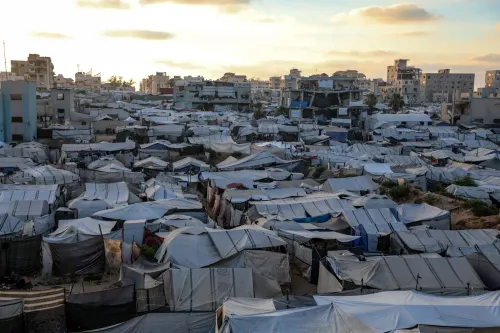
The second working group will focus on sanitation, clean water, and public health for Gaza's population.
Netanyahu stated on 5 August that Israeli forces would not withdraw until Hamas is fully disarmed.
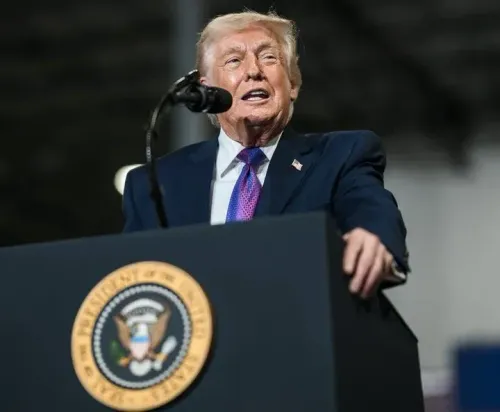
Hamas has reportedly agreed to relinquish its civilian and military governing role under a US-backed roadmap proposed by President Donald Trump .
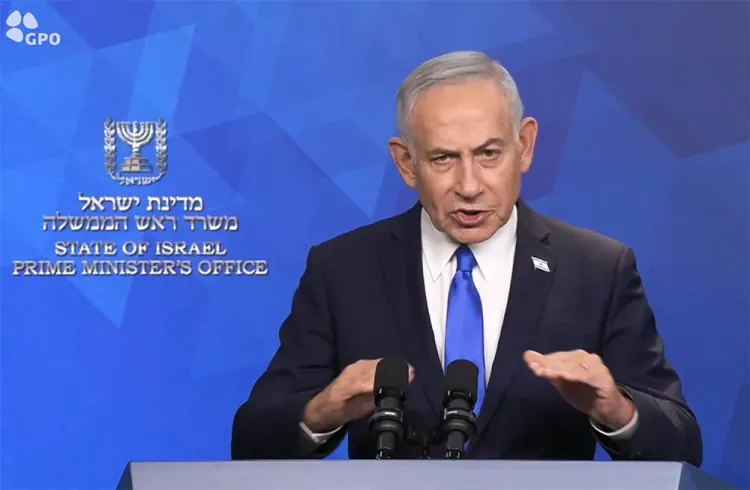
Israel has not accepted the White House draft, with Netanyahu confirming: 'It is not our draft.
We sent our comments.'
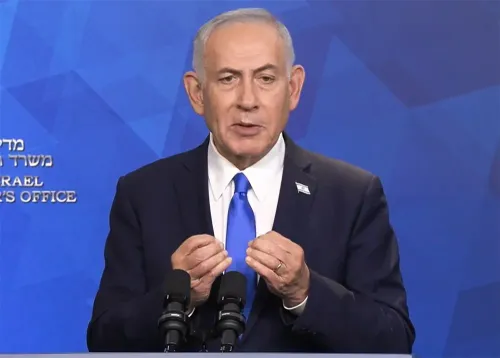
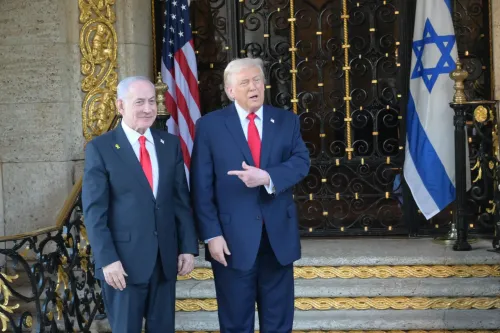
Israeli Prime Minister Benjamin Netanyahu and the Board of Peace have agreed to establish two working groups focused on the disarmament and demilitarisation of Gaza, the Israeli Prime Minister's Office announced on Monday, 17 August. The agreement marks a concrete structural step in the broader Gaza peace process backed by the United States.
What Was Agreed
According to a statement released by the Israeli Prime Minister's Office on X, the discussions between Netanyahu and the Board of Peace were described as 'deep and constructive.' The first working group will address disarmament and demilitarisation of Gaza, which both sides are 'determined should be prompt and completed before any reconstruction happens in Gaza.' The second working group will concentrate on sanitation, clean water, and other public health issues for the people of Gaza — matters that, the statement noted, also affect Israeli citizens.
Netanyahu's Stated Conditions
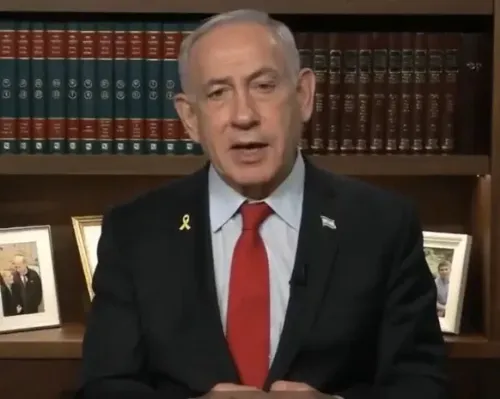
The agreement comes against the backdrop of firm public positions staked out by Netanyahu. On 5 August, he stated that Israel would not withdraw its forces from their current positions in Gaza until Hamas is fully disarmed. 'We are instructing IDF (Israel Defense Forces) soldiers to do whatever is necessary to protect themselves, our territory and our citizens,' he said in a video released on social media.
On the broader peace draft circulated by Washington, Netanyahu clarified that while the White House 'sent us a draft,' Israel 'did not agree to it.' He added: 'It is not our draft. We sent our comments' — signalling that negotiations over the precise terms remain ongoing.
Hamas Agrees to Relinquish Governing Role
In a significant development, Hamas has reportedly agreed to relinquish both its civilian and military role in governing Gaza, according to senior administration officials. Under a new internationally backed roadmap — announced by US President Donald Trump as part of his Gaza peace initiative — control of the territory would transfer to a transitional Palestinian administration through a phased peace process.
The proposal goes beyond a ceasefire by outlining a detailed plan to dismantle Hamas's governing structure. A body called the National Committee for the Administration of Gaza, described as an independent Palestinian entity, would oversee both civilian administration and internal security during a transitional period. Senior administration officials characterised this as the first time Hamas has accepted an international framework requiring it to surrender its governing role.
Context and What Comes Next
The establishment of working groups is an early procedural step, and the gap between Israel's draft objections and the White House proposal suggests substantive differences remain. Notably, Trump described the Board of Peace as having reached for the 'complete disarmament' of Hamas and other armed groups — framing that aligns with Netanyahu's own stated preconditions. Whether the working groups can translate agreed principles into an enforceable timeline will be closely watched by regional stakeholders and international mediators alike.
Point of View
Not a breakthrough — and the distance between Israel's draft objections and the White House proposal is a reminder that the hardest negotiations lie ahead. Hamas's reported willingness to surrender its governing role is structurally significant, but 'reportedly' is doing heavy lifting here: senior administration officials have made similar claims before without durable follow-through. The real test is sequencing — specifically, whether disarmament can be verified before reconstruction funding flows, or whether international pressure reverses that order under humanitarian urgency. Netanyahu's public insistence on full disarmament before withdrawal gives him domestic cover but narrows the diplomatic corridor considerably.
NationPress
2 Oct 2026
Frequently Asked Questions
What did Netanyahu and the Board of Peace agree to?
They agreed to establish two working groups — one on the disarmament and demilitarisation of Gaza, and another on sanitation, clean water, and public health for Gaza's population. The announcement was made by the Israeli Prime Minister's Office on 17 August.
What is the Board of Peace?
The Board of Peace is a body referenced in the context of the US-backed Gaza peace initiative led by President Donald Trump, described as having sought the 'complete disarmament' of Hamas and other armed groups in Gaza. Its precise composition has not been detailed in official statements.
Has Hamas agreed to give up control of Gaza?
According to senior administration officials, Hamas has reportedly agreed to relinquish both its civilian and military governing role in Gaza under a new internationally backed roadmap. A body called the National Committee for the Administration of Gaza would assume control during a transitional period, though the agreement has not been independently verified.
Why has Israel not accepted the White House draft proposal?
Netanyahu confirmed that while the White House sent a draft, Israel did not agree to it, stating: 'It is not our draft. We sent our comments.' This indicates ongoing negotiations over the specific terms of the peace framework.
What is Israel's condition for withdrawing forces from Gaza?
Netanyahu stated on 5 August that Israeli forces would not withdraw from their current positions in Gaza until Hamas is fully disarmed. He also said IDF soldiers are instructed to 'do whatever is necessary to protect themselves, our territory and our citizens.'