Netanyahu: Israel won't quit Gaza positions until Hamas fully disarmed
Synopsis
Netanyahu has publicly rejected the US-drafted Gaza ceasefire roadmap while Hamas conditionally accepted it — exposing a three-way fault line between Jerusalem, Washington, and Gaza's ruling group. With Israeli strikes killing civilians over the weekend and Qatar, Egypt, and Turkiye issuing a joint rebuke, the prospect of a durable settlement looks increasingly fragile.
Key Takeaways
Benjamin Netanyahu declared on 5 August that Israel will not withdraw from Gaza until Hamas is fully disarmed.
Netanyahu said Israel did not agree to the US-drafted ceasefire roadmap: 'It is not our draft.
We sent our comments.' Hamas conditionally accepted the 'latest version of the roadmap,' tying weaponry arrangements to a full Israeli withdrawal and end to hostilities.
Israeli strikes reportedly killed dozens of civilians, including children, over the weekend, prompting a joint condemnation from Qatar , Egypt , and Turkiye .
The proposed National Committee for the Administration of Gaza would replace Hamas's governing role under the US-backed framework.
Senior US officials called it the first time Hamas had agreed to surrender its governing role under an international framework.
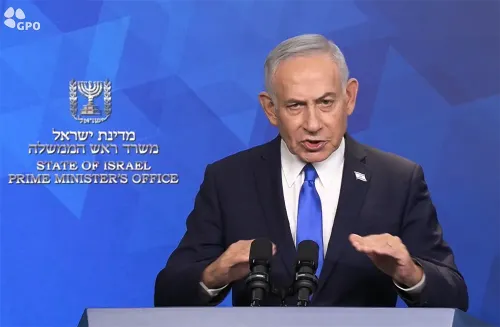
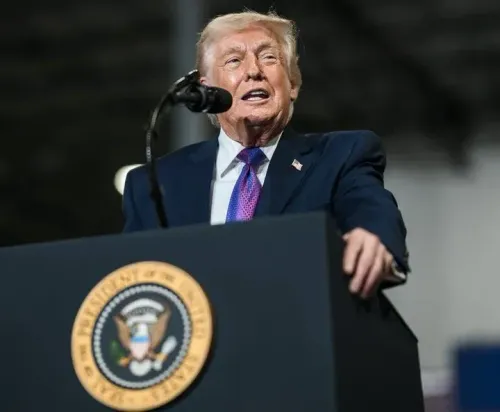
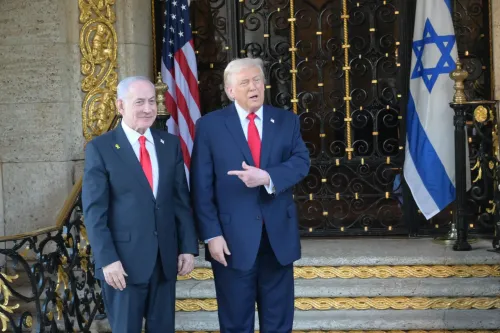
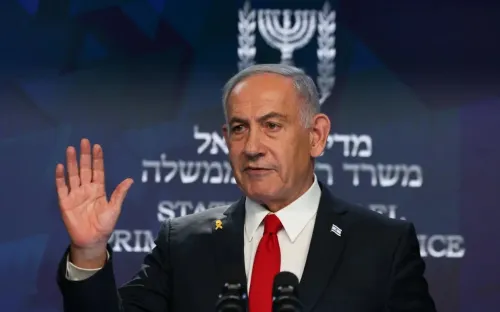
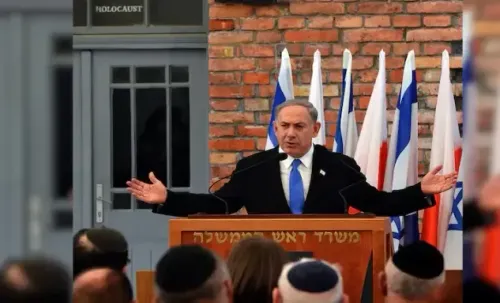
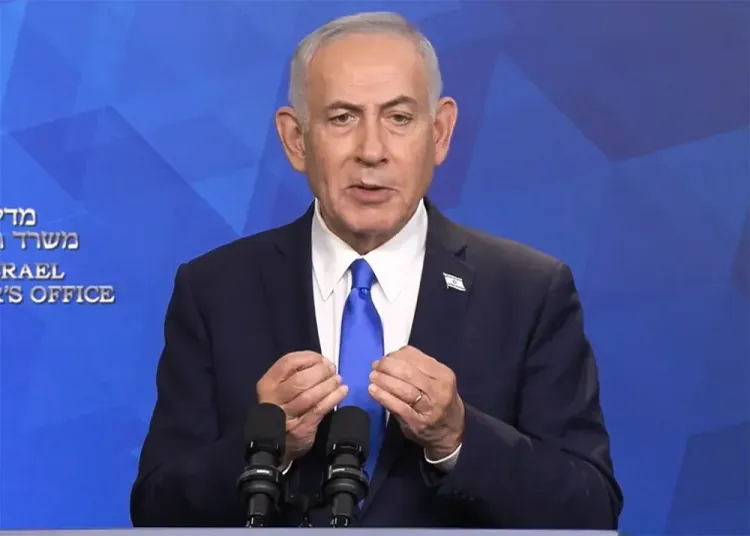
Israeli Prime Minister Benjamin Netanyahu declared on 5 August that Israeli forces will not withdraw from their current positions inside Gaza until Hamas is completely disarmed — a hardline stance that places him at odds with the latest ceasefire roadmap promoted by US President Donald Trump. The statement, delivered via a video released on social media, underscores deepening tensions between Jerusalem and Washington over the shape of any lasting Gaza settlement.
Netanyahu's Position
'We are instructing IDF (Israel Defense Forces) soldiers to do whatever is necessary to protect themselves, our territory and our citizens,' Netanyahu said in the video. On the deal Trump publicly described as having been reached by the so-called 'Board of Peace' for the 'complete disarmament' of Hamas and other armed groups in Gaza, Netanyahu was unequivocal: 'The White House sent us a draft, but we did not agree to it. It is not our draft. We sent our comments.'
Hamas Conditionally Accepts the Roadmap
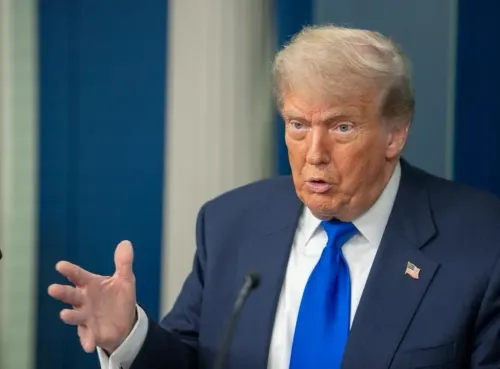
A day after Trump's announcement, Hamas said it had agreed to the 'latest version of the roadmap' for the second phase of the Gaza ceasefire agreement following what it described as 'fierce' negotiations. However, the group conditioned any weaponry arrangements on a complete halt to what it called 'aggression,' a full Israeli withdrawal from the enclave, and tangible progress on reconstruction — conditions that appear incompatible with Israel's stated position.
Civilian Toll and Regional Condemnation
Over the preceding weekend, Israeli strikes reportedly killed dozens of people across Gaza, including children and other civilians. The strikes drew a joint condemnation on Monday from Qatar, Egypt, and Turkiye — the three countries serving as mediators in the Gaza ceasefire talks. The statement marked a rare unified public rebuke from the mediating bloc.
What the Proposed Roadmap Entails
According to senior US administration officials, Hamas had earlier agreed to relinquish both its civilian and military governing role in Gaza under an internationally backed framework. The proposal, announced by Trump as part of his broader Gaza peace initiative, goes beyond a ceasefire by outlining a plan to dismantle Hamas's governing structure entirely.
Under the framework, a body called the National Committee for the Administration of Gaza — described as an independent Palestinian authority — would assume responsibility for civilian administration and internal security during a transitional period. All civilian and security responsibilities would be transferred to this committee, which would become the sole authority overseeing public institutions, essential services, and law and order across the Gaza Strip. The document also calls for the committee to conduct a comprehensive audit of Gaza's financial and administrative affairs before reconstruction begins.
Senior officials described this as the first time Hamas has agreed to an international framework requiring it to surrender its governing role while allowing a new Palestinian authority to administer the territory.
What Comes Next
With Israel publicly rejecting the current draft and Hamas attaching significant conditions to its acceptance, the gap between the two sides remains wide. The position of mediators Qatar, Egypt, and Turkiye — already strained by the weekend strikes — will be critical in determining whether negotiations can bridge the divide. Any durable agreement will require Israel and Hamas to reconcile fundamentally opposed red lines on disarmament, withdrawal, and reconstruction sequencing.
Point of View
Not a concession. The 'Board of Peace' framing from Trump overstates consensus. What actually exists is a three-way disagreement dressed as progress. The civilian death toll over the weekend, and the rare joint rebuke from all three mediating states, signals that the diplomatic window is narrowing faster than the negotiating parties are willing to admit.
NationPress
19 Sept 2026
Frequently Asked Questions
Why is Netanyahu refusing to withdraw Israeli forces from Gaza?
Netanyahu says Israeli forces will not leave their current positions in Gaza until Hamas is completely disarmed. He framed the continued IDF presence as necessary to protect Israeli soldiers, territory, and citizens.
What is the US-backed Gaza ceasefire roadmap?
The roadmap, promoted by US President Donald Trump, outlines a phased plan to dismantle Hamas's governing structure and hand control of Gaza to a transitional Palestinian body called the National Committee for the Administration of Gaza. It goes beyond a simple ceasefire by requiring Hamas to surrender both its civilian and military governing roles.
Has Hamas agreed to the ceasefire roadmap?
Hamas said it accepted the 'latest version of the roadmap' for the second phase of the Gaza ceasefire, but attached conditions — including a complete halt to Israeli military action, full Israeli withdrawal from Gaza, and progress on reconstruction — before agreeing to any weaponry arrangements.
Why did Qatar, Egypt, and Turkiye issue a joint condemnation?
The three countries, which serve as mediators in the Gaza ceasefire talks, jointly condemned Israeli strikes over the weekend that reportedly killed dozens of civilians, including children, across Gaza. The statement was a rare unified public rebuke from the mediating bloc.
What would the National Committee for the Administration of Gaza do?
Under the proposed framework, this independent Palestinian body would assume sole authority over civilian administration, internal security, public institutions, essential services, and law and order across the Gaza Strip. It would also conduct a comprehensive audit of Gaza's financial and administrative affairs before reconstruction begins.