Netanyahu says Israel-Iran strikes on hold, warns of forceful response
Synopsis
Netanyahu declared Israel's strikes on Iran 'on hold' — but the pause is conditional and fragile. With Iran's military command warning of a 'severe and crushing' response to any further Israeli action, and Israel's Home Front Command only partially lifting civil defence curbs, the region is in a tense standoff, not a ceasefire.
Key Takeaways
Israeli PM Benjamin Netanyahu declared on 8 June that strikes against Iran are currently 'on hold.' Netanyahu warned Israel will 'respond with force' if Iran resumes its attacks.
Israel's Home Front Command will lift most civil defence restrictions from 6:00 a.m.
Tuesday , with exceptions near the Lebanese border .
Iran's Khatam al-Anbiya Central Headquarters announced cessation of operations but threatened a 'severe and crushing' response to any further Israeli aggression.
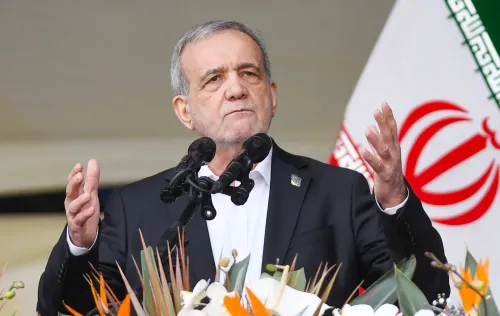
Iranian President Masoud Pezeshkian said Iran has 'neither abandoned the field nor the negotiating table,' signalling a dual diplomatic-military posture.
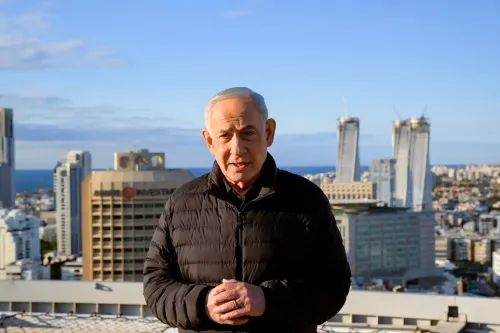
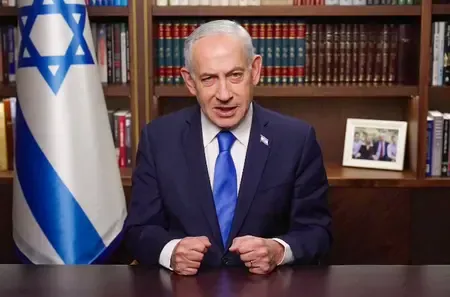
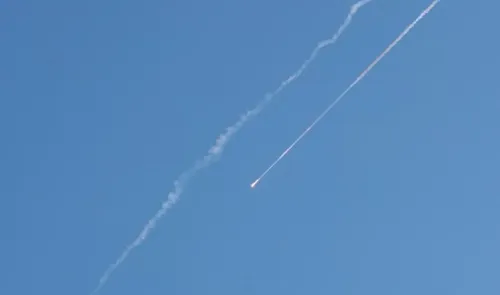
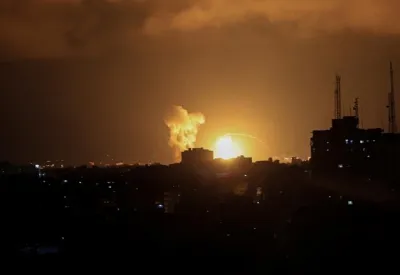
Israeli Prime Minister Benjamin Netanyahu announced on Monday, 8 June that Israel's military campaign against Iran is currently 'on hold,' hours after Iranian forces launched missiles at Israel on Sunday night. Netanyahu issued a sharp warning, however, that Israel would respond with full force if Iran resumes hostilities.
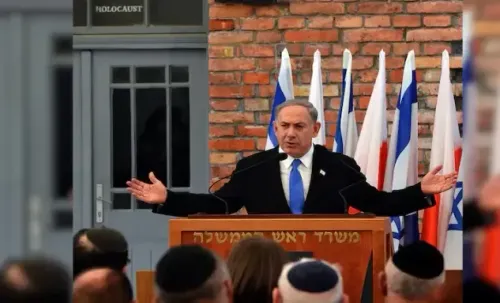
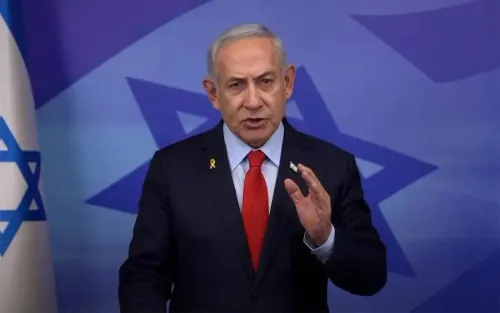
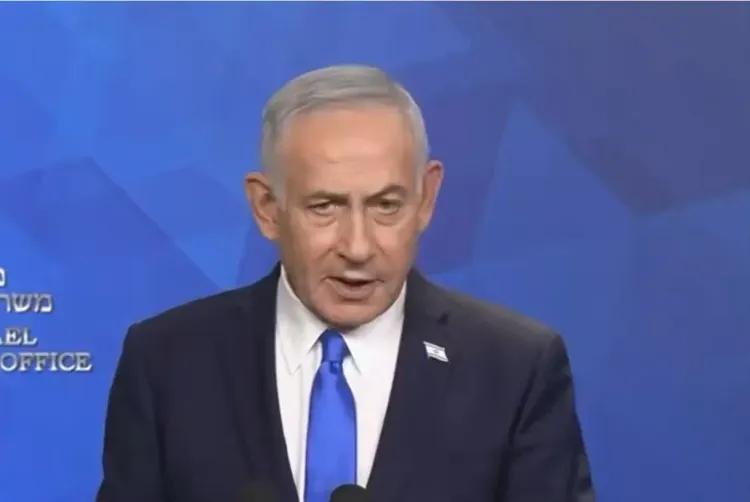
Netanyahu's Statement
'At the moment, the fire is on hold because after ... it stopped attacking us,' Netanyahu said in his first televised address, delivered more than 20 hours after the initial Iranian missile barrage. He added: 'If Iran makes the mistake of attacking us again, we will respond with force.'
According to reports, Netanyahu had earlier ordered the Israeli military to strike military and economic targets across Iran on Monday before the ceasefire-like pause took hold.
Civil Defence Restrictions to Ease
Following Netanyahu's announcement, Israel's Home Front Command said it would lift most civil defence restrictions across the country from 6:00 a.m. on Tuesday. Most of Israel will return to full activity at that point, though restrictions will remain in place in several northern communities near the Lebanese border.
Iran Declares End to Operations
Earlier on Monday, Iran's main military command — Khatam al-Anbiya Central Headquarters — announced the cessation of Iranian armed forces' operations against Israel, according to the semi-official Fars news agency. The headquarters warned, however, that any further Israeli 'aggression and malicious acts,' including in southern Lebanon, would trigger a 'severe and crushing' response.
Iran said its military actions were carried out in support of the Lebanese people, following Israeli strikes in southern Lebanon and the Dahieh district south of Beirut.
Iran's President Signals Dual Track
Iranian President Masoud Pezeshkian addressed the situation in a post on X, striking a tone that balanced defiance with diplomatic openness. 'Our priority is national security and the peace of our people. We will defend the rights of the nation with authority and will not retreat in the face of any threat. Diplomacy and defence are the two wings of national power; we have neither abandoned the field nor the negotiating table,' Pezeshkian wrote.
What Comes Next
The pause in hostilities is fragile. Both sides have issued conditional warnings — Israel threatening renewed strikes if attacked, and Iran promising a harsher response to any further Israeli action. This comes amid an already volatile regional backdrop, with the conflict in southern Lebanon still unresolved. The coming hours will be critical in determining whether the pause holds or escalates into a broader confrontation.
Point of View
And Iran's military headquarters matched it with equally conditional language. What is missing is any third-party mediation framework or verifiable de-escalation mechanism. The involvement of southern Lebanon as a stated Iranian justification signals that the Gaza-Lebanon-Iran axis of pressure on Israel remains intact. A single miscalculation — an errant strike, a militia provocation — could unravel this fragile pause within hours. The world is watching a live escalation ladder with no agreed-upon top rung.
NationPress
16 Sept 2026
Frequently Asked Questions
Why did Netanyahu say Israel's strikes on Iran are 'on hold'?
Netanyahu said the strikes are on hold because Iran stopped its missile attacks on Israel. He made the announcement in a televised statement on 8 June, more than 20 hours after Iran's initial missile barrage on Sunday night.
What did Iran's military command say about ending its operations?
Iran's Khatam al-Anbiya Central Headquarters announced the cessation of its armed forces' operations against Israel. However, it warned that any further Israeli aggression, including in southern Lebanon, would trigger a 'severe and crushing' response.
When will Israel lift civil defence restrictions?
Israel's Home Front Command said most civil defence restrictions will be lifted from 6:00 a.m. on Tuesday. Restrictions will remain in place in several northern communities near the Lebanese border.
What did Iranian President Pezeshkian say about the conflict?
President Masoud Pezeshkian posted on X that Iran's priority is national security and the peace of its people. He said Iran has 'neither abandoned the field nor the negotiating table,' signalling continued readiness for both military defence and diplomacy.
What triggered Iran's missile attacks on Israel?
According to Iran's military headquarters, the attacks were carried out in support of the Lebanese people following Israeli strikes in southern Lebanon and the Dahieh district south of Beirut.