Iran halts military operations against Israel, warns of 'crushing' response
Synopsis
Iran's top military command declared a halt to operations against Israel on 8 June — but paired it with a pointed warning of a 'crushing' response to any further aggression. With the IRGC having struck three Israeli air bases and Israel retaliating on Iranian soil, the pause is conditional, not conclusive. President Pezeshkian's public pledge to hold both the battlefield and the negotiating table signals Tehran is framing this as a strategic pause, not a retreat.
Key Takeaways
Iran's Khatam al-Anbiya Central Headquarters announced cessation of military operations against Israel on 8 June .
The statement warned that further Israeli aggression, including in southern Lebanon , would trigger a 'severe and crushing' response.
The IRGC had struck Ramat David , Nevatim , and Tel Nof air bases in Israel before the halt.
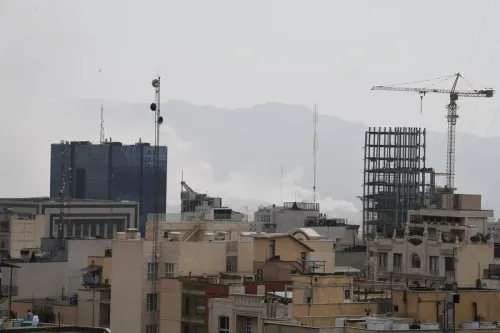
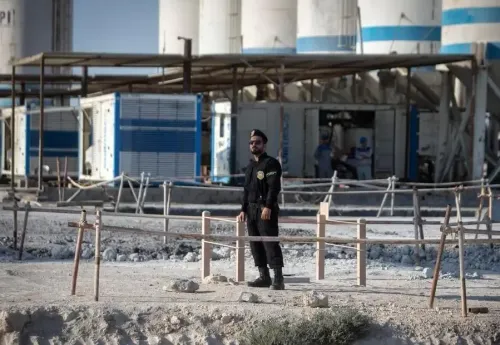
Israel carried out retaliatory airstrikes on Iran, including a petrochemical facility in Khuzestan .
Israel reportedly halted its strikes at the request of US President Donald Trump , according to a senior Israeli official.
President Masoud Pezeshkian said Iran has 'neither abandoned the field nor the negotiating table.'
Iran's Khatam al-Anbiya Central Headquarters announced on Monday, 8 June the formal cessation of Iranian armed forces' operations against Israel, according to the semi-official Fars news agency. The halt follows a sustained exchange of strikes that drew in air bases on both sides and threatened a broader regional escalation.
The Ceasefire Announcement
In its statement, the Khatam al-Anbiya Central Headquarters — Iran's principal military command — declared the end of active operations while issuing a sharp warning: any further Israeli 'aggression and malicious acts,' including in southern Lebanon, would invite a 'severe and crushing' response. The statement framed Iran's military actions as a direct reaction to Israeli strikes on southern Lebanon and the Dahieh district south of Beirut.
What Pezeshkian Said
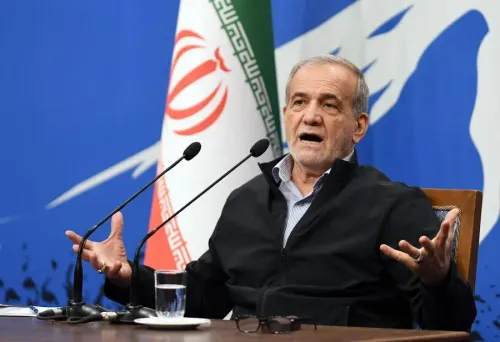
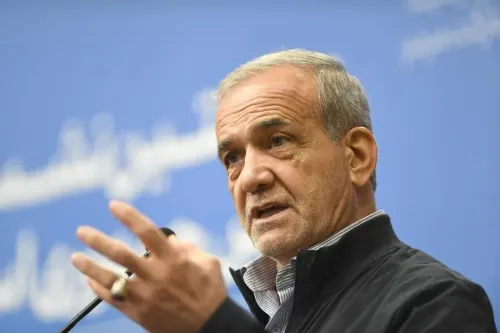
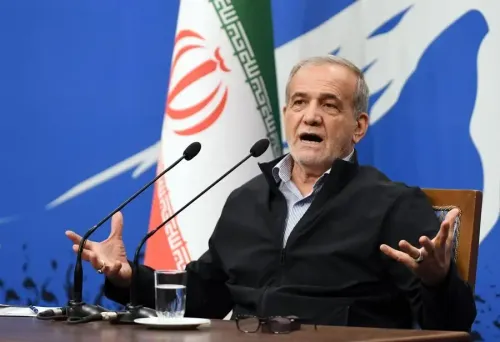
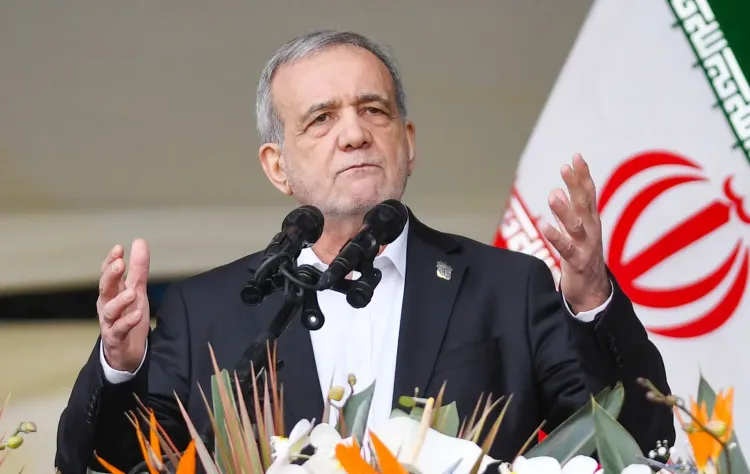
Iranian President Masoud Pezeshkian posted on X on Monday, asserting that Tehran had not stepped back from either the battlefield or the negotiating table. 'Our priority is national security and the peace of our people. We will defend the rights of the nation with authority and will not retreat in the face of any threat. Diplomacy and defence are the two wings of national power; we have neither abandoned the field nor the negotiating table. God willing, with unity and rationality, Iran will emerge triumphant from this trial as well,' Pezeshkian wrote.
The Strikes That Preceded the Halt
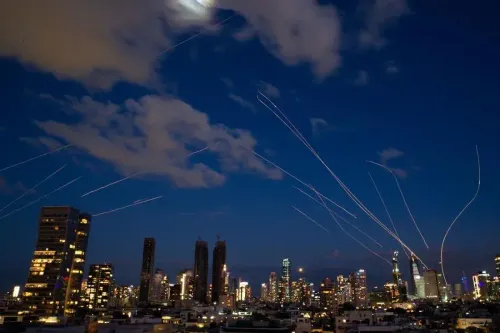
Iran's Islamic Revolutionary Guard Corps (IRGC) stated on Sunday that its aerospace force had launched ballistic missiles at the Ramat David Air Base in northern Israel, citing Israel's 'widespread crimes' in southern Lebanon. The IRGC continued operations on Monday, targeting the Nevatim and Tel Nof air bases as well as certain industrial facilities inside Israel.
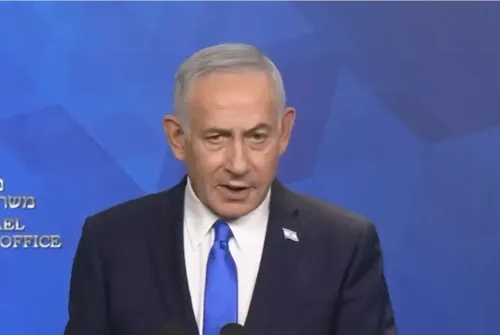
Israel, in turn, carried out airstrikes on multiple targets in Iran, including a petrochemical company in the southwestern province of Khuzestan. Israel reportedly halted its strikes at the request of US President Donald Trump, according to local media citing a senior Israeli official. That same official reportedly warned that Beirut's southern suburbs would be targeted if Hezbollah continued attacks on Israeli towns.
US Role and Iran's Accusation
The Khatam al-Anbiya headquarters directly accused the United States of backing Israeli operations and stated that Israel 'should have learned its lesson' from Iran's military response. Separately, an Iranian military source was quoted by the Tasnim news agency as saying — earlier in the day — that Iran was prepared for a long-term war with Israel and ready to 'deal blows' to US interests. That statement preceded the formal halt announcement, suggesting a shift in Tehran's posture within hours.
What Comes Next
The cessation announcement stops short of a formal ceasefire agreement and is conditional on Israeli conduct. With Hezbollah's posture in Lebanon still unresolved and the US acting as an informal backstop for Israeli restraint, the pause is fragile. Regional observers will watch whether diplomatic channels — which Pezeshkian explicitly referenced — can translate the operational halt into a durable de-escalation.
Point of View
A formulation designed for domestic consumption as much as deterrence. The more telling signal is Pezeshkian's explicit invocation of diplomacy alongside defence: Tehran is signalling it wants an off-ramp without appearing to have been forced into one. The US role is the understated pivot — if Trump's intervention genuinely restrained Israel, it means Washington is a silent party to whatever arrangement holds. That makes the durability of this pause entirely dependent on a dynamic — US-Israel-Iran triangulation — that has no formal architecture and no verification mechanism.
NationPress
25 Sept 2026
Frequently Asked Questions
Why did Iran announce a halt to military operations against Israel?
Iran's Khatam al-Anbiya Central Headquarters announced the halt on 8 June following a round of strikes and counter-strikes, framing it as a response to Israeli attacks in southern Lebanon and the Dahieh district of Beirut. The statement did not describe it as a ceasefire but conditioned the halt on Israel refraining from further aggression.
What strikes did Iran carry out before the halt?
The IRGC launched ballistic missiles at Israel's Ramat David Air Base on Sunday, then targeted the Nevatim and Tel Nof air bases along with certain industrial facilities on Monday. The strikes were described as retaliation for Israeli operations in southern Lebanon.
How did Israel respond to Iran's missile attacks?
Israel carried out airstrikes on multiple targets inside Iran, including a petrochemical company in the southwestern province of Khuzestan. Israel reportedly halted further strikes at the request of US President Donald Trump, according to a senior Israeli official cited in local media.
What did Iranian President Masoud Pezeshkian say about the situation?
Pezeshkian posted on X on Monday stating that Iran had 'neither abandoned the field nor the negotiating table.' He said diplomacy and defence were 'the two wings of national power' and that Iran would defend its national rights without retreating in the face of threats.
Is the halt a formal ceasefire between Iran and Israel?
No. The announcement is a unilateral operational halt by Iran's military command, not a bilateral ceasefire agreement. It is explicitly conditional — Iran warned that any further Israeli aggression would trigger a 'severe and crushing' response, leaving the pause fragile and subject to developments on the ground in Lebanon and elsewhere.