Netanyahu Claims Iran Targets Civilians While Israel Fights Terrorism
Synopsis
Israeli PM Netanyahu emphasizes the stark contrast between Iran's civilian-targeting actions and Israel's focus on mass terrorism, defending recent military actions and praising President Trump's leadership. He warns of Iran's escalating military capabilities and the urgency for action to protect global security.
Key Takeaways
Netanyahu accuses Iran of targeting civilians.
Israel and the U.S. focus on addressing mass terrorism.
Recent military actions are deemed necessary by Netanyahu.
Iran is reportedly constructing new underground military facilities.
Immediate action against Iran is portrayed as critical for global security.
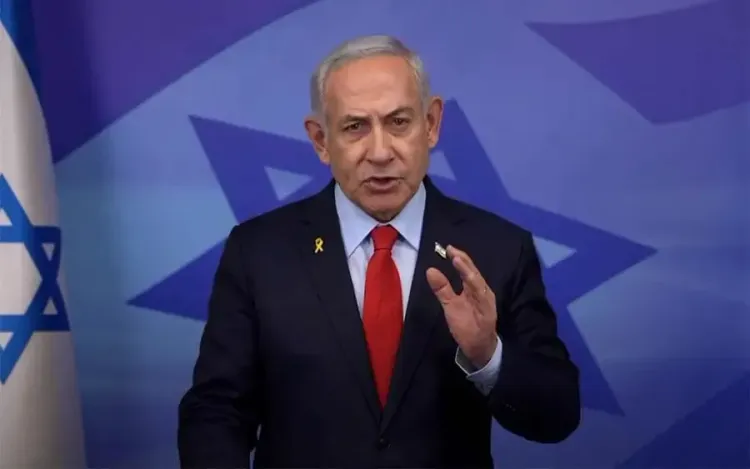
On March 3, in Washington, Israeli Prime Minister Benjamin Netanyahu asserted that Iran intentionally targets civilians, while both Israel and the United States concentrate on combating "mass terrorists." In an interview with Sean Hannity on Fox News, Netanyahu expressed his concerns regarding Iranian ballistic missile attacks in vivid detail.
He referred to the missiles as being comparable to a truck or a bus filled with explosives, capable of traveling at Mach 8 and crashing into civilian areas, leading to tragic consequences such as the murder of nine individuals at a synagogue.
Netanyahu emphasized a stark contrast between Tehran and its opponents, stating, "The mass murderers in Tehran aim for civilians, whereas we in Israel and America focus on targeting mass terrorists."
He underscored the necessity of recent military actions, pointing out that Iran has been unyielding in advancing its military capabilities despite previous attacks on its nuclear and ballistic missile facilities.
"We had to act because, following our strikes on their nuclear sites, you would think they would learn. But they haven't; they are fundamentally fanatical in their goal of destroying America," he remarked.
According to Netanyahu, Iran is constructing new underground facilities intended to protect its military programs from any future assaults. "They are building new underground bunkers, making their ballistic missile and atomic bomb programs immune within months," he stated.
Netanyahu cautioned that without immediate action, Iran could threaten the U.S. and blackmail it, potentially endangering everyone else in the region. "Immediate action was imperative, and we required a resolute leader like Donald J. Trump to take it. We are his strong and capable partners," he affirmed.
He concluded by stating that the alliance's strength necessitated prompt action, ensuring that the Iranian regime would not gain immunity from future interventions or regional confrontations.
Point of View
The statements from Prime Minister Netanyahu highlight the ongoing tensions in the region and the complexities of international relations. The focus on Iran's actions versus Israel's military strategy reflects a broader narrative on how countries justify their military engagements in the face of perceived threats.
NationPress
10 Oct 2026
Frequently Asked Questions
What did Netanyahu say about Iran's military actions?
Netanyahu stated that Iran deliberately targets civilians, contrasting it with Israel's focus on mass terrorists.
How does Netanyahu describe Iranian missile attacks?
He likened Iranian ballistic missiles to a truck full of explosives that can cause significant civilian casualties.
What does Netanyahu believe about Iran's military capabilities?
He believes Iran is advancing its military capabilities despite previous strikes on its nuclear facilities.
What was Netanyahu's view on U.S. President Trump's leadership?
Netanyahu praised Trump as a resolute leader necessary for taking decisive actions against Iran.
What are the potential consequences of inaction against Iran, according to Netanyahu?
He warned that failing to act could allow Iran to threaten the U.S. and gain immunity from future military actions.