North Korea slams US-Japan-South Korea 'military collusion' as threat to regional stability
Synopsis
North Korea's defence ministry has issued a dual condemnation — targeting both the Washington trilateral defence chiefs meeting and the ongoing RIMPAC exercises — warning that US-led military integration in the Asia-Pacific will trigger 'proportional countermeasures.' With South Korea leading RIMPAC's maritime command for the first time, Pyongyang's rhetoric is sharper and more specific than usual.
Key Takeaways
North Korea's Ministry of National Defence condemned US-Japan-South Korea 'military collusion' via KCNA on 18 July .
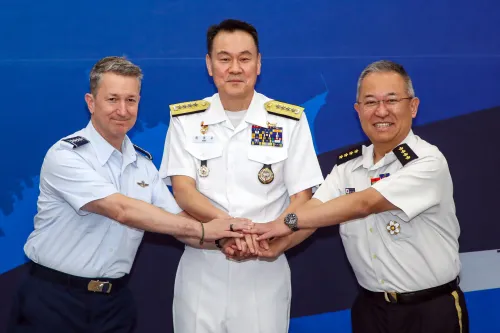
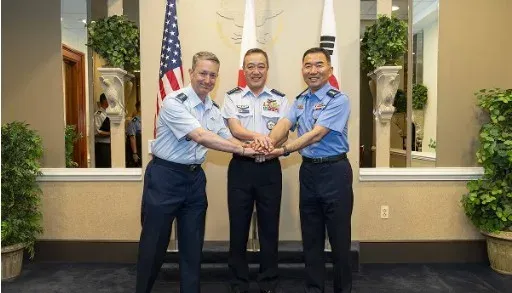
The statement was triggered by the Trilateral Chiefs of Defence meeting held in Washington on Wednesday.
Pyongyang warned its armed forces will 'never allow an imbalance of force' in the region.
North Korea separately called the RIMPAC exercise a 'war rehearsal,' warning it will trigger a 'chain of proportional countermeasures.' RIMPAC runs from 24 June to 31 July , involving more than 25,000 personnel from 31 countries ; South Korea is leading the combined maritime component command for the first time.
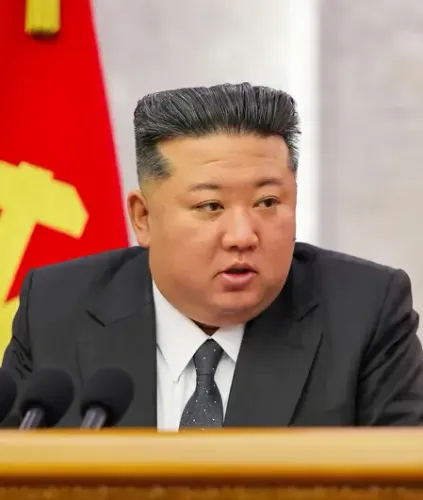
North Korea has sharply condemned what it calls 'military collusion' among the United States, Japan, and South Korea, warning that intensified trilateral defence cooperation threatens peace across the Korean Peninsula and the broader Asia-Pacific region. The criticism, issued on Saturday, 18 July, came from the country's Ministry of National Defence via the official Korean Central News Agency (KCNA).
What Triggered the Statement
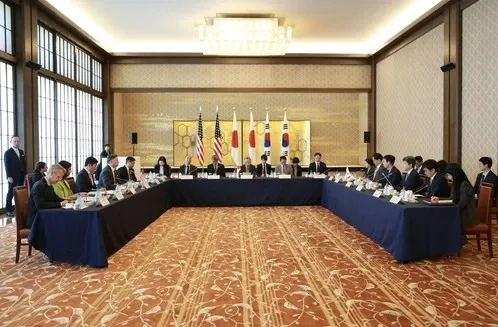
The immediate provocation, according to Pyongyang, was the Trilateral Chiefs of Defence meeting held on Wednesday in Washington, which brought together the defence chiefs of the three allied nations. A ministry spokesman charged that the gathering was designed to 'attain military superiority in the region and seek hegemonic geopolitical interests through intensified trilateral military cooperation.'
The spokesman described the alliance's military activities as 'the root cause of undermining peace and stability in the Korean Peninsula and the Asia-Pacific region,' according to the KCNA statement.
North Korea's Military Warning
Pyongyang went further, pledging that its armed forces would 'never allow an imbalance of force' arising from what it called the US-Japan-South Korea 'military nexus.' The spokesman stated that the country's military would 'always remain faithful to the constitutional mission to neutralise the actual security challenges and potential threats and reliably defend the security of the country and the regional peace.'
The language signals that North Korea views the trilateral framework not as a defensive arrangement but as a direct strategic threat — a characterisation Pyongyang has consistently maintained as US-allied military integration has deepened in recent years.
RIMPAC Exercise Draws Separate Condemnation
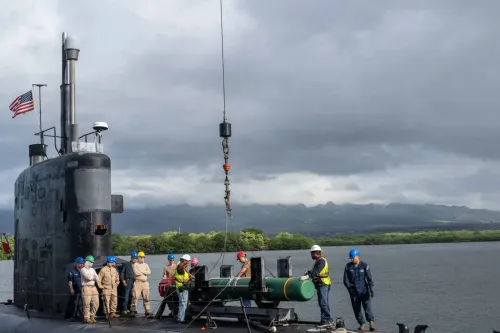
Separately, North Korea on Friday denounced the ongoing Rim of the Pacific Exercise (RIMPAC), a US-led multinational military drill currently underway in Hawaii. State media carried the condemnation in an op-ed, calling RIMPAC a 'war rehearsal spearheaded by the US and its followers to target regional states deemed primary obstacles to realising its Asia-Pacific strategy.'
The KCNA warned that 'reckless behaviour of these international hooligans is bound to trigger a chain of proportional countermeasures by regional countries to deter and manage the threat decisively.' RIMPAC began on 24 June and runs through 31 July, involving more than 25,000 personnel from 31 countries, including South Korea — which this year leads the combined maritime component command, marking the first time an Asian country has done so.
Broader Context
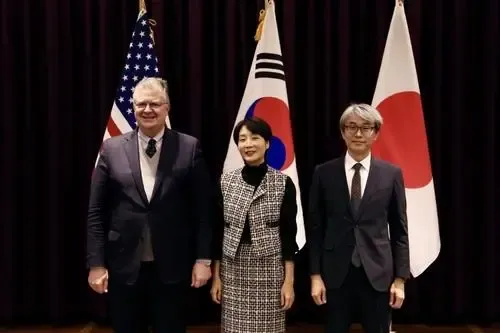
North Korea's dual condemnation — of the Washington defence meeting and of RIMPAC — reflects a pattern of escalating rhetoric each time US-allied military coordination visibly intensifies in the region. This comes amid an already fraught security environment on the Korean Peninsula, where dialogue between Pyongyang and Washington has remained stalled. The trilateral US-Japan-South Korea defence architecture has grown significantly since a landmark summit in Camp David in 2023, and North Korea has consistently framed each step in that integration as a provocation warranting a response.
How Pyongyang translates this rhetoric into concrete 'countermeasures' — whether through missile tests, military posturing, or diplomatic pressure — will be closely watched in the weeks ahead.
Point of View
Not impulsive. Pyongyang issues such statements to signal domestic resolve and to lay rhetorical groundwork for future military actions it can frame as 'countermeasures.' What is notable here is the specificity: calling out South Korea's first-ever leadership of RIMPAC's maritime command suggests Pyongyang is tracking alliance milestones closely. The real question is whether this remains rhetorical or precedes a provocation timed to RIMPAC's closing days. Past patterns — missile tests timed to allied exercises — suggest the latter cannot be dismissed.
NationPress
17 Oct 2026
Frequently Asked Questions
Why did North Korea condemn the US-Japan-South Korea trilateral meeting?
North Korea condemned the Trilateral Chiefs of Defence meeting held in Washington on Wednesday, alleging it was aimed at achieving military superiority in the region and advancing what Pyongyang called 'hegemonic geopolitical interests.' The country's Ministry of National Defence said the trilateral military cooperation is the 'root cause of undermining peace and stability' on the Korean Peninsula.
What is RIMPAC and why is North Korea criticising it?
RIMPAC, or the Rim of the Pacific Exercise, is a US-led multinational military drill running from 24 June to 31 July in Hawaii, involving more than 25,000 personnel from 31 countries. North Korea has called it a 'war rehearsal' targeting regional states and warned it will trigger 'proportional countermeasures.'
What did North Korea threaten in response to these military activities?
North Korea's defence ministry stated its armed forces would 'never allow an imbalance of force' resulting from the US-Japan-South Korea military nexus. It also warned that RIMPAC would trigger a 'chain of proportional countermeasures by regional countries.'
What is significant about South Korea's role in RIMPAC this year?
South Korea is leading the combined maritime component command at RIMPAC 2025, making it the first Asian country to hold that role. North Korea's state media specifically highlighted this development in its condemnation of the exercise.
How does this fit into the broader North Korea-US relations picture?
The condemnations come amid a prolonged stalemate in diplomatic engagement between Pyongyang and Washington. The US-Japan-South Korea trilateral defence framework has expanded significantly since the Camp David summit in 2023, and North Korea has consistently framed each step in that integration as a direct provocation warranting a military or rhetorical response.