UN Reports Over 2,000 Fatalities from Health Care Attacks in Sudan Since 2023
Synopsis
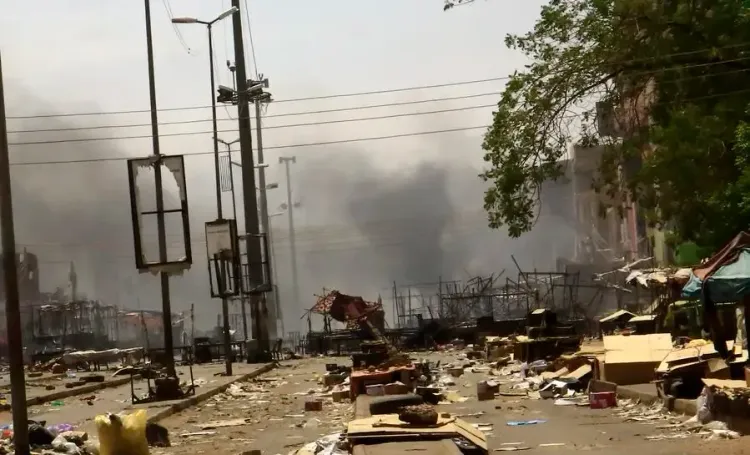
A recent report from UN agencies reveals that more than 2,000 individuals have been killed in attacks on health care facilities in Sudan since the conflict began. This alarming trend underscores the urgent need for protection in conflict zones.
Key Takeaways
2,042 deaths reported due to attacks on health care in Sudan.
785 injuries recorded since the conflict began.
UN agencies emphasize the need for protection of health care workers and facilities.
The ongoing conflict has led to severe humanitarian crises, including food insecurity .
UN anticipates 33.7 million people will require humanitarian aid this year.
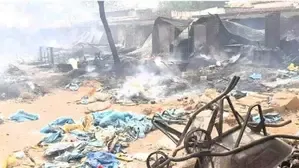
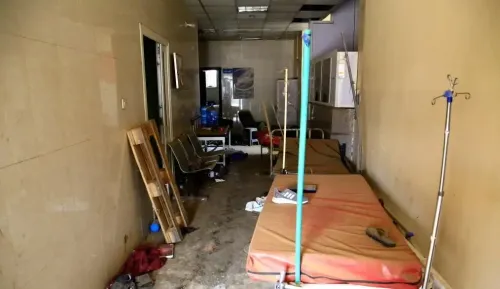
Khartoum, April 5 (NationPress) A staggering total of 2,042 individuals have lost their lives and 785 have been injured due to 214 assaults on health care facilities in Sudan since the onset of conflict nearly three years ago, as reported by two UN agencies.
In a collective statement released on Saturday (local time), the World Health Organization (WHO) and the UN Children's Fund (UNICEF) highlighted that 184 fatalities and 295 injuries were recorded in just the first quarter of this year, raising alarm over the escalating magnitude and frequency of such attacks in regions plagued by conflict.
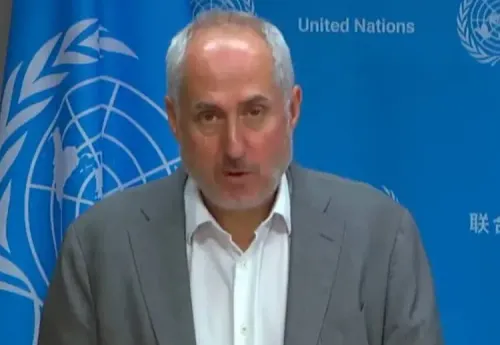
“These assaults significantly hinder access to essential health care when it is most needed,” stated WHO Representative to Sudan Shible Sahbani, urging for the safeguarding of both patients and health professionals.
UNICEF Representative Sheldon Yett emphasized that attacks on medical facilities “are a serious infringement on children's rights,” noting that they deny children vital services and protection during critical moments, according to reports from Xinhua news agency.
The organizations asserted that assaults on medical facilities, personnel, and patients contravene international humanitarian law and exacerbate an already dire humanitarian crisis. They appealed to all involved parties to honor and safeguard health care, ensuring the safety of civilians and humanitarian workers while allowing continued access to crucial services.
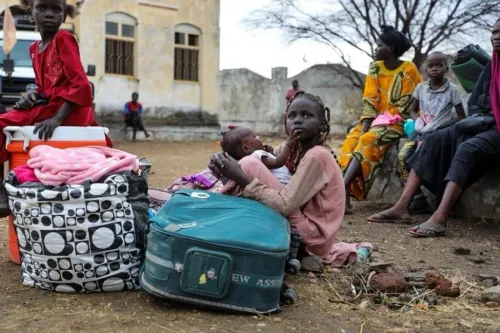
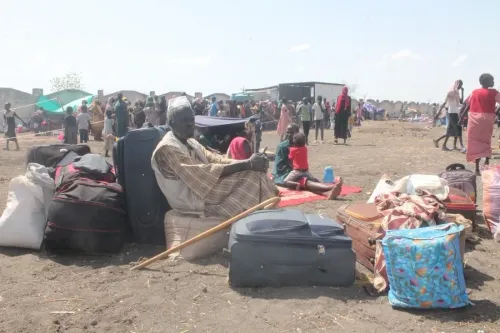
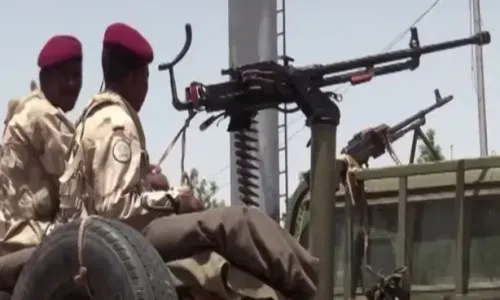
Since mid-April 2023, clashes between the Sudanese Armed Forces and the paramilitary Rapid Support Forces have resulted in tens of thousands of deaths and the displacement of millions, as reported by international organizations.
In a related development, the UN reopened its headquarters in Khartoum on Thursday, alongside the resumption of operations by the UN Development Programme (UNDP), marking a gradual return to its activities after nearly three years of suspension due to the conflict outbreak in the country.
Attendees at the reopening ceremony included Sudan's Minister of Foreign Affairs and International Cooperation Mohi El-Din Salem, UN officials, and representatives of the Khartoum State government.
In a statement, the Sudanese minister noted that the reopening signals a revival of cooperation between the Khartoum State government and the UN, describing it as a “positive sign” of renewed international collaboration and support for the country’s stabilization efforts.
Xu Haoliang, Associate Administrator of the UNDP, remarked that the return of UN agencies to Khartoum signifies crucial support for Sudan in this current phase.
Xu elaborated that the UNDP is focusing on humanitarian responses while enhancing the capacities of national institutions and local communities, contributing to recovery and reconstruction efforts.
The UN had previously relocated a significant portion of its operations away from Khartoum, yet continued some humanitarian activities through field offices in other states amid substantial challenges linked to access and the degradation of infrastructure and basic services.
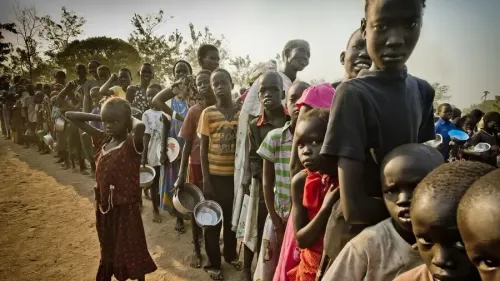
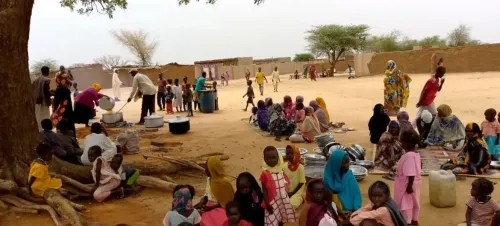
Sudan is confronting one of the most severe humanitarian crises in the region. The ongoing conflict has internally and externally displaced millions, alongside a significant decline in health and education services and a surge in food insecurity.
Previously, the UN had warned of escalating humanitarian demands in Sudan as the war nears its third anniversary.
The Sudan Humanitarian Response Plan for 2026, recently unveiled by the UN, indicates that approximately 33.7 million people in Sudan will require humanitarian assistance this year, marking an increase of 3.3 million compared to 2025.
Point of View
It is crucial to emphasize the urgent need for international attention and action regarding the humanitarian crisis unfolding in Sudan. The increasing violence against health care facilities not only endangers lives but also undermines the essential services needed for recovery and stability in the region.
NationPress
19 Sept 2026
Frequently Asked Questions
How many attacks on health care facilities have occurred in Sudan since the conflict began?
There have been 214 attacks on health care facilities in Sudan since the conflict started nearly three years ago.
What do UN agencies say about the impact of these attacks?
UN agencies report that these attacks severely restrict access to health care and violate international humanitarian law.
What are the consequences of the ongoing conflict in Sudan?
The ongoing conflict has resulted in tens of thousands of deaths, millions displaced, and a significant decline in health and education services.
How many people are projected to need humanitarian assistance in Sudan this year?
Approximately 33.7 million people in Sudan are expected to require humanitarian assistance this year.
What recent developments have occurred regarding UN operations in Sudan?
The UN recently reopened its headquarters in Khartoum and resumed operations of the UN Development Programme after nearly three years.