What Has Led to Over 500,000 People Being Displaced in South Kivu?
Click to start listening
Synopsis
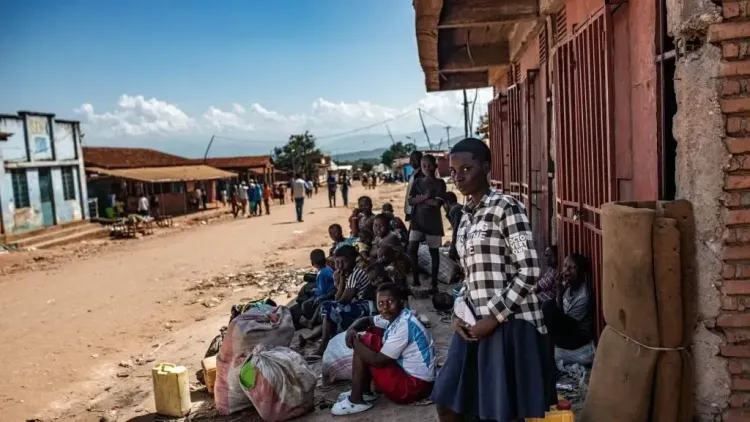
The ongoing violence in South Kivu has led to the displacement of over 500,000 people, raising urgent concerns for child safety. As hostilities escalate, the humanitarian situation worsens, requiring international attention and action.
Key Takeaways
- Over 500,000 people displaced in South Kivu due to violence.
- UNICEF expresses deep concern for child safety.
- Significant influx of refugees into Burundi.
- M23 rebel group captures key cities.
- Strategic implications for eastern DRC's stability.
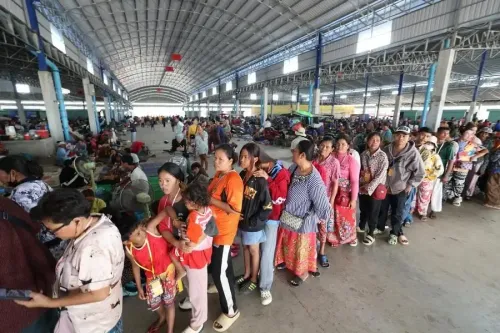
Kinshasa, Dec 15 (NationPress) More than 500,000 individuals, including over 100,000 minors, have fled their homes since December 1 due to escalating violence in South Kivu Province, located in the eastern Democratic Republic of the Congo (DRC), as reported by the United Nations Children's Fund (UNICEF).
In an official statement, UNICEF expressed its profound concern regarding the swift increase in hostilities within South Kivu, which has compelled hundreds of thousands of children and families to seek refuge, both within DRC and across borders into neighboring Burundi and Rwanda.
UNICEF urged all conflicting parties to safeguard children and adhere to their responsibilities under international humanitarian law.
With the ongoing violence, it is anticipated that the number of displaced individuals will continue to grow. UNICEF noted that since December 2, heavy fighting in South Kivu has resulted in the deaths of hundreds, including at least four children.
A sudden surge of individuals fleeing the conflict has also been reported in neighboring Burundi. From December 6 to December 11, over 50,000 new arrivals were documented, with nearly half being children. This number is likely to rise as authorities continue to assist those seeking asylum, as indicated by UNICEF.
Earlier this week, the March 23 Movement (M23) rebel faction declared that it had captured Uvira, the second-largest city in South Kivu near the Burundian frontier, during the latest wave of assaults in the region.
Uvira, which was serving as the provisional administrative center for South Kivu after the provincial capital, Bukavu, fell to the M23 in February, is a significant commercial hub near the Burundian border and holds considerable strategic importance in eastern DRC, as reported by Xinhua news agency.
Experts and local sources cautioned that the loss of Uvira may eventually create a pathway toward DRC's southeastern provinces, including Haut-Katanga, which is an essential economic area, as clashes between M23 insurgents and DRC government forces have been noted further south in Baraka and Fizi.
Point of View
I emphasize that the plight of over 500,000 displaced individuals, particularly children, in South Kivu cannot be overlooked. The international community must unite to protect vulnerable populations and restore peace in this troubled region.
NationPress
15/12/2025
Frequently Asked Questions
How many people have been displaced in South Kivu?
Over 500,000 individuals have been displaced since December 1 due to fighting.
What role does UNICEF play in this crisis?
UNICEF is actively raising awareness and calling for the protection of children affected by the conflict.
Which neighboring countries are affected by this displacement?
The displacement has affected neighboring countries, including Burundi and Rwanda.
What is the significance of Uvira in this conflict?
Uvira is a strategic commercial hub and was the provisional administrative center for South Kivu.
What are the expected trends in displacement figures?
Displacement figures are anticipated to rise further as violence continues.