Unlikely Prospects for a Sustainable Resolution in the Pakistan-Afghanistan Conflict: Analysis
Synopsis
The conflict between Pakistan and Afghanistan is escalating, following a series of retaliatory military actions. As Islamabad and Kabul engage in hostilities, hopes for a lasting peace appear dim amid the lack of third-party mediation efforts.
Key Takeaways
Pakistan and Afghanistan's relations have sharply deteriorated since the Taliban's return to power.
Military actions have escalated, resulting in significant casualties on both sides.
Economic pressures may be used as a tool by Pakistan against Afghanistan.
The prospect for third-party mediation appears bleak amid current regional tensions.
Canberra, March 7 (NationPress) The persistent strife between Pakistan and Afghanistan signifies a significant decline in their diplomatic relations, a trend that has intensified since the Taliban regained authority in August 2021. A report indicates that Islamabad has previously executed substantial airstrikes targeting Tehreek-e-Taliban Pakistan (TTP) militants within Afghanistan, particularly noted in December 2024.
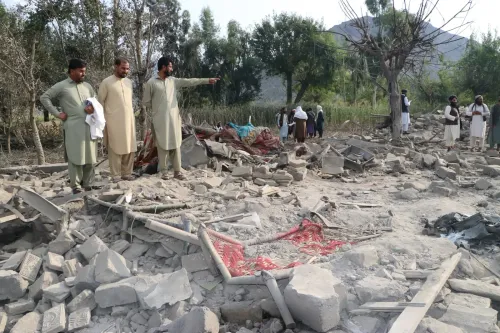
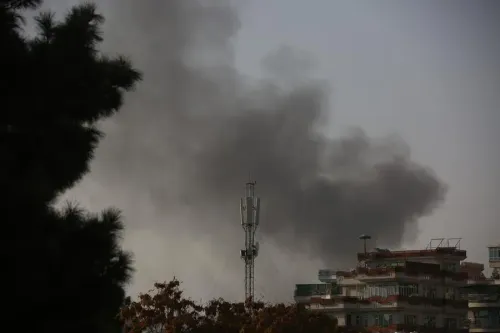
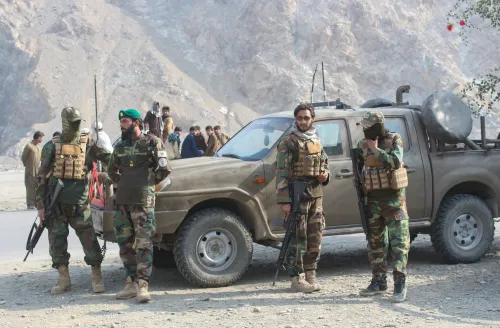
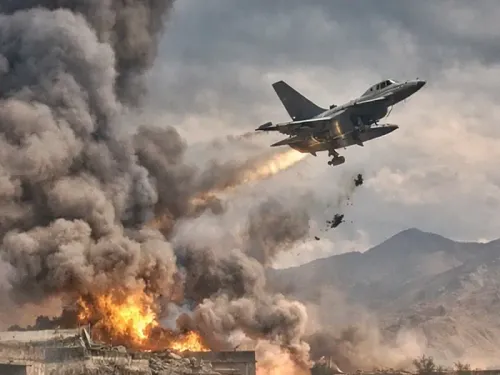
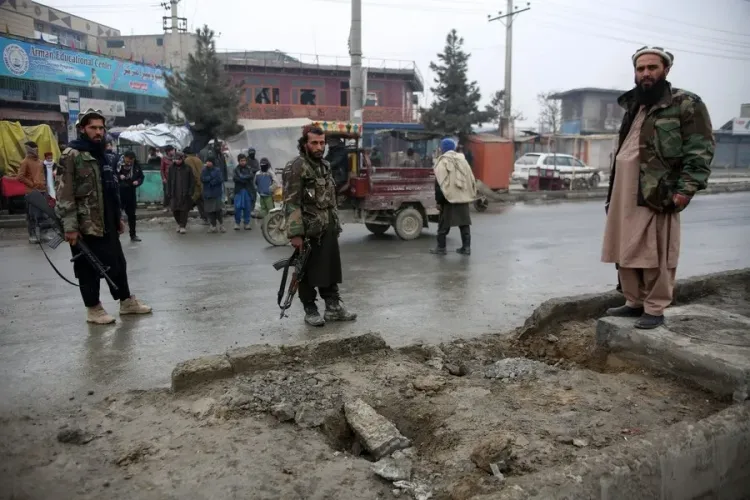
On February 26, Afghan forces conducted extensive offensives on numerous Pakistani border installations, which the Afghan administration claims were retaliatory actions against Pakistan's airstrikes on TTP strongholds in early February. In response, Islamabad retaliated with bombings across 22 urban and military sites in Kabul, Kandahar, Paktia, Nangarhar, Khost, and Paktika provinces, as reported by the Australian think tank Asialink.
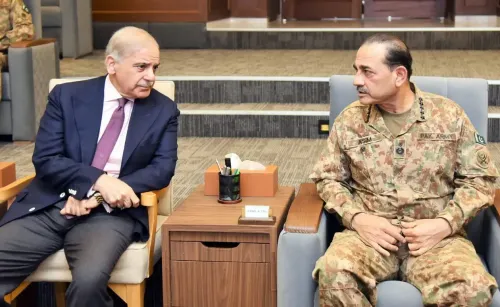
According to Lieutenant General Ahmed Sharif Chaudhry, a spokesperson for the Pakistani military, the report states that 274 Taliban fighters have been killed and over 400 injured, with 73 Afghan posts along the Pakistan-Afghanistan border being destroyed and 18 overtaken. Pakistan's Defence Minister Khwaja Asif described the escalating conflict as having transformed into an 'open war.'
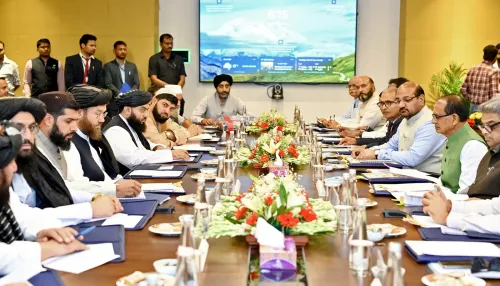
The report mentions that the last significant military engagement between these nations took place in October 2025, ending in a ceasefire facilitated by Turkey and Qatar. Despite following negotiations, a durable peace agreement has yet to be established.
In the recent conflicts, Pakistan's air force targeted Taliban military sites in Kabul, underlining Islamabad's unwavering stance regarding the Taliban's refusal to remove the TTP from its territory.
The report adds that Pakistan possesses additional leverage beyond its military capabilities. It could tighten access across its lengthy 2600-kilometer border. The key border crossings at Torkham and Chaman contribute approximately 40 percent of Afghanistan's customs revenue. By increasing tariffs beyond the current 10 percent and implementing stricter import limitations, Pakistan would economically pressure the Taliban to cease support for the TTP.
Furthermore, Pakistan might escalate the number of Afghan refugees it forcibly repatriates, exacerbating Afghanistan's economic difficulties. In 2025 alone, 930,000 Afghan nationals were returned, with 67 percent of those being forcibly repatriated.
The report emphasizes the apparent lack of initiative from third-party nations to foster peace discussions between the two countries.
While Saudi Arabia and Qatar have offered to mediate a ceasefire, their attention is currently diverted by their domestic concerns, particularly due to Iranian reprisals in its conflict with Israel and the US. Consequently, as seen in prior mediation attempts in 2025, the prospect of achieving a lasting solution to the recent hostilities remains exceedingly slim.
Point of View
It's vital to recognize the gravity of the ongoing conflict between Pakistan and Afghanistan. The lack of diplomatic engagement and the escalation of military actions indicate a troubling trend. A nation's stability hinges on dialogue, and the current situation calls for urgent international attention to foster peace.
NationPress
17 Oct 2026
Frequently Asked Questions
What triggered the recent escalation in the Pakistan-Afghanistan conflict?
The latest escalation was triggered by Afghan forces attacking Pakistani border posts in retaliation for airstrikes carried out by Pakistan on TTP positions in Afghanistan.
How many casualties have been reported in the recent conflict?
Reports indicate that 274 Taliban personnel have been killed, with over 400 injured during the recent military engagements.
What role have third-party countries played in mediation efforts?
Third-party countries like Saudi Arabia and Qatar have offered to mediate a ceasefire, but their focus has shifted to domestic issues, limiting their involvement in peace talks.
What economic pressures could Pakistan impose on Afghanistan?
Pakistan could tighten border controls and increase tariffs, which would create economic strain on Afghanistan as it relies heavily on customs revenue from these crossings.
Is there a likelihood of a lasting peace agreement?
Despite previous ceasefires and negotiations, the report suggests that the chances of achieving a lasting peace agreement remain quite low.