Unmasking Historical Denial: Pakistan and Jamaat's Evasion of 1971 War Crimes
Synopsis
As the Bangladesh Liberation War fades into history, Pakistan and Jamaat-e-Islami continue to evade responsibility for their atrocities. This article unveils their calculated obfuscation and the implications for accountability.
Key Takeaways
Pakistan and Jamaat-e-Islami continue to evade responsibility for 1971 atrocities.
The term “ regret ” is used to deflect accountability.
Jamaat’s actions during the war are a significant part of its legacy.
Symbolic gestures by Jamaat are viewed as hypocritical .
Honest confrontation of the past is essential for national healing.
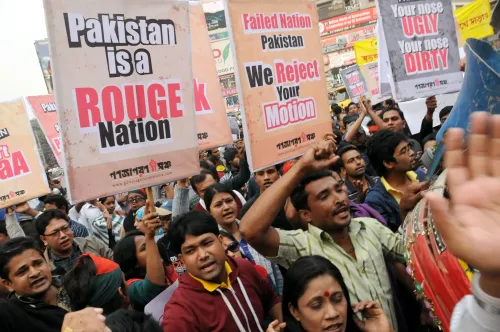
Dhaka, April 7 (NationPress) The failure to provide a clear and unconditional apology for the atrocities committed during the 1971 Bangladesh Liberation War by Pakistan and its former ally, the radical Islamist party Jamaat-e-Islami, signifies not only a historical neglect but also a deliberate ongoing act of evasion.
Years after the conflict, the matter extends beyond mere history, indicating a conscious unwillingness veiled in political convenience and carefully crafted language, as highlighted in a recent report.
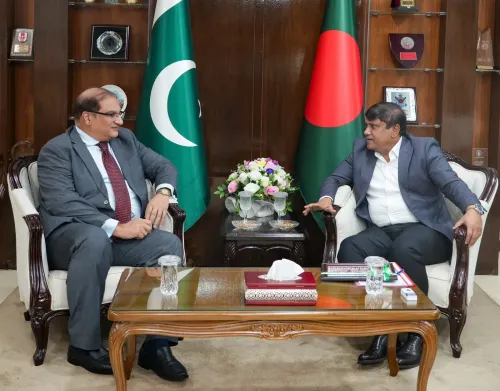
The 'Times of Bangladesh' points out that Pakistan has consistently demonstrated how it can evade accountability for war crimes, often opting for the calculated term “regret” to serve its own interests.
“Regret is merely a superficial expression of sorrow that lacks the weight of a true apology. It aims to lessen accountability while sidestepping the moral and legal implications of the term 'genocide'. This is not genuine regret; it is a deliberate obfuscation, a refusal to state the truth due to the overwhelming consequences it would entail,” the report elaborated.
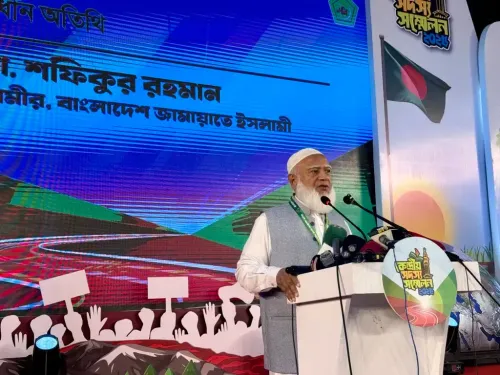
“While Pakistan's denial may stem from distance, Jamaat-e-Islami's position is far more blatant and aggressive. This is not a foreign nation attempting to obscure its past; it is a political entity operating within Bangladesh that refuses to acknowledge its role during one of the darkest chapters in the nation’s history,” it continued.
The report explains that Jamaat not only opposed Bangladesh's quest for independence in 1971 but also aligned itself with the Pakistani military, becoming complicit in the brutality against countless civilians. This is not an insignificant detail; it is a crucial aspect of its political legacy.
“Rather than confronting its history, Jamaat has mastered the art of political transformation. It issues vague comments that sound like apologies but crumble under scrutiny. These are not admissions of guilt; they are crafted statements designed to mislead and create doubt, allowing avoidance of accountability. It’s not about remorse; it’s about managing public perception,” it noted.
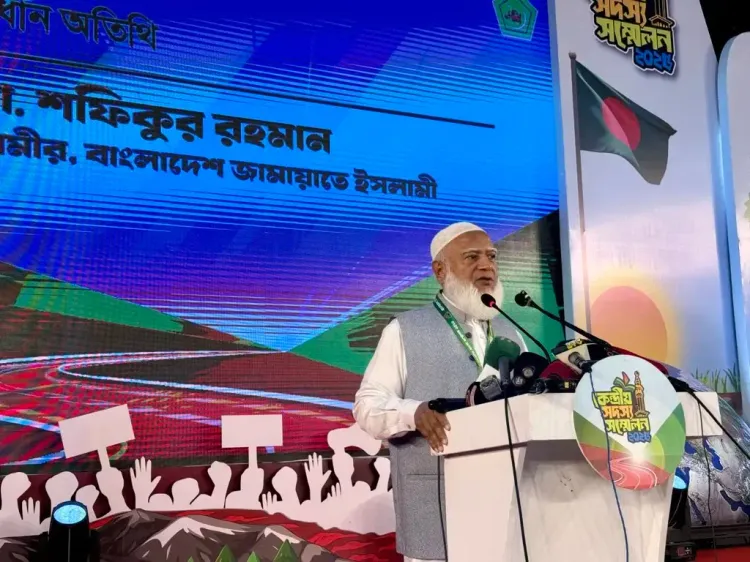
The report emphasized that Jamaat's hypocrisy is further highlighted by its symbolic politics, stating that the party’s recent homage to the martyrs of the Liberation War at the National Martyr's Memorial in Dhaka rings hollow.
This is due to the fact that Jamaat was on the “wrong side of history,” siding with Pakistan during the time when those martyrs lost their lives. Hence, their gestures are more about appropriation than genuine tribute.
The report concluded, “Pakistan must cease hiding behind empty rhetoric, and Jamaat-e-Islami must stop feigning sorrow and instead confront its past honestly. Until such time, their gestures—whether intended to express grief or respect—will remain what they truly are: calculated performances.”
Point of View
I present a balanced perspective on this critical issue. The ongoing denial by Pakistan and Jamaat-e-Islami regarding their historical actions during the 1971 Liberation War not only represents a failure of accountability but also highlights the need for a truthful dialogue about the past to foster national unity and healing.
NationPress
26 Sept 2026
Frequently Asked Questions
What atrocities were committed during the 1971 Bangladesh Liberation War?
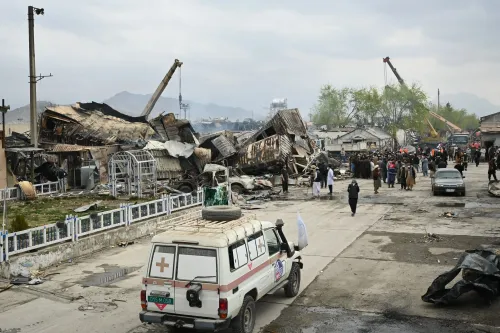
During the 1971 Bangladesh Liberation War, widespread atrocities including genocide, mass killings, and sexual violence were committed against civilians, particularly by the Pakistani military and their collaborators.
What role did Jamaat-e-Islami play during the war?
Jamaat-e-Islami opposed Bangladesh's independence and collaborated with the Pakistani military, contributing to the violence and oppression faced by the Bangladeshi population during the war.
Why is an apology important in this context?
An apology is crucial for acknowledging past wrongs, facilitating healing, and ensuring accountability for those responsible for war crimes, which is essential for national reconciliation.
How has Pakistan responded to accusations of war crimes?
Pakistan has often avoided direct accountability, using terms like 'regret' instead of issuing a formal apology, illustrating a calculated avoidance of responsibility for its actions during the war.
What implications does this denial have for Bangladesh's future?
The denial of accountability by Pakistan and Jamaat-e-Islami could hinder national healing and reconciliation, perpetuating divisions within Bangladeshi society and affecting the country’s political landscape.