Pakistan's 1971 genocide silence clouds Bangladesh ties, report warns
Synopsis
Despite a post-Hasina diplomatic thaw, Bangladesh–Pakistan relations are stuck on an unresolved question: will Pakistan formally apologise for the 1971 genocide? The Diplomat's analysis argues that without that acknowledgement — and without the commercial infrastructure to replace India as a trade partner — the current warmth is geopolitical optics, not genuine normalisation.
Key Takeaways
Pakistan has yet to issue a formal apology for the 1971 genocide , which analysts identify as the single biggest obstacle to genuine Bangladesh–Pakistan normalisation.
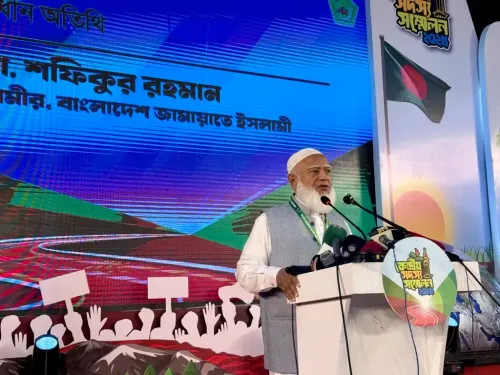
Relations were strained between 2008 and 2024 under Sheikh Hasina's government, partly over Jamaat-e-Islami war crimes trials that Pakistan publicly opposed.
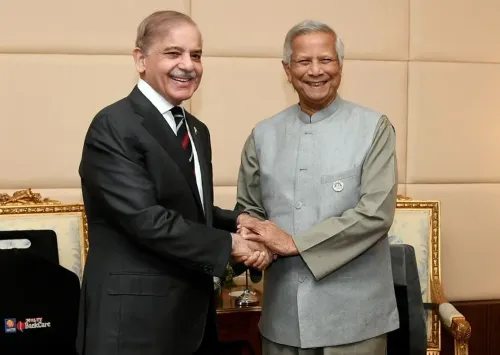
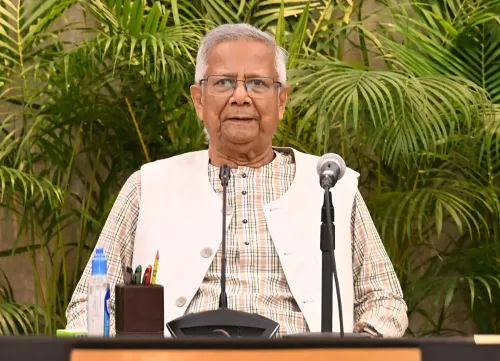
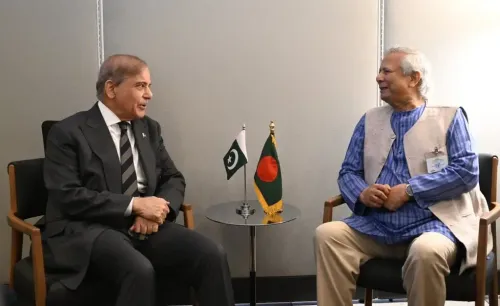
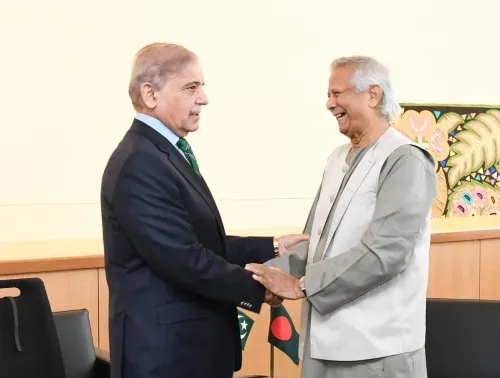
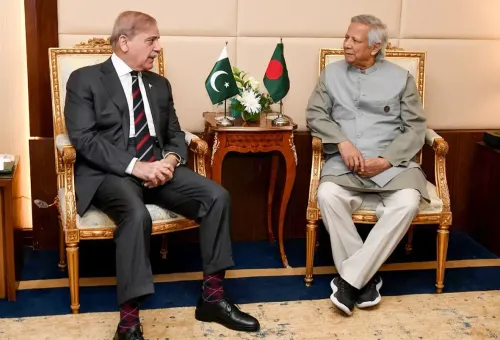
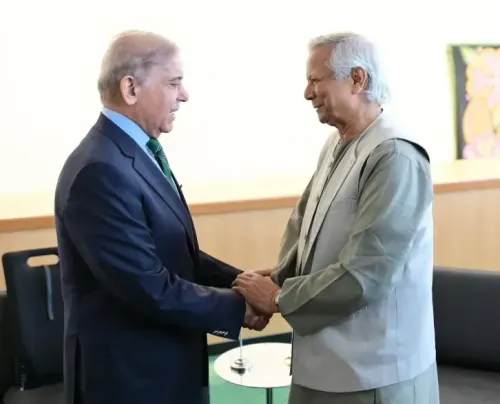
The political transition following Hasina's ouster led to increased ministerial and military visits under the Muhammad Yunus -led interim government.
According to The Diplomat , the recent diplomatic warmth is driven more by geopolitical calculations than by mutual trust.
Pakistan lacks the commercial infrastructure to serve as a viable alternative to India for Bangladesh's import needs.
Pakistan's alleged links to terrorist groups and regional instability raise further doubts about the benefits of deeper security cooperation for Dhaka .
Bangladesh–Pakistan relations, despite a recent uptick in diplomatic engagement, remain fundamentally constrained by Pakistan's refusal to issue a full, formal apology for the 1971 genocide against Bangladeshi civilians and intellectuals, according to an analysis published in The Diplomat. Unresolved disputes over assets owed to Dhaka compound the friction, making genuine normalisation a distant prospect.
The Historical Wound That Will Not Close
The 1971 war remains, according to the report, 'the greatest source of unease' in bilateral ties. Memories of atrocities perpetrated by Pakistani forces — including mass killings of Bangladeshi intellectuals and widespread violence against women — remain deeply embedded in public consciousness. The report notes that 'any initiative aimed at improving relations with Pakistan becomes inextricably intertwined with public sentiments,' with political parties on both sides historically exploiting the issue for domestic gain, further entrenching its sensitivity.
The Hasina Years: A Decade of Deliberate Distance
Relations between the two countries were deliberately kept at arm's length between 2008 and 2024, during the tenure of the Sheikh Hasina-led Awami League government in Bangladesh. The friction intensified over the trial and conviction of senior leaders of Jamaat-e-Islami, Bangladesh's radical Islamist party, on charges of crimes against humanity for alleged collaboration with Pakistani forces during the 1971 conflict. Pakistan repeatedly raised formal objections to those judicial proceedings, widening the rift further.
Post-Hasina Thaw: Diplomacy Without Trust
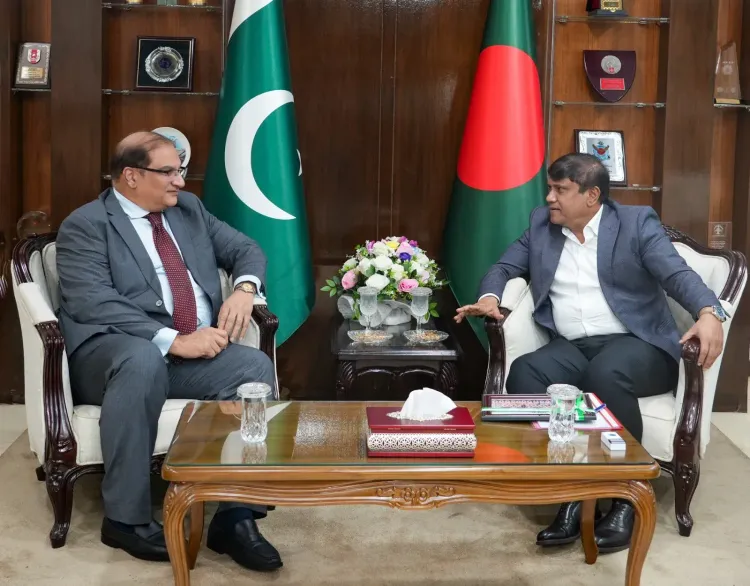
The political transition in Bangladesh following Hasina's ouster opened a new chapter. Under the interim government led by Muhammad Yunus, visits by Pakistani ministers and military officials to Dhaka increased noticeably, and diplomatic and military engagement between the two nations picked up pace. However, the report cautions that this warmth appears driven more by geopolitical calculations than by genuine mutual trust. 'While diplomatic exchanges may have increased, the psychological distance between the two nations remains significant,' the analysis states.
Structural Limits on Economic Partnership
Beyond history, the report identifies a practical barrier: Pakistan lacks the commercial infrastructure needed to meet Bangladesh's import requirements at scale. This makes it difficult for Islamabad to position itself as a credible economic alternative to India, regardless of political intent. Trade volume between the two countries remains limited, and no significant investment framework is currently in place.
Pakistan's Security Record as a Complicating Factor
Pakistan's security apparatus has drawn sustained international criticism over alleged state links to terrorist groups, the export of extremism, and chronic instability along its border with Afghanistan. These factors, the report argues, have damaged Pakistan's global standing and prompted analysts to question what tangible security benefits deeper cooperation could realistically offer Bangladesh. Until Islamabad formally acknowledges its culpability for 1971, a significant segment of Bangladeshi public opinion is likely to resist any substantive rapprochement.
Point of View
The structural case for deep Bangladesh–Pakistan economic ties is weak: Pakistan cannot meet Dhaka's import needs, cannot match India's geographic and commercial proximity, and carries a security reputation that makes defence cooperation a reputational liability. Until Islamabad addresses both the historical and the structural deficits, this relationship will oscillate between managed distance and performative warmth — never genuine partnership.
NationPress
26 Oct 2026
Frequently Asked Questions
Why has Pakistan not apologised for the 1971 genocide against Bangladesh?
Pakistan has not issued a full, formal apology for the atrocities committed by its forces against Bangladeshi civilians and intellectuals during the 1971 war, despite repeated calls from a significant segment of Bangladeshi public opinion. The Diplomat's analysis notes that this absence of acknowledgement is widely seen as the primary psychological and political barrier to genuine normalisation of ties.
How did Bangladesh–Pakistan relations change after Sheikh Hasina's ouster?
Following Hasina's removal, the interim government led by Muhammad Yunus saw a noticeable increase in visits by Pakistani ministers and military officials, alongside greater diplomatic and military engagement. However, analysts caution that this thaw reflects geopolitical repositioning rather than a resolution of underlying historical disputes.
Why were Bangladesh–Pakistan ties so strained between 2008 and 2024?
The Awami League government under Sheikh Hasina maintained deliberate distance from Pakistan, a tension that deepened over Bangladesh's war crimes trials of Jamaat-e-Islami leaders accused of collaborating with Pakistani forces in 1971. Pakistan formally objected to those proceedings on several occasions, further widening the rift.
Can Pakistan replace India as Bangladesh's primary trade partner?
According to The Diplomat's report, Pakistan lacks the commercial infrastructure required to meet Bangladesh's import needs at scale, making it difficult to position itself as a viable economic alternative to India. The trade relationship between the two countries remains limited and underdeveloped.
How does Pakistan's security record affect its relationship with Bangladesh?
Pakistan's security apparatus has faced sustained international criticism over alleged links to terrorist groups, the spread of extremism, and instability on its Afghan border. Analysts cited in the report argue these factors have damaged Pakistan's global image and raise serious questions about the benefits Bangladesh could realistically derive from deeper security cooperation with Islamabad.