Balochistan August 11 celebrations: Pakistan imposing internet shutdown, Section 144
Synopsis
Baloch activist Mir Yar Baloch alleges Pakistan has imposed an internet blackout from 7 to 30 August and Section 144 orders province-wide to prevent Balochistan's 79th Independence Day observances on 11 August — a flashpoint that exposes the decades-old, unresolved dispute over the region's annexation in 1948.
Key Takeaways
Mir Yar Baloch alleged on social media platform X that Pakistan imposed an internet shutdown from 7 August to 30 August and Section 144 restrictions across Balochistan .
The measures reportedly aim to suppress Balochistan's 79th Independence Day events on 11 August .
Baloch nationalists trace their independence claim to 1947 , when the princely state of Kalat declared independence before Pakistan's 1948 annexation.
Mir claimed Baloch armed groups represent the 'Defence, Security Forces, and military of Balochistan,' backed by 60 million Baloch people .
Mir called on the international community to recognise Baloch aspirations for self-determination.
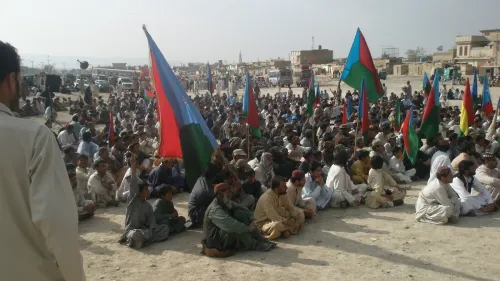
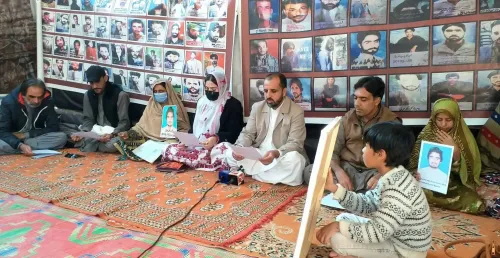
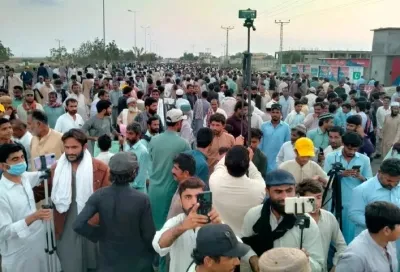
Leading Baloch human rights defender Mir Yar Baloch has accused the Pakistani military of deploying sweeping measures to suppress public gatherings and Independence Day events in Balochistan scheduled for 11 August, including an alleged internet blackout running from 7 August to 30 August and Section 144 restrictions imposed across the province.
What Mir Yar Baloch Alleged
In a post on social media platform X, Mir Yar Baloch alleged that Pakistani forces had enforced a province-wide internet shutdown and deployed additional troops ahead of Balochistan's 79th Independence Day on 11 August. He maintained, however, that no military deployment could indefinitely sustain Pakistan's presence in the region against the resolve of the Baloch people.
'The Republic of Balochistan rejects attempts to characterise the Baloch people as militants or separatists. The Baloch freedom fighters constitute the Defence, Security Forces, and military of Balochistan, enjoying the confidence and endorsement of the sixty million Baloch people,' Mir stated.
He further claimed that operations by Baloch armed groups were aimed at 'dismantling and expelling Pakistan's alleged terrorist networks,' which they hold responsible for instability and violence across the province.
Historical Background of the Baloch Dispute
The Baloch independence movement traces its roots to 1947, when the princely state of Kalat made a short-lived declaration of independence following the partition of British India. In 1948, Pakistan forcibly annexed the region — a move that Baloch nationalists have continuously contested. Baloch human rights groups describe Pakistan's presence in the region as an 'illegal occupation,' a characterisation Islamabad rejects.
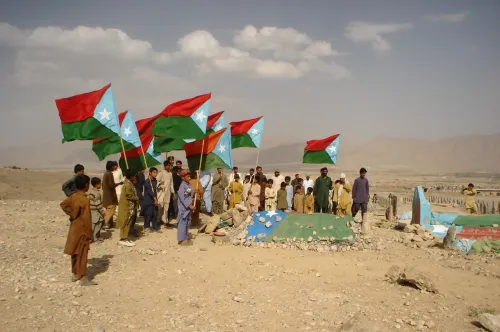
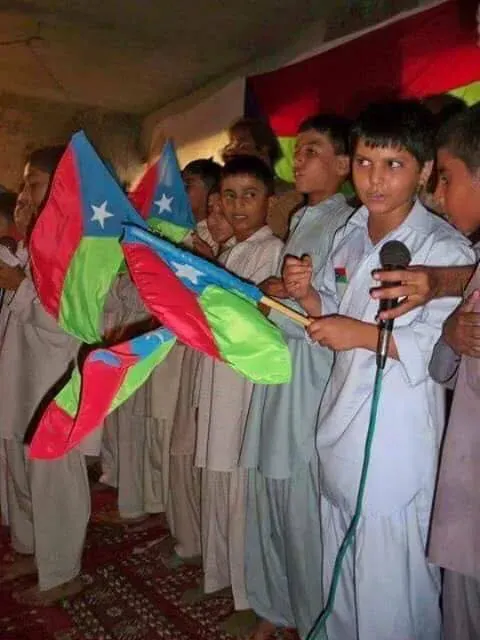
The annual 11 August observance has become a focal point for Baloch nationalist expression, with Pakistani authorities historically responding with restrictions on assembly and communication, according to Baloch rights groups.
People of Balochistan 'Refuse to Submit,' Says Activist
Mir stressed that the people of Balochistan remain resolute and refuse to comply with Section 144 orders or submit to what he described as repression by Pakistani authorities. He called on the international community to acknowledge the 'aspirations and verdict' of the Baloch people.
'We believe that the Baloch are the rightful owners of Balochistan and have resolved to free their homeland from the foreign Pakistani occupation,' Mir said.
He added that Baloch armed forces were 'not fighting for financial gain' but were 'carrying out their national duty: safeguarding peace and security, protecting the people, and laying the foundation for a peaceful, prosperous, and developed Balochistan.'
International Appeal and What Comes Next
Mir's appeal to the international community comes as 11 August approaches — a date that has historically been marked by heightened security deployments in the province. Whether the alleged internet shutdown and Section 144 orders will prevent public gatherings remains to be seen, but Baloch activists say they intend to proceed regardless. The situation is expected to draw renewed scrutiny from human rights organisations monitoring the region.
Point of View
Reports of internet shutdowns and assembly bans in Balochistan surface, yet they rarely translate into sustained international pressure on Islamabad. The framing of Baloch armed groups as a national defence force — rather than separatist militants — is a deliberate political repositioning that deserves scrutiny, but so does Pakistan's documented use of communication blackouts as a tool of political control. The core tension — a 1948 annexation that was never put to a popular vote — remains unresolved and continues to generate exactly this kind of annual flashpoint.
NationPress
22 Sept 2026
Frequently Asked Questions
Why does Balochistan observe Independence Day on 11 August?
Balochistan observes 11 August as its Independence Day based on the 1947 declaration of independence by the princely state of Kalat following the partition of British India. Baloch nationalists reject Pakistan's 1948 annexation of the region as illegitimate and mark the date annually as an assertion of that position.
What restrictions has Pakistan allegedly imposed ahead of 11 August?
According to Baloch activist Mir Yar Baloch, Pakistani authorities have imposed Section 144 orders across Balochistan and an internet shutdown from 7 August to 30 August 2025. The measures are allegedly aimed at preventing public gatherings tied to Balochistan's Independence Day observances.
Who is Mir Yar Baloch?
Mir Yar Baloch is described as a leading Baloch human rights defender who has been vocal about what he characterises as Pakistani military repression in Balochistan. He made the latest allegations via a post on social media platform X ahead of the 11 August observance.
What is the historical basis of the Baloch independence movement?
The movement traces its origins to 1947, when the princely state of Kalat declared independence after the partition of British India. Pakistan annexed Balochistan in 1948, a move that Baloch nationalists have continuously opposed, calling it a forcible occupation. The dispute has fuelled a decades-long insurgency.
Has the international community responded to the Baloch situation?
Mir Yar Baloch has called on the international community to acknowledge Baloch aspirations for self-determination, but sustained international intervention has not materialised. Human rights organisations have periodically flagged concerns over enforced disappearances, communication blackouts, and restrictions on assembly in the province.