Balochistan communication blackout: Mobile, internet cut for 2nd day in Quetta

Synopsis
For a second straight day, Quetta and large parts of Balochistan have been cut off from mobile internet and financial services — a dual blackout timed, critics allege, to suppress Independence Day gatherings. With banking shuttered until 31 August and residents unable to draw salaries, the human cost of Pakistan's security clampdown in the province is becoming impossible to ignore.
Key Takeaways
Mobile and internet services suspended in Quetta and parts of Balochistan for a second consecutive day as of 11 August , citing security threats.
All financial and commercial services in Nushki district shut since 5 August ; blackout expected to last until 31 August .
Government employees, pensioners, and students are reportedly unable to access funds for basic needs.
Baloch human rights defender Mir Yar Baloch alleged on X that internet was cut from 7 August to 30 August to suppress Balochistan's 79th Independence Day events.
The Baloch independence movement dates to 1947 ; Pakistan annexed the region in 1948 , a move Baloch nationalists continue to contest.
Residents of Quetta and several other parts of Pakistan's Balochistan province are facing a second consecutive day of suspended mobile and internet services as of Tuesday, 11 August, with authorities citing looming security threats, according to local media reports citing sources within the Home and Tribal Affairs Department. The dual shutdown — covering both digital communications and financial services — has left ordinary citizens unable to access basic necessities.
Extent of the Blackout
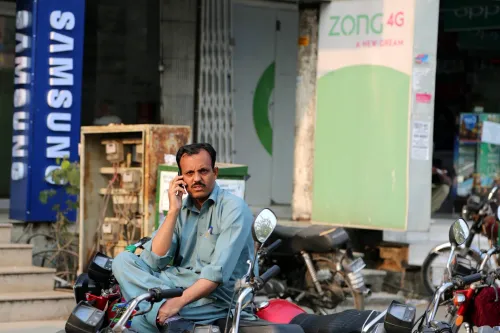
Basic mobile network signals were partially restored in select areas, but internet services remained fully disrupted across several parts of the province, according to reports by Pakistani daily The Express Tribune. The connectivity suspension has left residents unable to conduct digital transactions, communicate with family, or access emergency services online.
Separately, all commercial and financial services in Nushki district came to a halt on 5 August, with the financial blackout reportedly expected to continue until 31 August. The closure of banking and financial institutions was carried out without prior notice, compounding the hardship for residents.
Impact on Residents and Businesses
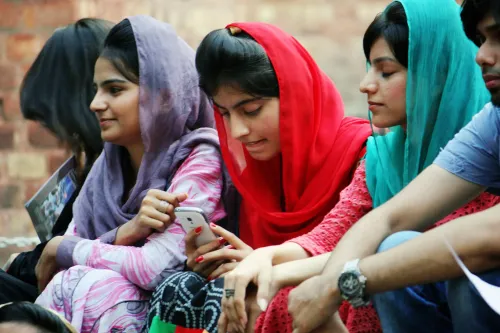
The twin shutdowns have had a cascading effect on daily life. Government employees and retired personnel have reportedly been unable to withdraw monthly salaries, leaving them without funds for groceries or medicines. Students are said to be unable to pay tuition fees or meet living expenses. Local trade and business operations across Balochistan have been significantly disrupted by the abrupt closure of financial institutions.
Local business owners and residents have urged authorities and banking officials to immediately restore services, citing the severe humanitarian impact of the prolonged dual blackout.
Independence Day Context and Human Rights Concerns
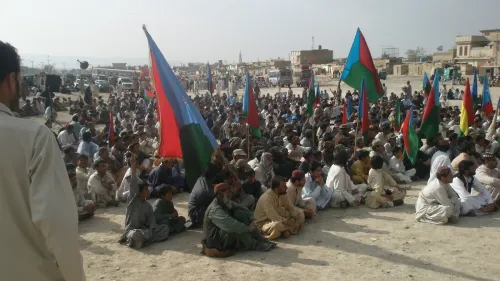
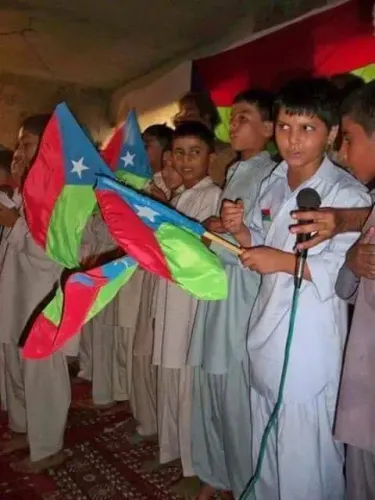
The shutdowns coincide with Balochistan's 79th Independence Day, observed on Tuesday — an annual tradition that Baloch human rights groups frame as a defiance of what they describe as Pakistan's 'illegal occupation' of the region. Leading Baloch human rights defender Mir Yar Baloch last week accused the Pakistani military of deliberately disrupting public gatherings and Independence Day events scheduled for Tuesday.
Mir, posting on social media platform X, alleged that Pakistani forces had imposed sweeping restrictions across the province, including an internet shutdown from 7 August to 30 August, to prevent national celebrations. He stressed that the people of Balochistan remain resolute and refuse to comply with Section 144 restrictions imposed across the province.
Mir Yar Baloch's Statements
In his post, Mir stated: 'The Republic of Balochistan rejects attempts to characterise the Baloch people as militants or separatists. The Baloch freedom fighters constitute the Defence, Security Forces, and military of Balochistan, enjoying the confidence and endorsement of the sixty million Baloch people.'
He further claimed that operations carried out by Baloch armed groups are aimed at 'dismantling and expelling Pakistan's alleged terrorist networks', which they hold responsible for 'instability, insecurity, and violence' across Balochistan. These are Mir's characterisations and have not been independently verified.
Historical Background
The Baloch struggle for independence has deep historical roots, tracing back to 1947 when the princely state of Kalat made a short-lived declaration of independence following the partition of British India. In 1948, Pakistan forcibly annexed the region — a move that Baloch nationalists have continuously contested in the decades since.
As the communication and financial shutdowns continue into their second week, the situation in Balochistan remains closely watched by human rights observers and regional analysts alike.
Point of View
Suppress public assembly, then characterise the fallout as a security necessity. What makes this episode notable is the financial blackout running in parallel — cutting off salaries and banking for nearly a month is not a security measure, it is collective punishment. The timing, coinciding with Balochistan's Independence Day, lends credibility to allegations that the shutdowns are politically motivated. International human rights bodies have repeatedly flagged Pakistan's use of internet shutdowns as a tool of political control, yet accountability mechanisms remain weak.
NationPress
25 Sept 2026
Frequently Asked Questions
Why have mobile and internet services been suspended in Balochistan?
Pakistani authorities suspended mobile and internet services in Quetta and several other parts of Balochistan for a second consecutive day on 11 August, citing looming security threats, according to sources within the Home and Tribal Affairs Department. The move coincides with Balochistan's Independence Day observances, which Baloch human rights groups say the government is attempting to suppress.
How long will the financial shutdown in Nushki district last?
All commercial and financial services in Nushki district were shut on 5 August and are reportedly expected to remain suspended until 31 August. The closure was carried out without prior notice, leaving residents unable to access banking services for nearly a month.
Who is Mir Yar Baloch and what did he allege?
Mir Yar Baloch is a leading Baloch human rights defender who alleged on social media platform X that Pakistani forces imposed an internet shutdown from 7 August to 30 August to prevent Balochistan's Independence Day celebrations. He also accused the Pakistani military of deploying troops and imposing Section 144 restrictions to disrupt public gatherings.
What is the historical background of the Baloch independence movement?
The Baloch independence movement traces its origins to 1947, when the princely state of Kalat declared independence following the partition of British India. Pakistan forcibly annexed Balochistan in 1948, a move that Baloch nationalists have continuously opposed in the decades since.
How are ordinary residents affected by the dual blackout?
The communication and financial shutdowns have severely impacted daily life in Balochistan. Government employees and pensioners are reportedly unable to withdraw salaries, students cannot pay tuition or living expenses, and local businesses have been forced to halt operations due to the abrupt closure of financial institutions.