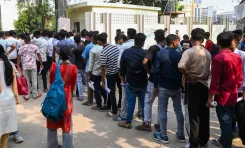
Pakistan detains 121 Afghans in Lahore amid nationwide deportation drive
Synopsis
Pakistan's post-deadline sweep in Lahore netted 121 Afghan nationals in a single operation — 93 of whom remain in detention. With authorities now targeting even those with expired documents, and the UN warning of persecution risks for returnees, the crackdown is widening into territory that international law classifies as forced refoulement.
Key Takeaways
Pakistani police detained 121 Afghan nationals in Lahore on 18 July during an enforcement operation.
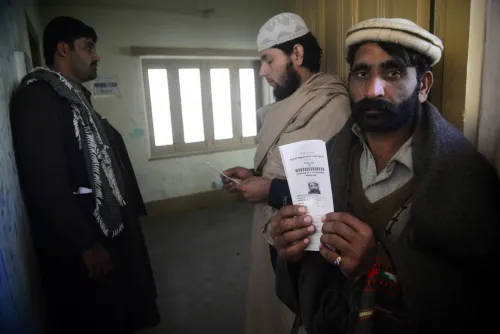
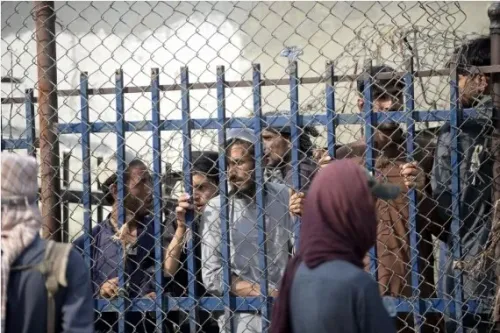
28 detainees were released after showing valid residency documents; 93 were moved to a holding centre.
Pakistan has detained and deported hundreds of thousands of Afghans since late 2023 ; the campaign now covers Punjab, Sindh, KPK, Balochistan, Gilgit-Baltistan , and Pakistan-occupied Kashmir .
Authorities are reportedly detaining Afghans with expired visas or Afghan Citizen Cards (ACC) , not just those without any documents.
The Taliban administration recorded 3,753 Afghans returning through border crossings in a single day.
The UN and international rights bodies have warned that deportees risk persecution, detention, and torture upon return to Afghanistan.
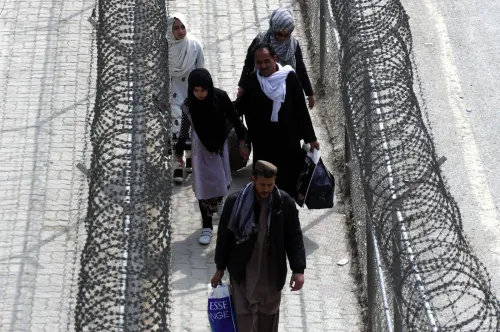
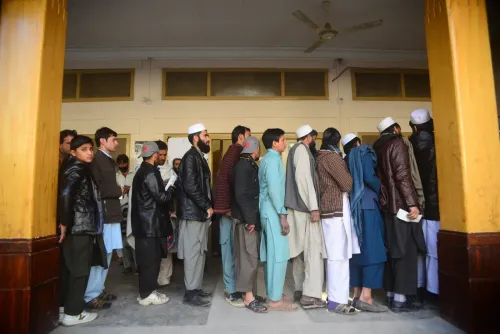
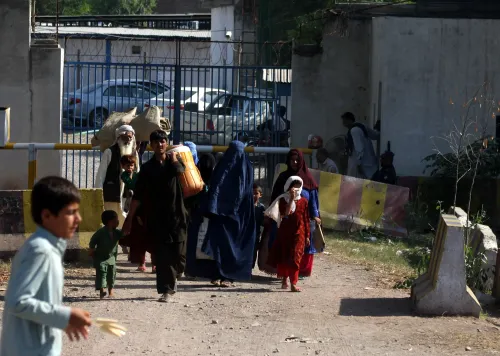
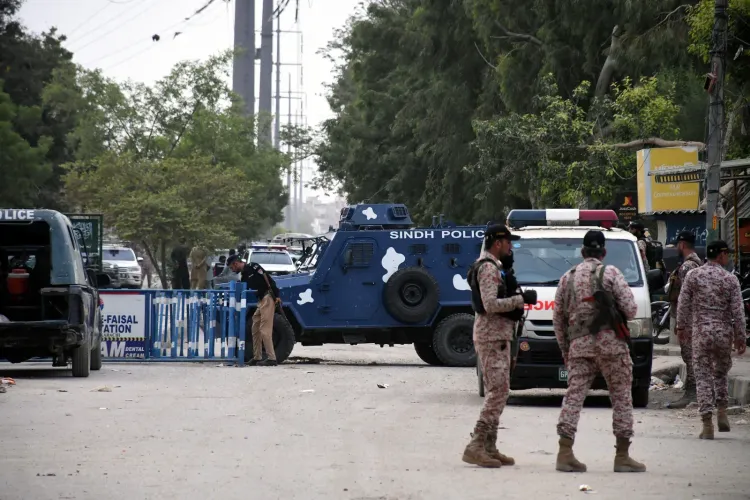
Pakistani police detained 121 Afghan nationals during an enforcement operation in Lahore on 18 July, as part of an intensifying nationwide crackdown on undocumented migrants that has seen hundreds of thousands of Afghans detained and deported since late 2023. Of those held, 28 were subsequently released after presenting valid residency documents, while the remaining 93 were transferred to a holding centre in the city.
What Triggered the Latest Sweep
The Lahore operation followed the expiry of a government-set deadline for undocumented Afghans to voluntarily return home. Pakistani authorities have since escalated enforcement across all major provinces and territories, including Punjab, Sindh, Khyber Pakhtunkhwa, Balochistan, Gilgit-Baltistan, and Pakistan-occupied Kashmir.
Notably, Afghan migrants in Pakistan have reported that authorities are now detaining not only those without papers but also individuals whose visas or Afghan Citizen Cards (ACC) have expired — a significant expansion of the campaign's scope.
Scale of the Broader Deportation Campaign
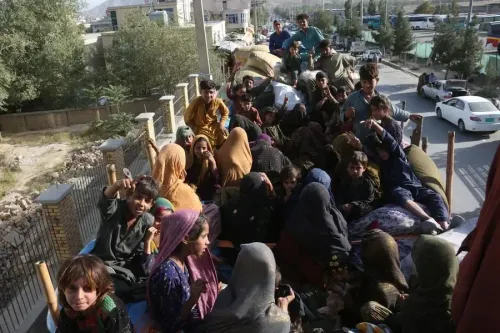
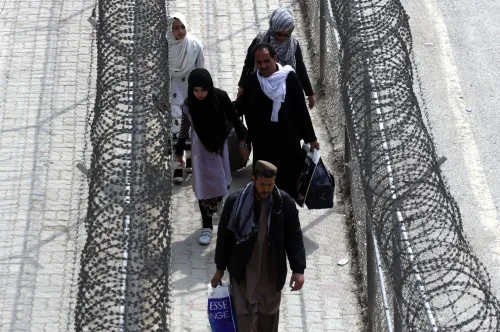
The Taliban administration in Kabul reported that 3,753 Afghans returned through multiple border crossings on a single Friday, though it did not specify how many were forcibly deported versus those who returned voluntarily or arrived from other neighbouring countries.
Pakistan's crackdown, launched in late 2023, has resulted in the detention and deportation of hundreds of thousands of Afghans — one of the largest forced-return operations in the region in recent years.
Humanitarian Alarm Raised by UN and Rights Bodies
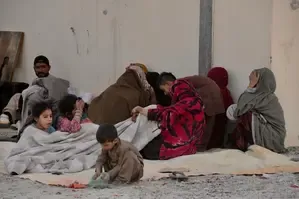
The International Organisation for Migration (IOM) and multiple United Nations agencies have warned that the continued large-scale return of Afghans is placing severe additional pressure on humanitarian services inside Afghanistan, where millions already face food insecurity, unemployment, and severely limited access to healthcare and basic public services.
The UN and international human rights organisations have formally urged Pakistan to halt forced deportations, cautioning that many returnees could face persecution, arbitrary detention, torture, or reprisals upon arrival in Taliban-controlled Afghanistan.
Voices From the Ground
An Afghan journalist based in Pakistan underscored the particular vulnerability of those who fled after the Taliban reclaimed power in 2021. 'Those who sought refuge in Pakistan after 2021 are refugees, not ordinary migrants,' she said. 'Returning them to Afghanistan could cost them their lives.'
Her remarks reflect a broader concern among rights advocates that Pakistan's enforcement operation is conflating economic migrants with individuals who face genuine protection needs under international refugee law.
What Comes Next
With Pakistan showing no signs of halting the campaign and the Taliban administration absorbing thousands of returnees weekly, humanitarian agencies warn that Afghanistan's already strained social infrastructure faces a compounding crisis. International pressure on Islamabad to distinguish between refugees and undocumented migrants is expected to intensify in the weeks ahead.
Point of View
To which Pakistan is not a signatory — a gap Islamabad has long exploited to sidestep non-refoulement obligations. The UN's warnings are not new; what is new is the speed and geographic breadth of enforcement. With Afghanistan's humanitarian infrastructure already near collapse, mass returns risk triggering a secondary crisis that the international community is poorly positioned to absorb. Mainstream coverage focuses on the numbers; the harder question is whether this constitutes state-sanctioned refoulement, and who will hold Pakistan accountable.
NationPress
19 Jul 2026
Frequently Asked Questions
How many Afghan nationals were detained in Lahore on 18 July?
Pakistani police detained 121 Afghan nationals during an enforcement operation in Lahore on 18 July 2025. Of these, 28 were released after producing valid residency documents, while 93 were transferred to a holding centre in the city.
Why is Pakistan carrying out this crackdown on Afghan migrants?
Pakistan launched a nationwide campaign in late 2023 to detain and deport undocumented Afghan nationals. The latest sweep was intensified after a government-set deadline for undocumented Afghans to voluntarily return home expired earlier in July.
Are only undocumented Afghans being targeted?
According to reports, Pakistani authorities have expanded the crackdown to include Afghans whose visas or Afghan Citizen Cards (ACC) have expired — not just those without any documentation at all. This broadening of scope has drawn criticism from rights groups.
What has the UN said about Pakistan's deportation campaign?
The United Nations and international human rights organisations have formally warned Pakistan to halt forced deportations, stating that many returnees could face persecution, arbitrary detention, torture, or reprisals under Taliban rule in Afghanistan.
What is the humanitarian situation for Afghans being returned?
The IOM and UN agencies warn that large-scale returns are straining Afghanistan's already overwhelmed humanitarian services. Millions of Afghans already face food insecurity, unemployment, and limited access to healthcare, making mass repatriation a compounding crisis.