International Concerns Grow as Pakistan Faces Rights Abuses and Transnational Repression
Synopsis
Pakistan is under increasing international scrutiny for its domestic human rights abuses and the alarming trend of targeting critics abroad, as highlighted during the UN Human Rights Council session in Geneva. Activists warn of a continuum of repression stretching from local to international realms.
Key Takeaways
Global scrutiny of Pakistan's rights record is intensifying.
Alarming pattern of transnational repression targeting critics abroad.
Activists report threats and coercion against those in Europe and North America.
Documented cases of enforced disappearances persist.
International responses remain insufficient .
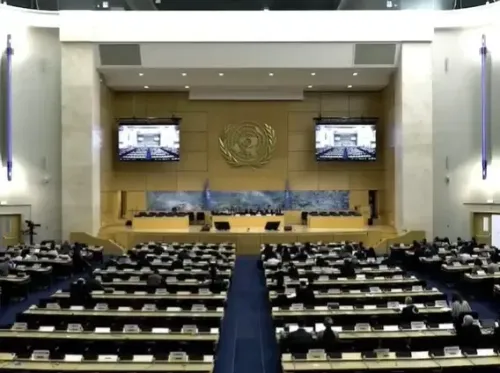
Geneva, March 31 (NationPress) During the 61st session of the United Nations Human Rights Council in Geneva, Pakistan faced intense global scrutiny concerning both its domestic violations of rights and an alarming trend of targeting critics beyond its borders, according to a report released on Tuesday.
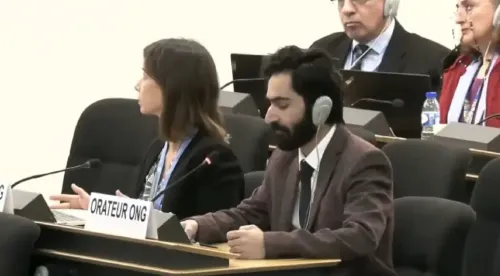
As highlighted in a report by the European Times, on March 27, various activists and observers convened to discuss the connections between internal repression in Pakistan and its external ramifications.
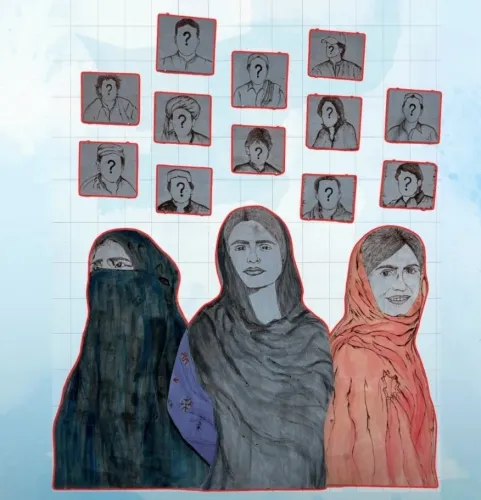
The discussions underscored a crucial point: the mechanisms used for enforced disappearances and legal opacity within Pakistan are being leveraged to intimidate and silence dissenting voices abroad.
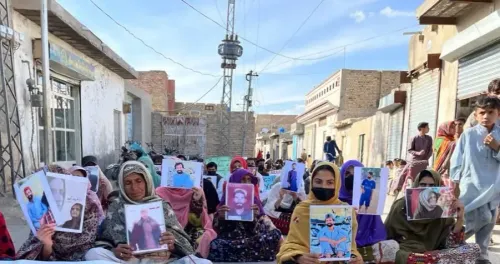
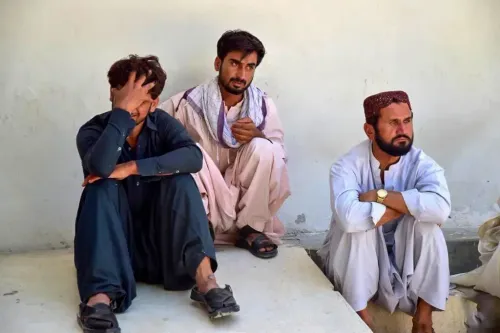
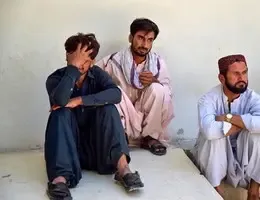
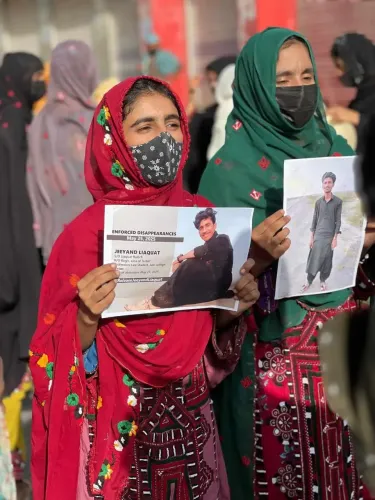
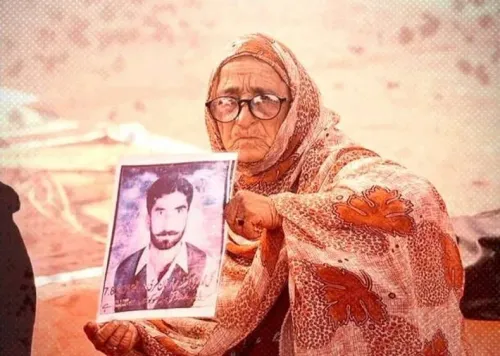
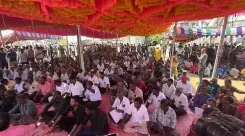
Within the country, allegations regarding enforced disappearances remain a significant concern. Balochistan, in particular, continues to emerge prominently in the reports from organizations such as Human Rights Watch. For years, families of the missing have staged protests, desperately seeking information about loved ones who disappeared following encounters with security forces. Unfortunately, legal avenues for recourse remain scarce, and accountability is seldom achieved.
The case of Pakistani human rights advocate Idris Khattak exemplifies the troubling intersection of detention and compromised due process.
While Khattak's case attracted international attention, many similar instances lack visibility in Geneva, as noted by various speakers.
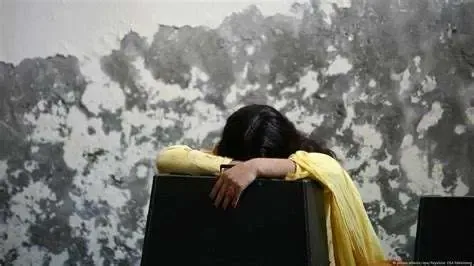
Participants reported a significant change in the geographical scope of these issues, with testimonies from Pakistani activists in exile, such as Roshaan Khattak, pointing to threats, surveillance, and coercion against activists residing in Europe and North America.
These tactics, while often informal, have proven effective: family members in Pakistan face questioning, travel documents are delayed, and anonymous messages amplify the feeling that distance offers little protection, the European Times report stated.
Research from the US-based think tank Freedom House indicates that Pakistan is among the nations engaged in transnational repression, with documented cases spanning multiple jurisdictions.
In contrast to the high-profile operations associated with other countries, the pattern observed here is characterized by persistence rather than visibility, making it challenging to attribute, prosecute, and therefore sustain.
Speakers, including Italian journalist Francesca Marino and human rights activist Peter Tatchell, emphasized that Pakistan's external pressures are intimately tied to its domestic situation.
Where institutions lack transparency and oversight domestically, similar tactics can be adapted for use abroad with minimal consequences. This has resulted in a continuous cycle of control that stretches from local communities in Pakistan to diaspora networks in major cities across the West.
The report emphasizes the absence of an effective response, stating, "The discussions revealed a gap that remains unaddressed. Documentation of abuses within Pakistan grows, and evidence of intimidation beyond its borders is accumulating. However, the policy responses—both domestically and internationally—have yet to keep pace with this expansion."
Point of View
It is imperative to acknowledge the gravity of the allegations against Pakistan regarding human rights abuses. The situation calls for a balanced analysis, focusing on the need for accountability and transparency within the nation's institutions, while also respecting the rights of individuals both domestically and in the diaspora.
NationPress
4 Oct 2026
Frequently Asked Questions
What are the key human rights issues in Pakistan?
Key issues include enforced disappearances, legal opacity, and a pattern of intimidation against dissenters, both domestically and abroad.
How does transnational repression manifest?
Transnational repression often involves threats, surveillance, and indirect coercion against activists living outside Pakistan, particularly in Western countries.
Who are the key figures speaking out against these issues?
Notable figures include human rights activists and journalists like Idris Khattak, Roshaan Khattak, Francesca Marino, and Peter Tatchell.
What has been the international response?
The international response has been criticized for being slow and inadequate, failing to address the growing documentation of abuses both within Pakistan and abroad.
What organizations are involved in documenting these abuses?
Organizations such as Human Rights Watch and Freedom House are actively involved in documenting human rights violations in Pakistan.