Why is Pakistan Facing Global Outrage Over Judicial Harassment of Human Rights Lawyers?
Synopsis
International human rights organizations are sounding the alarm over the judicial harassment faced by lawyers Imaan Zainab Mazari-Hazir and Hadi Ali Chattha in Pakistan. This case highlights serious concerns regarding the suppression of dissent and the misuse of cybercrime laws to silence critics. Learn more about the implications of this troubling trend.
Key Takeaways
Judicial harassment of lawyers is a serious issue in Pakistan.
International organizations are calling for an end to these practices.
The use of cybercrime laws to suppress dissent is on the rise.
Fair trial guarantees are being undermined.
Protecting human rights is vital for the rule of law.
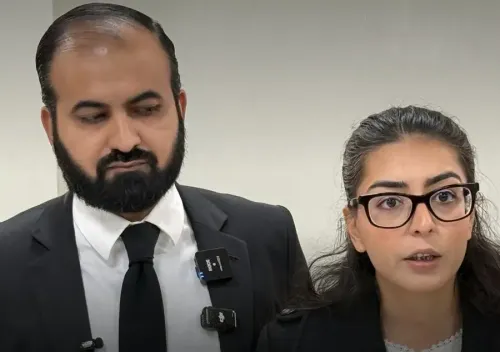
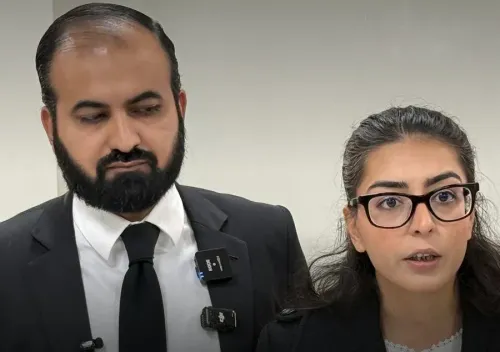
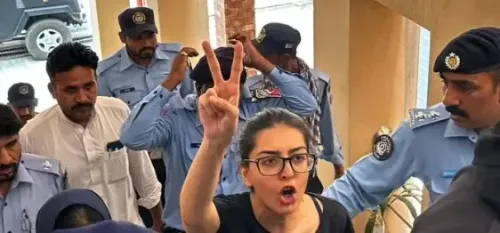
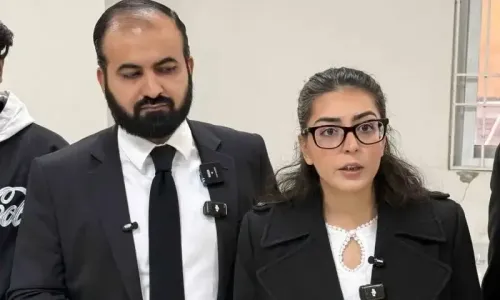
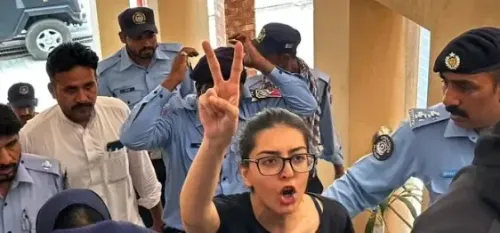
Dublin, Dec 15 (NationPress) Numerous international human rights organizations raised significant alarm on Monday regarding what they characterize as the persistent judicial harassment of human rights attorneys Imaan Zainab Mazari-Hazir and Hadi Ali Chattha in Pakistan.
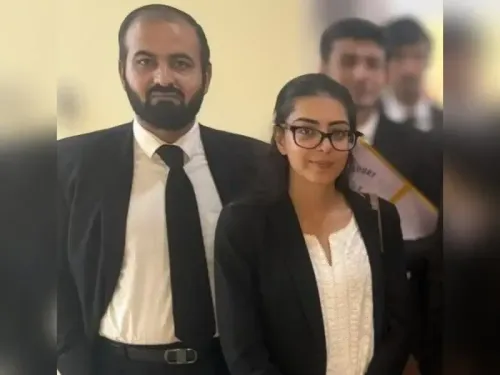
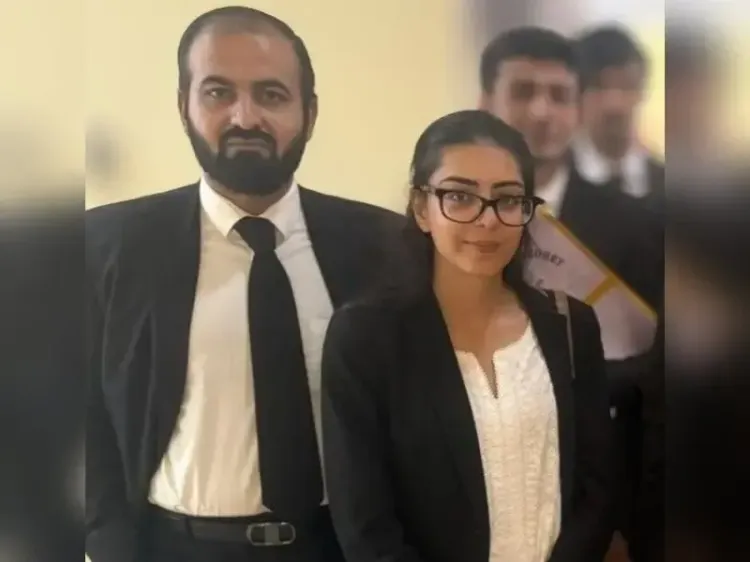
The human rights advocate and lawyer Imaan Mazari, along with her spouse, Advocate Hadi Ali Chattha, were reportedly charged by an Islamabad court in October due to alleged controversial social media statements.
In a collective declaration, Front Line Defenders (FLD) and various global human rights organizations asserted that the prosecution, often referred to as the "tweets case," specifically targets social media critiques of Pakistani authorities, including claims of enforced disappearances and other human rights abuses in the provinces of Balochistan and Khyber Pakhtunkhwa.
The organizations pointed out that this case signifies a more extensive and alarming trend of reprisals against individuals documenting human rights abuses or calling for accountability.
"The trial has been characterized by significant procedural irregularities that compromise fair trial assurances. Defense teams have faced challenges in ensuring consistent legal representation, with changes in counsel and objections to state-appointed lawyers being disregarded by the court. Legal proceedings have frequently been scheduled with little notice and rushed into an expedited timeline, preventing the defense from having sufficient time to prepare," stated the joint declaration from the rights organizations.
They further indicated that the indictment of the attorneys under Pakistan's Prevention of Electronic Crimes Act (PECA) illustrates the growing trend of employing cybercrime laws to criminalize dissent and suppress criticism of governmental institutions.
The rights organizations expressed that the prosecution of peaceful expression raises critical issues relating to necessity and proportionality under Pakistan’s international commitments, including the International Covenant on Civil and Political Rights.
"These actions also violate the UN Basic Principles on the Role of Lawyers, which forbid the prosecution, intimidation, or interference with lawyers as they fulfill their professional responsibilities or exercise their right to freedom of expression," emphasized the rights organizations.
"The combination of early warrants, simultaneous complaints, and expedited proceedings demonstrates how the criminal justice system is being weaponized to intimidate public-interest lawyers and stifle legitimate advocacy," they added.
The signatories called on the Government of Pakistan to promptly halt all judicial and administrative reprisals against Imaan Zainab Mazari-Hazir and Hadi Ali Chattha and to drop all charges resulting from their peaceful expression of freedom and legitimate professional endeavors.
They also demanded that the Pakistani authorities cease the misuse of PECA and consider its repeal, while urging the government to stop employing other criminal laws to target dissent or human rights advocates.
Such actions, the rights organizations concluded, are inconsistent with Pakistan's obligations to uphold fundamental freedoms, ensure due process, and maintain the independence of the legal profession in accordance with international law.
Point of View
It is essential to uphold the integrity of human rights and justice in Pakistan. The ongoing judicial harassment of lawyers like Imaan Mazari and Hadi Chattha raises profound concerns about the state of legal protections in our country. We must advocate for the cessation of such practices and strengthen the rule of law, ensuring that all citizens can exercise their rights without fear of reprisal.
NationPress
9 Oct 2026
Frequently Asked Questions
What led to the judicial harassment of the lawyers?
The judicial harassment stems from charges related to alleged controversial social media posts criticizing the Pakistani authorities, particularly regarding human rights violations.
What organizations are involved in speaking out against this issue?
Numerous international human rights organizations, including Front Line Defenders, have raised their voices in condemnation of the treatment faced by these lawyers.
What does the Prevention of Electronic Crimes Act entail?
The Prevention of Electronic Crimes Act allows for the prosecution of individuals for activities deemed as cybercrime, which has increasingly been used to suppress dissent.
What are the implications of this case for human rights in Pakistan?
This case illustrates a broader pattern of reprisals against those advocating for human rights, raising concerns about the erosion of legal protections and freedoms in Pakistan.
How can the government of Pakistan address these concerns?
The government must immediately halt judicial reprisals, reconsider the application of the PECA, and ensure that legal frameworks uphold human rights and freedom of expression.