14 infants killed in Islamabad hospital fire; PM Shehbaz orders probe
Synopsis
A pre-dawn fire triggered by a suspected air-conditioner blast killed 14 newborns in the nursery of Islamabad's top public hospital, PIMS — all of them on incubators or oxygen support. With PM Shehbaz ordering a high-level probe, the disaster has exposed a systemic failure in hospital fire safety that Pakistan has long been warned about.
Key Takeaways
14 infants were killed in a fire at the Pakistan Institute of Medical Sciences (PIMS) in Islamabad on 26 August .
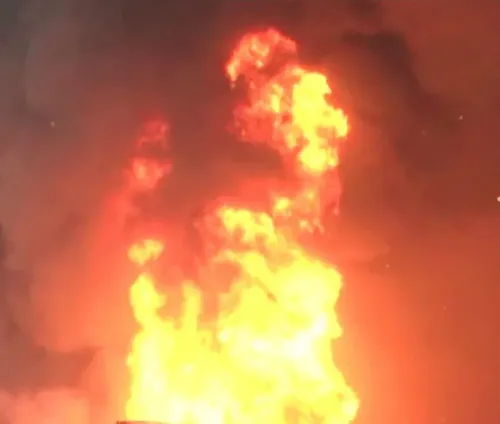
The fire broke out at approximately 6:40 am local time on the third floor of the Mother and Child Health (MCH) ward.
Federal Health Minister Mustafa Kamal said the blaze followed a 'blast in the air conditioner' inside the ward.
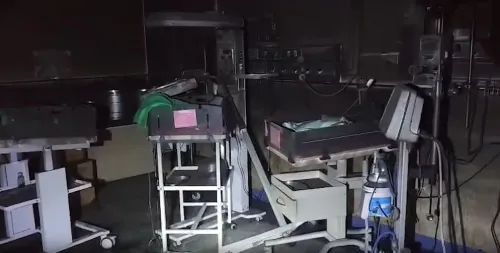
The nursery had 16 newborns at the time — all either in incubators or on oxygen support.
Pakistani Prime Minister Shehbaz Sharif has constituted a high-level committee to investigate the deaths.
Six fire brigade vehicles and four ambulances were deployed; the fire was brought under control after firefighting operations.
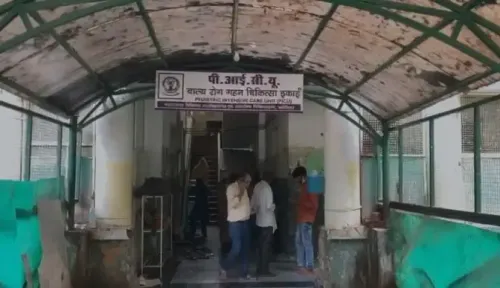
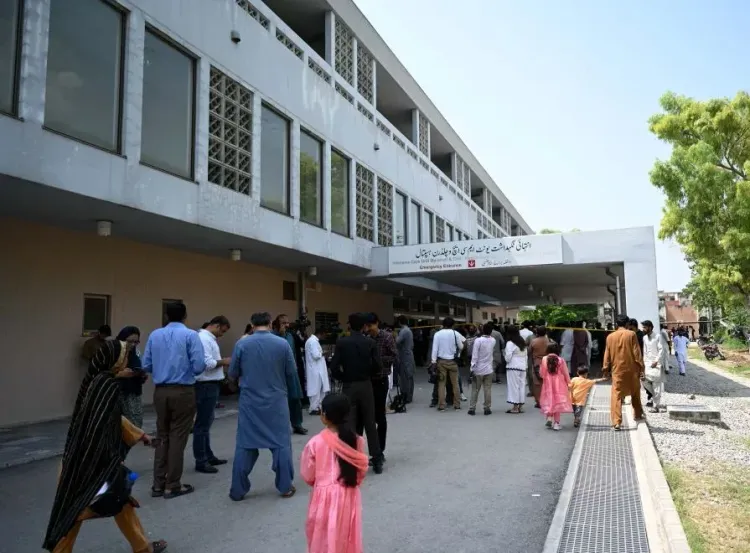
At least 14 infants died after a fire tore through the gynecology ward of the Pakistan Institute of Medical Sciences (PIMS) in Islamabad in the early hours of Wednesday, 26 August, prompting Pakistani Prime Minister Shehbaz Sharif to constitute a high-level inquiry committee. The blaze, which broke out on the third floor of the Mother and Child Health (MCH) ward, has reignited urgent questions about hospital safety standards in Pakistan.
How the Fire Broke Out
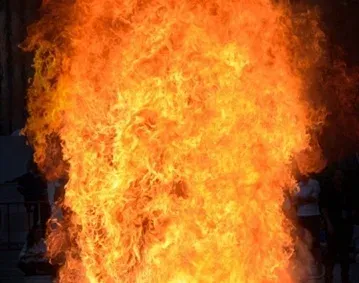
Federal Health Minister Mustafa Kamal told local media that the fire started at approximately 6:40 am local time (1:40 am GMT), following what he described as a 'blast in the air conditioner' inside the ward. At the time, the nursery housed 16 newborns, all of whom were either in incubators or on oxygen support — conditions that made evacuation especially difficult and the consequences of the blaze catastrophic.
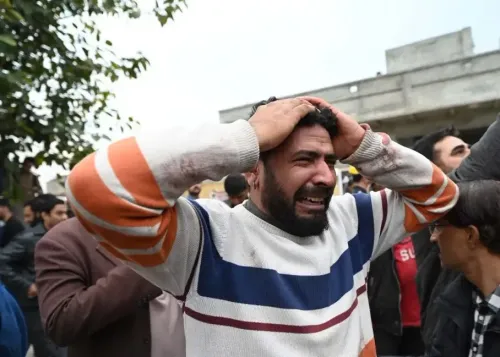
According to district administration officials, 14 babies were completely burnt in the fire. Initial reports indicated that nine children died on the spot, while the remaining victims later succumbed to their injuries after being shifted to the children's ward. Several children were reportedly rescued from the ward during the emergency response.
Emergency Response
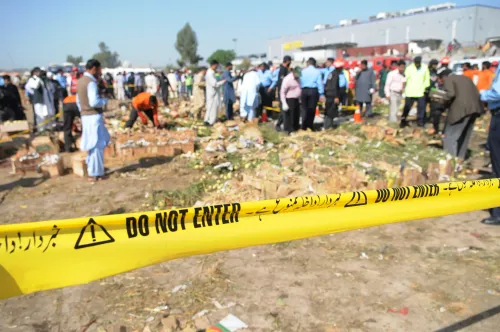
The hospital administration launched rescue operations immediately after the fire was detected. Six fire brigade vehicles and four ambulances were deployed as part of the emergency response. Firefighting teams brought the blaze under control and continued cooling operations at the site to prevent any risk of reignition. Police personnel also rushed to the scene.
Government Response and Inquiry
Prime Minister Shehbaz Sharif constituted a high-level committee to investigate the circumstances that led to the deaths, according to the Prime Minister's Office (PMO). Health Minister Kamal confirmed that investigators are examining the incident, with the inquiry expected to establish both the cause of the fire and the adequacy of the emergency response.
Safety Standards Under Scrutiny
The tragedy has cast a harsh spotlight on safety arrangements at Pakistani hospitals, particularly in wards housing the most vulnerable patients. Notably, this is not the first time that fire safety lapses at public health facilities in Pakistan have resulted in fatalities. Critics argue that systemic deficiencies — including inadequate fire suppression systems, overloaded electrical infrastructure, and insufficient emergency protocols — have repeatedly gone unaddressed. The PIMS fire, occurring in a ward designed to protect newborns, underscores the urgency of structural reform in hospital safety regulation.
Authorities have not yet confirmed the final composition or timeline of the high-level committee. The inquiry's findings are expected to determine accountability and inform corrective measures across Pakistan's public hospital network.
Point of View
With no apparent fire suppression system capable of protecting them, points to a failure of design, maintenance, and oversight simultaneously. High-level committees have been constituted after similar incidents before; the question is whether this one will produce enforceable standards or another shelved report. Pakistan's hospital fire safety record demands not just accountability for this incident, but a binding national audit of all neonatal and critical care wards.
NationPress
26 Aug 2026
Frequently Asked Questions
What happened at PIMS Islamabad on 26 August?
A fire broke out in the Mother and Child Health ward of the Pakistan Institute of Medical Sciences in Islamabad at around 6:40 am local time on 26 August, killing 14 newborn infants. All the babies in the nursery were either in incubators or on oxygen support when the blaze started.
What caused the fire at PIMS hospital?
Federal Health Minister Mustafa Kamal said the fire followed what he described as a 'blast in the air conditioner' inside the ward. Investigators are examining the exact cause as part of the high-level inquiry ordered by PM Shehbaz Sharif.
How many newborns were in the PIMS nursery when the fire broke out?
According to hospital officials, 16 newborns were in the nursery at the time of the fire. Fourteen were killed; several others were reportedly rescued during the emergency response.
What action has the Pakistani government taken after the PIMS fire?
Prime Minister Shehbaz Sharif has constituted a high-level committee to investigate the deaths, according to the Prime Minister's Office. The inquiry is expected to establish the circumstances of the fire and assess the adequacy of the emergency response.
Why does this incident raise concerns about hospital safety in Pakistan?
The fire has renewed serious questions about fire safety standards at Pakistani public hospitals, especially in wards housing vulnerable newborns. Critics argue that systemic issues — including inadequate fire suppression systems and insufficient emergency protocols — have gone unaddressed despite past incidents.