Tarique Rahman must escape radical trap to reset India-Bangladesh ties
Synopsis
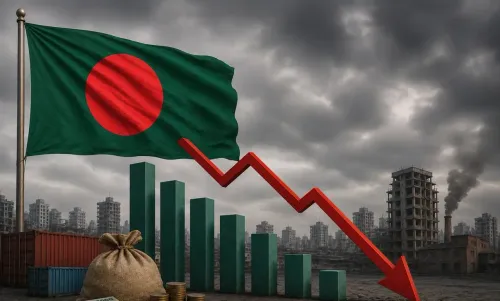
Bangladesh PM Tarique Rahman has reportedly passed up PM Modi's invitation to visit New Delhi — a signal that radical elements within BNP and Jamaat-e-Islami have seized India policy. With US$ 8 billion in Indian credit lines on the line and an energy crisis deepening, Dhaka's drift toward the 2001-06 anti-India playbook could prove costlier than its hardliners anticipate.
Key Takeaways
Bangladesh PM Tarique Rahman has reportedly declined PM Modi 's invitation to visit New Delhi , according to an analysis in The Secretariat .
Pro-Pakistan Jamaat-e-Islami and BNP hardliners are said to be driving India policy, pushing toward the adversarial posture of the 2001–06 period.
Not a single senior BNP minister has officially visited India since the party's return to power.
India has extended US$ 8 billion in Lines of Credit to Bangladesh, making it India's largest development partner.
Three passenger train services — Maitri Express , Bandhan Express , Mitali Express — remain suspended since July 2024 ; goods trains continue to operate.
The India-Bangladesh Friendship Pipeline , inaugurated in March 2023 , remains a key energy lifeline for Dhaka.
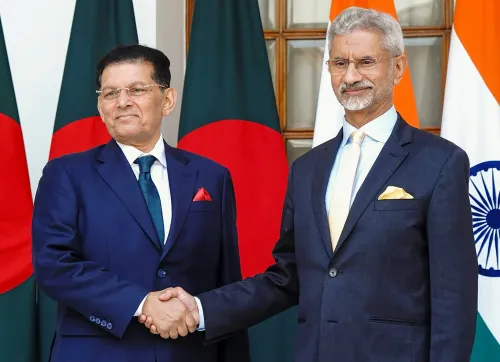
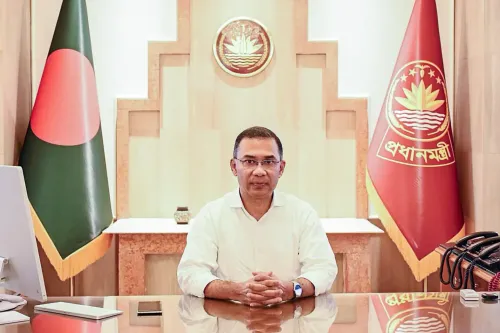
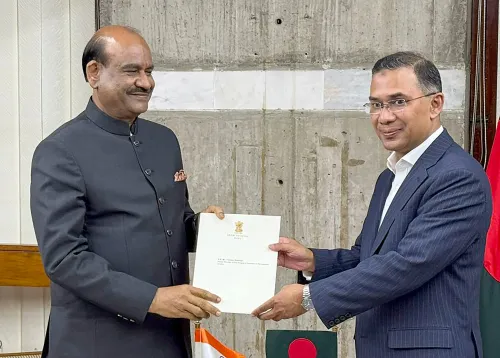
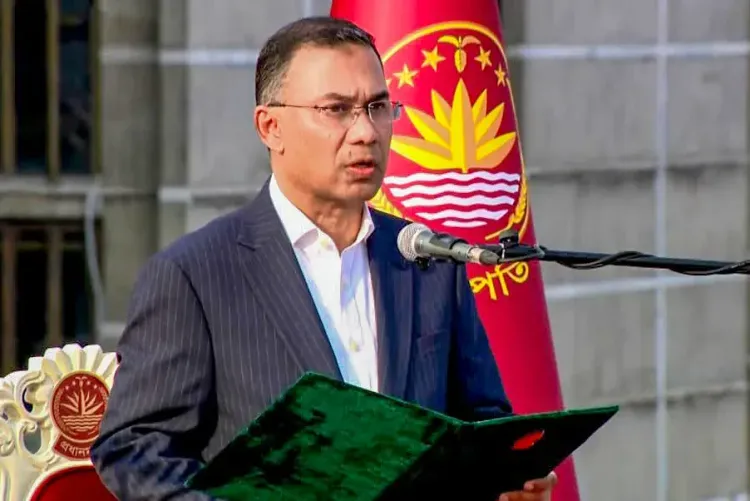
Bangladesh Prime Minister Tarique Rahman has reportedly squandered a critical diplomatic opening by declining Prime Minister Narendra Modi's invitation to visit New Delhi, according to an analysis published by The Secretariat. The piece, authored by D. Chowdhury, argues that the Bangladesh Nationalist Party (BNP) government's failure to signal cooperative intent with its largest neighbour marks a significant early misstep.
How Radical Elements Seized the Agenda
The BNP initially appeared pragmatic following its election victory earlier this year. However, according to the analysis, the party subsequently allowed pro-Pakistan Jamaat-e-Islami and hardliners within its own ranks to dominate India-related policymaking. These factions are reportedly intent on reverting to the adversarial posture of the 2001–06 period — widely regarded as one of the worst phases in India-Bangladesh relations over the past quarter-century — when the BNP government under Begum Khaleda Zia pursued an explicitly anti-India doctrine.
Notably, the BNP's old guard includes senior leaders who have historically sought to cultivate ties with India and remain acutely aware of the geographic and economic logic of the bilateral relationship. Several of these figures currently hold key ministerial portfolios, and reportedly understand that repeating the hostility of the last BNP tenure would be deeply damaging.
The Extradition Question and Economic Pressures
These pragmatic ministers are also said to recognise that making the extradition of former Prime Minister Sheikh Hasina the centrepiece of diplomatic engagement would be detrimental to bilateral ties. Friendly relations with India are considered essential to stabilising Bangladesh's economy, which is grappling with a worsening energy and power crisis.
Yet, since the BNP's return to power, not a single senior minister has undertaken an official visit to India, the analysis notes. Bangladesh's current Foreign Minister — described in the piece as a political lightweight — made only a brief stopover in India while transiting to Mauritius. In his place, government advisers with what the article characterises as a 'dubious past' have reportedly attempted to visit New Delhi over the past six months.
What the India-Bangladesh Partnership Has Built
The analysis urges Dhaka not to overlook the tangible gains of the Indo-Bangladesh partnership between 2009 and 2024. Connectivity has been a central pillar: six pre-1965 rail links have been restored, including the Agartala-Akhaura rail link inaugurated in November 2023. Three passenger train services — Maitri Express, Bandhan Express, and Mitali Express — remain temporarily suspended since July 2024 due to security considerations, though goods train operations continue.
The operationalisation of the agreement on the use of Chattogram and Mongla Ports has been aimed at improving connectivity with India's North-East. The India-Bangladesh Friendship Pipeline, inaugurated virtually in March 2023, carries High Speed Diesel from India into Bangladesh and has contributed significantly to addressing Bangladesh's energy security.
On the development front, India has extended US$ 8 billion across three Lines of Credit (LoC) currently under implementation, making Bangladesh India's largest development partner — a relationship that grew from modest beginnings after Bangladesh's liberation in 1971.
Modi's Outreach and the Path Forward
Prime Minister Narendra Modi is reportedly willing to continue this trajectory of cooperation with the Tarique Rahman government, provided Dhaka recognises the mutual benefit. India's engagement with its neighbours, the analysis stresses, has not been aimed at undermining their sovereignty or territorial integrity.
The piece concludes that it is not too late for Tarique Rahman to course-correct — to visit New Delhi and anchor the bilateral relationship in its shared history, culture, and tradition. Whether the BNP leadership can insulate its India policy from the pull of its radical flank will likely define the trajectory of one of South Asia's most consequential bilateral relationships in the years ahead.
Point of View
Dhaka's hardliners are gambling with leverage they do not have. The more telling detail is the absence of any senior ministerial visit to India: pragmatic voices within the BNP clearly exist, but they are being systematically sidelined. If Tarique Rahman cannot assert control over his own government's foreign policy this early in his tenure, the prognosis for a stable, productive India-Bangladesh relationship looks poor.
NationPress
10 Oct 2026
Frequently Asked Questions
Why has Bangladesh PM Tarique Rahman not visited India?
According to an analysis in The Secretariat, Tarique Rahman has reportedly declined PM Modi's invitation to visit New Delhi, with radical elements within BNP and pro-Pakistan Jamaat-e-Islami said to be dominating India-related policymaking. The pragmatic faction within BNP, though aware of the economic stakes, has been unable to override the hardliners.
What was India-Bangladesh relations like during the 2001-06 BNP rule?
The 2001–06 period under Begum Khaleda Zia is widely regarded as one of the worst phases in India-Bangladesh ties over the past 25 years, characterised by an explicitly anti-India doctrine. BNP hardliners are reportedly seeking to return to that posture, a prospect that alarms even some senior BNP ministers currently in office.
What is at stake economically in India-Bangladesh relations?
India has extended US$ 8 billion across three Lines of Credit to Bangladesh, making it India's largest development partner. Bangladesh also depends on the India-Bangladesh Friendship Pipeline, inaugurated in March 2023, for High Speed Diesel imports — a critical input amid an ongoing energy and power crisis.
What connectivity projects link India and Bangladesh?
Six pre-1965 rail links have been restored between the two countries, including the Agartala-Akhaura rail link inaugurated in November 2023. Three passenger train services — Maitri Express, Bandhan Express, and Mitali Express — have been temporarily suspended since July 2024 for security reasons, though goods train operations continue. The Chattogram and Mongla Ports agreement also aims to improve connectivity with India's North-East.
Is it too late for Bangladesh to reset ties with India?
The analysis in The Secretariat argues it is not too late for Tarique Rahman to course-correct by visiting New Delhi and re-anchoring the relationship in shared history and economic interest. PM Modi is reportedly willing to continue cooperation, provided Dhaka recognises the mutual benefit of the partnership.