Pakistan monsoon death toll hits 196, over 400 injured since June 26
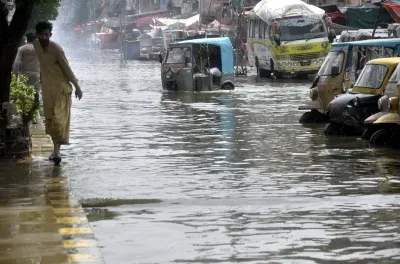
Synopsis
Pakistan's monsoon death toll has climbed to 196 with over 400 injured in just five weeks — and electrocution, not floodwater, is the leading killer. With glacial lake outburst floods cutting off Gilgit-Baltistan and entire communities running short of food and medicine, the crisis is far from over as the season stretches toward September.
Key Takeaways
196 people have died and 404 have been injured in Pakistan's monsoon season between 26 June and 1 August , per NDMA data.
Electrocution is the leading cause of fatalities, followed by flash floods, drowning, and lightning.
Khyber Pakhtunkhwa recorded the highest death count at 55 ; Punjab had the most injuries at 295 .
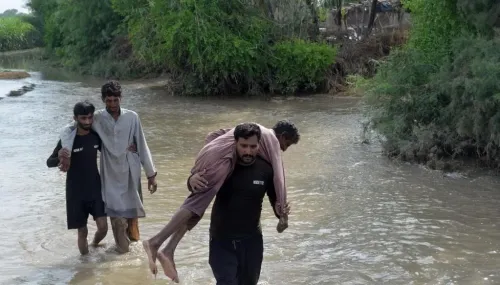
In the latest 24-hour period, 4 more people were killed and 16 injured, with rescue teams saving 16 people across three provinces.
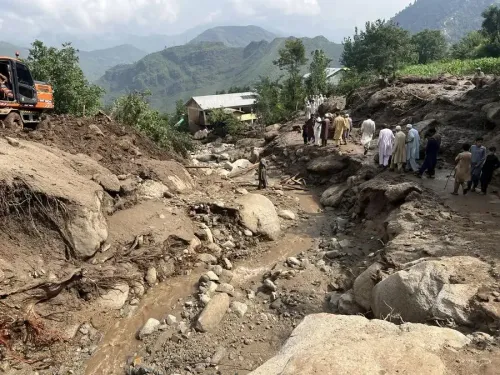
Flash floods and glacial lake outburst floods (GLOFs) have cut road access to multiple valleys in Pakistan-occupied Gilgit-Baltistan , stranding thousands.
Residents of Hisper Valley and districts including Diamer , Astore , and Ghizer face shortages of food, medicine, water, and electricity.
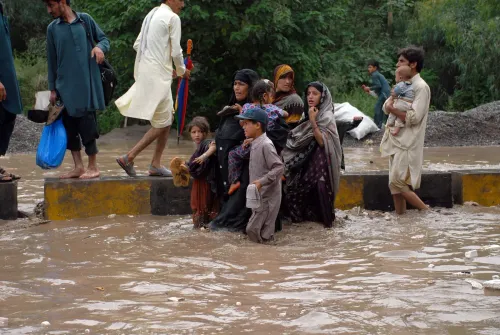
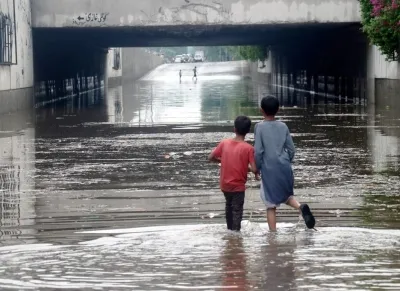
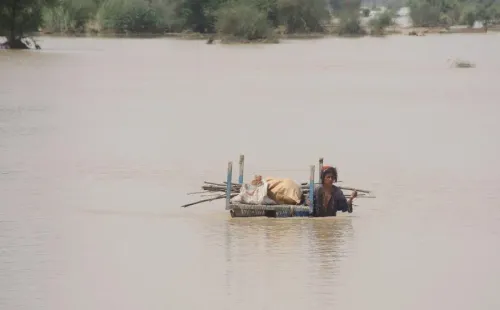
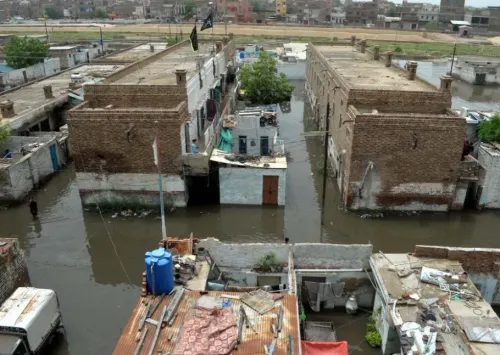
Pakistan's monsoon season has claimed 196 lives and left 404 people injured between 26 June and 1 August, according to the National Disaster Management Authority (NDMA), local media reported on Sunday. The figures mark a steady climb as rain-related disasters continue to batter multiple provinces.
Primary Causes of Fatalities
Electrocution emerged as the leading cause of monsoon deaths this season, ahead of flash floods, drowning, lightning strikes, and other rain-related incidents such as house collapses and falling trees. The pattern reflects a recurring vulnerability in Pakistan's monsoon response — power infrastructure in rural areas remains dangerously exposed during heavy rainfall.
Province-wise Toll
Punjab recorded the highest casualties, with 47 deaths and 295 injuries between 26 June and 1 August. Khyber Pakhtunkhwa followed with 55 deaths and 82 injuries over the same period. Sindh reported 5 deaths and 7 injuries, while Balochistan saw 8 deaths and 15 injuries. In the 24 hours leading up to Saturday's NDMA report, 4 more people were killed and 16 injured, with Punjab again accounting for the maximum casualties. Rescue teams pulled out 9 people in Punjab, 5 in Sindh, and 2 in Khyber Pakhtunkhwa during that period.
Crisis in Gilgit-Baltistan
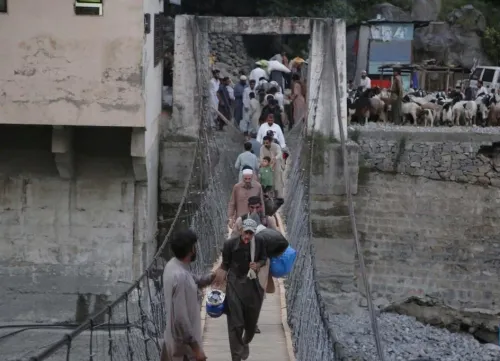
In Pakistan-occupied Gilgit-Baltistan (PoGB), flash floods and glacial lake outburst floods (GLOFs) have severed road access to several valleys, leaving thousands of residents and tourists stranded. Highways remain damaged, and restoration efforts continue to be hampered by ongoing flooding. Affected communities in the region are facing acute shortages of drinking water, electricity, and communication services.
Residents of Hisper Valley in Nagar district reported that patients and students are bearing the worst of the hardship, with critical shortages of food, medicine, and essential supplies. Similar distress signals have come from Diamer, Astore, Ghizer, and other affected districts, where electricity and water supply disruptions compound the humanitarian strain.
Broader Context
This comes amid Pakistan's well-documented monsoon vulnerability — the country suffered catastrophic flooding in 2022 that killed over 1,700 people and inundated nearly one-third of its territory. While the current toll is far lower, the recurrence of electrocution as the primary killer and the isolation of highland communities points to systemic gaps in disaster preparedness that have persisted across successive administrations. With the monsoon season typically extending through September, the death toll and injury count are expected to rise further.
Point of View
Fixable hazard, yet they kill more people every monsoon than the floods themselves. Meanwhile, the GLOF crisis in Gilgit-Baltistan is not a surprise event — scientists have flagged the region's glacial lake risk for years. Pakistan's disaster management framework continues to respond rather than pre-empt, and with the season running until September, the window to shift that posture is narrowing fast.
NationPress
17 Sept 2026
Frequently Asked Questions
What is Pakistan's monsoon death toll in 2025?
Pakistan's monsoon death toll reached 196 between 26 June and 1 August 2025 , with 404 people injured, according to the National Disaster Management Authority (NDMA). The figures are expected to rise as the monsoon season continues through September.
Which province has been worst affected by Pakistan's monsoon?
Khyber Pakhtunkhwa recorded the highest number of deaths at 55 , while Punjab reported the most injuries at 295 during the same period. Punjab also accounted for the maximum casualties in the most recent 24-hour reporting window.
What is causing the most deaths in Pakistan's monsoon season?
Electrocution is the primary cause of monsoon fatalities in Pakistan this year, ahead of flash floods, drowning, and lightning strikes. Exposed power infrastructure in rural areas is considered a key contributing factor.
What is happening in Gilgit-Baltistan during the monsoon?
Flash floods and glacial lake outburst floods (GLOFs) have cut road access to several valleys in Pakistan-occupied Gilgit-Baltistan, stranding thousands of residents and tourists. Communities in Nagar, Diamer, Astore, and Ghizer districts are facing shortages of food, medicine, water, and electricity.
How does the 2025 Pakistan monsoon compare to previous years?
While the current toll of 196 deaths is significantly lower than the catastrophic 2022 floods that killed over 1,700 people, recurring patterns — electrocution deaths and GLOF-driven isolation of highland communities — point to systemic gaps in disaster preparedness that have not been addressed in the intervening years.