Pakistan monsoon death toll hits 107 since June 26, NDMA reports
Synopsis
Pakistan's monsoon death toll has reached 107 in exactly one month, but the crisis in Gilgit-Baltistan adds a separate, climate-driven dimension: glacial lake outbursts triggered by record July temperatures are cutting off entire valleys, stranding thousands and compounding a disaster that rainfall alone does not explain.
Key Takeaways
107 people have died from monsoon rain, flooding, and landslides in Pakistan since 26 June , according to NDMA .
344 people have been injured; 447 houses damaged and 269 livestock killed.
In the latest 24-hour period, 11 deaths were recorded — seven in Punjab , two in Sindh , and one each in PoGB and Khyber Pakhtunkhwa .
Road access to parts of Pakistan-occupied Gilgit-Baltistan has been cut off for a fourth consecutive day due to flash floods and glacial lake outburst floods (GLOFs).
Authorities recorded 'unprecedented temperatures' in PoGB between 18–21 July , accelerating glacier melt and triggering GLOF incidents.
NDMA has urged residents in vulnerable areas to follow official safety advisories as monsoon rains continue.
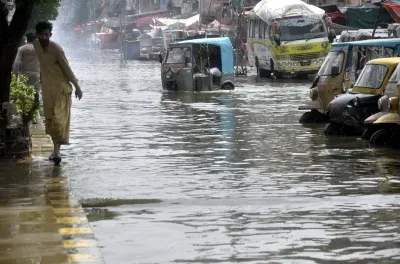
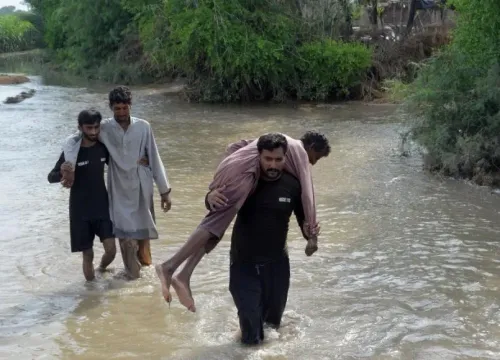
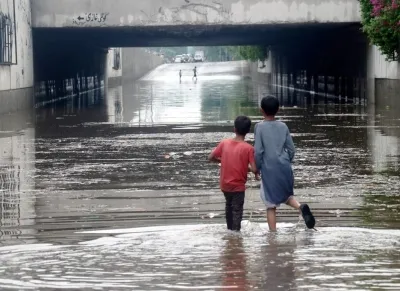
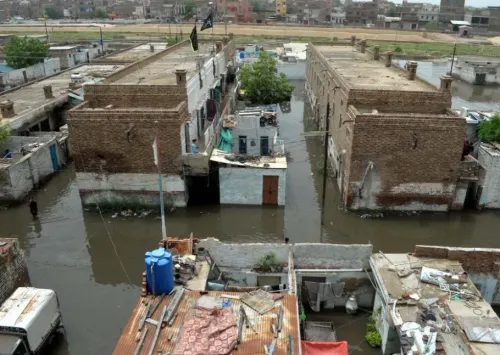
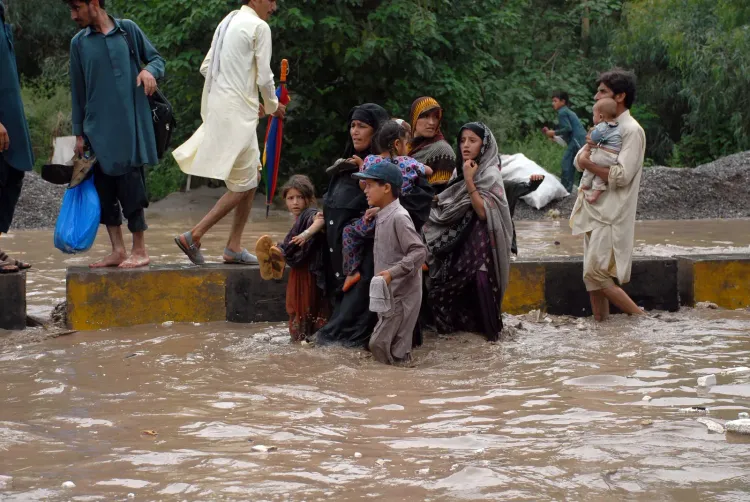
Pakistan's National Disaster Management Authority (NDMA) on Sunday, 26 July confirmed that the cumulative death toll from monsoon rains, flooding, and landslides has climbed to 107 since 26 June, with 344 people injured and widespread damage reported across multiple provinces. The figures, attributed to local media reports citing NDMA data, underscore the escalating humanitarian toll of an unusually intense monsoon season.
Latest Casualties and Provincial Breakdown
In the 24 hours preceding the NDMA update, 11 people lost their lives — seven in Punjab, two in Sindh, and one each in Pakistan-occupied Gilgit-Baltistan (PoGB) and Khyber Pakhtunkhwa. An additional 25 people were injured in the same period, including 20 in Punjab, three in Khyber Pakhtunkhwa, and two in Sindh, according to reports.
The NDMA data also recorded damage to 447 houses and the deaths of 269 livestock since the season began. Fatalities have been attributed primarily to drowning and structural collapses, while injuries have resulted from roof cave-ins and electrocution.
Lahore and Punjab Bear the Brunt
In Lahore, three people — a man, a woman, and a child — were killed and five others injured across four separate roof-collapse incidents in localities including Garhi Shahu Railway Colony, Bobby Plaza, Saggian Pind, and Kahna.
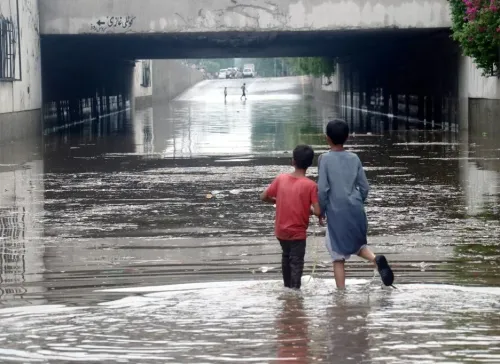
In Kasur district, two people — a man and a child — died after a roof collapsed near Adda Dhing Shah, injuring three others including a woman and two children. A woman also died in a rain-triggered roof collapse in Faisalabad, while a child drowned in accumulated rainwater near Pathan Colony in Gujranwala.
Gilgit-Baltistan Cut Off by Flash Floods and Glacial Outbursts
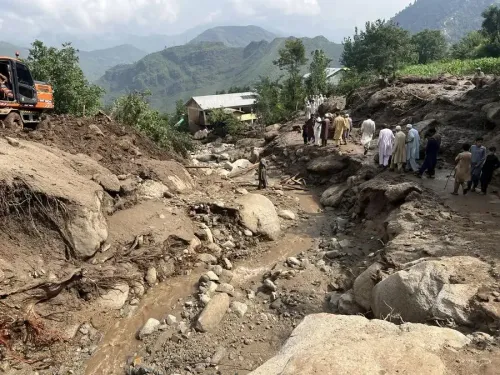
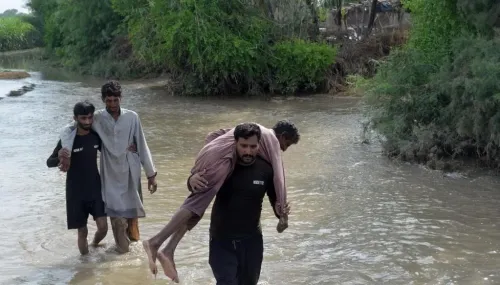
Road access to several parts of Pakistan-occupied Gilgit-Baltistan remained severed for the fourth consecutive day as flash floods and glacial lake outburst floods (GLOFs) continued to damage highways and hamper restoration work. Thousands of residents and tourists were reportedly stranded, with affected communities facing acute shortages of drinking water, electricity, and communication services.
Ataur Rehman Kakar, Director General of the PoGB Disaster Management Authority, told local media that between 18 July and 21 July, the region recorded 'unprecedented temperatures,' resulting in rapid glacier melting and multiple GLOF incidents across several valleys.
NDMA Advisory and Outlook
The NDMA has urged residents — particularly those in vulnerable and low-lying areas — to remain vigilant and adhere to official safety advisories as monsoon rains are expected to persist across parts of the country. With the season still active and glacial melt compounding rainfall-driven flooding in the north, the toll is likely to rise further in the coming weeks.
Point of View
And as melt seasons intensify, the window between 'unprecedented temperature' and 'cut-off valley' will keep shrinking. The NDMA's advisories are necessary but insufficient; what the region requires is pre-positioned relief, not reactive rescue.
NationPress
25 Oct 2026
Frequently Asked Questions
What is the current monsoon death toll in Pakistan?
As of 26 July , Pakistan's NDMA has confirmed 107 deaths from monsoon rains, flooding, and landslides since 26 June . An additional 344 people have been injured during the same period.
Which provinces have been worst affected by the monsoon in Pakistan?
Punjab has recorded the highest casualties in recent days, accounting for seven of the eleven deaths in the latest 24-hour period. Sindh , Khyber Pakhtunkhwa , and Pakistan-occupied Gilgit-Baltistan have also reported fatalities and injuries.
Why is Gilgit-Baltistan cut off from road access?
Flash floods and glacial lake outburst floods (GLOFs) triggered by record temperatures between 18–21 July have damaged highways in Pakistan-occupied Gilgit-Baltistan , severing road access for a fourth consecutive day. Thousands of residents and tourists remain stranded with shortages of water, electricity, and communications.
What are glacial lake outburst floods (GLOFs) and why are they occurring now?
GLOFs occur when water held back by a glacial dam is suddenly released, typically after rapid glacier melting. According to the PoGB Disaster Management Authority, 'unprecedented temperatures' recorded between 18 and 21 July accelerated glacier melt in Gilgit-Baltistan, triggering multiple GLOF events across several valleys.
What precautions has Pakistan's NDMA advised?
The NDMA has urged residents — especially those in low-lying and vulnerable areas — to remain vigilant and strictly follow official safety advisories, as monsoon rains are expected to continue across parts of the country in the coming days.