Pakistan's sixth polio case of 2026 reported in Khyber Pakhtunkhwa
Synopsis
Pakistan's sixth polio case of 2026 — a seven-year-old from Khyber district — was confirmed just one week after the fifth. Five of six cases this year are clustered in Khyber Pakhtunkhwa, a province where armed attacks have killed police escorts and suspended vaccination drives, keeping Pakistan and Afghanistan as the world's last two wild poliovirus endemics.
Key Takeaways
Pakistan's NEOC confirmed the country's sixth polio case of 2026 on 6 October 2026 .
The patient is a seven-year-old boy from Khyber district, Khyber Pakhtunkhwa .
Five of six polio cases in Pakistan in 2026 have been reported in Khyber Pakhtunkhwa .
The latest case was confirmed less than a week after the fifth case on 29 September 2026 .
Pakistan and Afghanistan are the only two countries where wild poliovirus remains endemic.
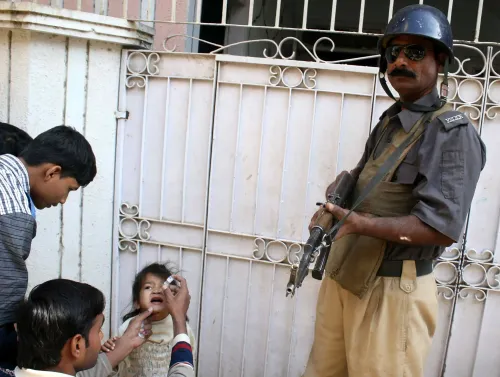
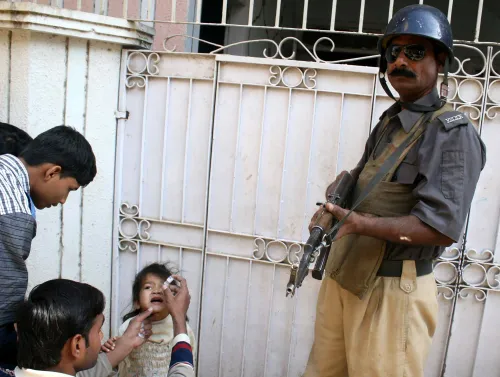
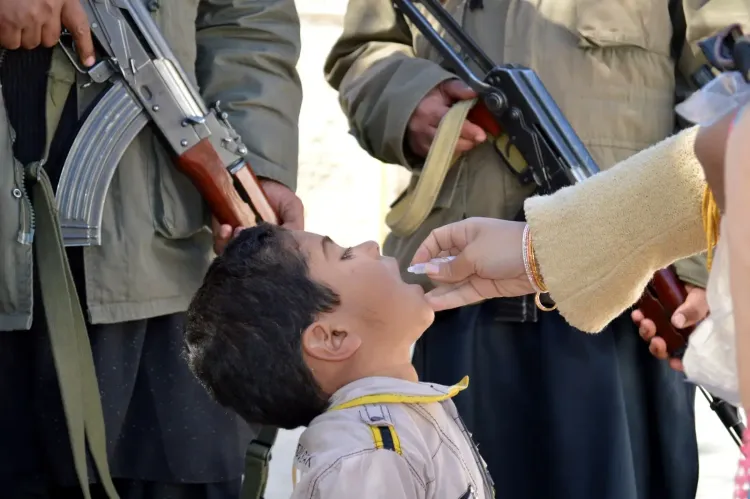
Multiple police escorts protecting polio workers have been killed or injured in Balochistan and Khyber Pakhtunkhwa in 2026, leading to campaign suspensions.
Pakistan has recorded its sixth polio case of 2026, with the country's National Emergency Operations Centre for Polio Eradication (NEOC) confirming on 6 October 2026 that a seven-year-old boy from Khyber district in Khyber Pakhtunkhwa province has been infected with wild poliovirus. The fresh case follows closely on the heels of the fifth confirmed case, which was reported just a week earlier on 29 September 2026.
Alarming Concentration in Khyber Pakhtunkhwa
According to the NEOC statement, five of the six polio cases confirmed in Pakistan so far in 2026 have originated in Khyber Pakhtunkhwa. The rapid clustering of cases in this single province underscores persistent gaps in vaccination coverage and vaccine accessibility in the region. Pakistan and Afghanistan remain the only two countries in the world where wild poliovirus is still endemic, making every new case a global public health concern.
Attacks on Polio Workers Hampering Eradication Efforts
The latest case emerges against a backdrop of sustained violence targeting polio vaccination teams across Pakistan. On 22 September 2026, two police personnel guarding a team of female polio workers in Noshki district, Balochistan, were killed when armed assailants on a motorcycle opened fire on the security escort during a week-long vaccination drive. Noshki City Station House Officer Munawar Zaman confirmed that the gunmen fled after seizing the official weapons of the slain officers. The polio team's members were unhurt, but authorities subsequently suspended the anti-polio campaign in the area.
Earlier, on 24 May 2026, a police official deployed with a polio vaccination team was seriously injured in a firing incident near the Ishaqzai Qila area of Chaman district in Balochistan, though the vaccination team members escaped harm. Just days before that, on 18 May 2026, at least two police personnel escorting polio teams were killed in separate incidents in Bajaur district of Khyber Pakhtunkhwa. According to a senior police official, unidentified assailants attacked the teams in the Tabbai and Dag Qila regions of Salarzai.
Why This Matters Beyond Pakistan's Borders
Wild poliovirus knows no boundaries. With Pakistan and Afghanistan serving as the world's last remaining reservoirs of endemic wild poliovirus, each confirmed case raises the risk of cross-border spread and, in a worst-case scenario, re-importation into polio-free nations. The World Health Organization (WHO) and global health bodies have repeatedly identified security conditions in Khyber Pakhtunkhwa and Balochistan as the single largest operational barrier to Pakistan achieving polio-free status. Notably, the killing and intimidation of vaccination workers directly reduces immunisation coverage in the communities most at risk.
What Happens Next
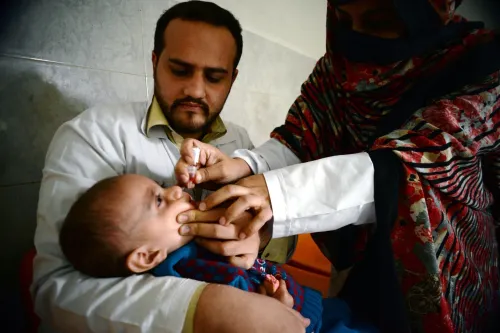
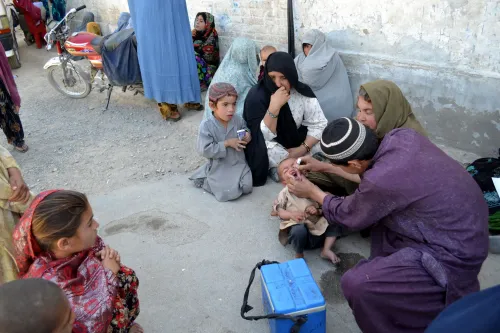
Health authorities are expected to intensify surveillance and launch emergency vaccination rounds in and around Khyber district in response to the latest case. However, the ability to mount an effective response will depend heavily on whether security forces can adequately protect field teams in a region that has repeatedly proven dangerous for polio workers. International partners, including the Bill and Melinda Gates Foundation and UNICEF, continue to support Pakistan's eradication programme, but sustained progress will require both political will and an end to targeted attacks on health workers.
Point of View
Five from one province, and a string of fatal attacks on vaccination escorts — Pakistan's polio crisis is not a disease-surveillance failure, it is a security-governance failure. The pattern in Khyber Pakhtunkhwa and Balochistan is now multi-year and predictable: armed groups disrupt campaigns, coverage collapses, and cases follow. Global health funding keeps the programme alive but cannot substitute for the state's obligation to protect health workers. Until Pakistan demonstrably breaks the cycle of impunity for attacks on polio teams, eradication timelines will remain aspirational rather than operational.
NationPress
6 Oct 2026
Frequently Asked Questions
What is Pakistan's sixth polio case of 2026?
It is a confirmed wild poliovirus infection in a seven-year-old boy from Khyber district in Khyber Pakhtunkhwa, announced by Pakistan's National Emergency Operations Centre for Polio Eradication on 6 October 2026. The case was reported less than a week after the fifth confirmed case of the year.
Why does Pakistan still have polio when most of the world is polio-free?
Pakistan and Afghanistan are the only two countries where wild poliovirus remains endemic. Persistent vaccination gaps, difficult terrain, vaccine hesitancy, and — critically — repeated armed attacks on polio workers and their security escorts have prevented the country from achieving the consistent high immunisation coverage needed to eradicate the virus.
How many polio cases have been reported in Khyber Pakhtunkhwa in 2026?
Five of Pakistan's six confirmed polio cases in 2026 have been reported in Khyber Pakhtunkhwa province, making it by far the highest-burden region in the country this year.
What attacks on polio workers have occurred in Pakistan in 2026?
Multiple violent incidents have targeted polio vaccination teams in 2026. Two police escorts were killed in Bajaur district, Khyber Pakhtunkhwa, on 18 May; a police official was seriously injured in Chaman district, Balochistan, on 24 May; and two more police personnel were killed in Noshki district, Balochistan, on 22 September — after which the anti-polio campaign in that area was suspended.
What is being done to respond to the new polio case?
Health authorities are expected to launch emergency vaccination rounds and enhanced surveillance in and around Khyber district. International partners including WHO and UNICEF continue to support Pakistan's eradication programme, though operational effectiveness remains constrained by the security situation in affected provinces.