Pakistan, Turkey silent on Flydubai FZ1073 attack despite Mecca pact pledges
Synopsis
Pakistan pledged to defend Saudi Arabia 'by whatever means.' Turkey said an attack on the Kingdom is an attack on itself. Yet when a civilian aircraft carrying over 170 people was violently hijacked mid-flight and forced to land in Saudi Arabia, neither ally said a word — and a geopolitical analyst argues that silence is itself a political statement about how the Mecca pact defines terrorism.
Key Takeaways
Flydubai Flight FZ1073 , carrying more than 170 passengers , plunged nearly 14,000 feet after the co-pilot allegedly attacked the captain in the cockpit.
The aircraft made an emergency landing at Tabuk, Saudi Arabia ; the Indian captain was injured and the alleged attacker was Omani .
Neither Pakistan nor Turkey — both signatories to the Mecca pact — has publicly condemned the attack, according to the analysis.
Geopolitical expert Sergio Restelli , writing in The Times of Israel , argued the silence reveals a selective application of counter-terrorism principles within the alliance.
Saudi Arabia , as custodian of Islam's two holiest mosques, faces particular scrutiny over whether it will hold its allies to a consistent standard on civilian aviation security.
Despite formal commitments to defend Saudi Arabia under the Mecca pact, neither Pakistan nor Turkey has publicly condemned the violent mid-flight attack aboard Flydubai Flight FZ1073, according to an analysis published in The Times of Israel. The silence is drawing sharp scrutiny from geopolitical observers, who argue it exposes a selective definition of terrorism among the alliance's members.
What Happened Aboard Flight FZ1073
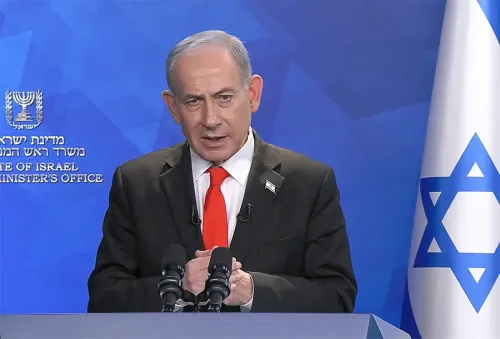
The incident involved a civilian aircraft carrying more than 170 people on a route from Dubai to Tel Aviv. According to Israeli Prime Minister Benjamin Netanyahu, the aircraft plunged nearly 14,000 feet in under thirty seconds after the co-pilot allegedly attacked the captain inside the cockpit. Passengers and crew intervened before the aircraft made an emergency landing at Tabuk in Saudi Arabia. The captain, who was injured in the assault, was reportedly of Indian nationality, while the alleged attacker was identified as Omani.
The Mecca Pact and Its Obligations
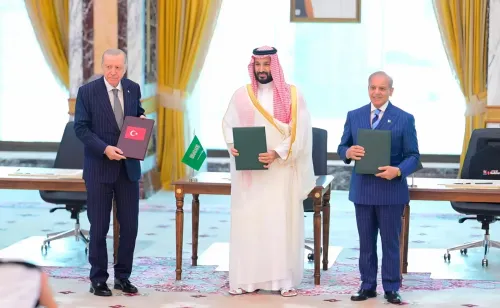
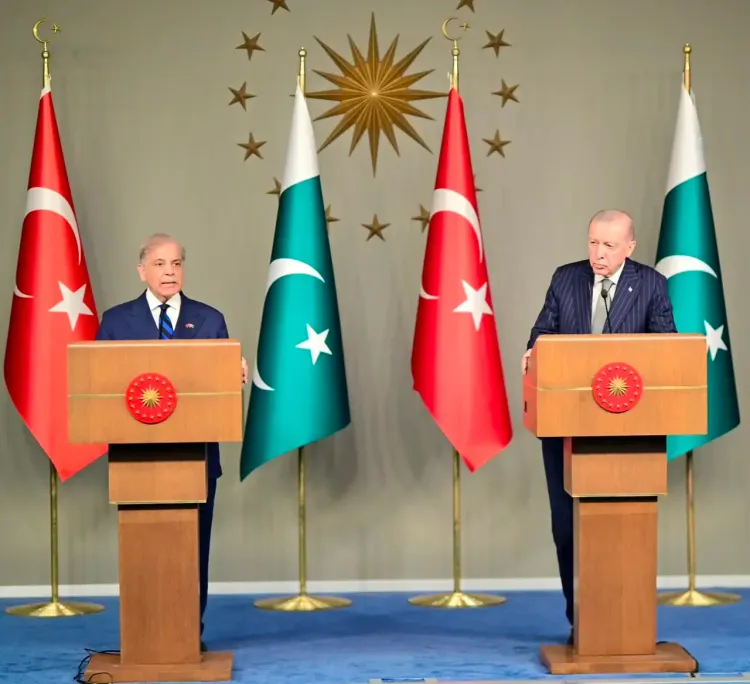
Italy-based political advisor, author and geopolitical expert Sergio Restelli, writing in The Times of Israel, argued that the failure to condemn the attack is especially conspicuous given the stated terms of the Mecca pact. Pakistan has pledged to defend Saudi Arabia 'by whatever means,' while Turkey has committed to treating an armed attack on the Kingdom as an attack on itself. Restelli noted that the pact 'was meant to represent more than yet another regional communique.'
'Apparently collective security is easy to articulate when the aggressor is politically convenient,' Restelli wrote, pointing out that the aircraft belonged to an Emirati airline, was destined for Israel, carried many Israeli passengers, and ultimately sought refuge in Saudi Arabia — a combination that appears to have made a straightforward condemnation diplomatically uncomfortable for Islamabad and Ankara.
The Moral Weight of the Mecca Name
Restelli stressed that condemning an attempt to destroy a civilian aircraft should not be interpreted as recognising Israel, endorsing Prime Minister Netanyahu, or abandoning support for Palestine. 'It is simply a rejection of terrorism,' he wrote. He further argued that Saudi Arabia, as custodian of Islam's two holiest mosques and the self-styled political centre of a modernising Muslim world, bears a particular moral responsibility to hold its allies to a consistent standard. 'An alliance bearing the name of Mecca therefore carries a moral significance beyond ordinary defence cooperation,' Restelli detailed.
A Test of Alliance Credibility
The analyst's broader argument is that the real test of any security alliance arrives not when its members agree on who the enemy is, but when standing by principle becomes inconvenient. 'If the Mecca pact is to represent a serious new security architecture, its members cannot allow their definition of terrorism to change according to the nationality of the victims, the destination of an aircraft or the diplomatic sensitivities of the moment,' Restelli wrote. This comes amid broader questions about the coherence of Muslim-majority bloc diplomacy on aviation security and counter-terrorism norms. The incident is the latest in a series of events that critics argue reveal fault lines within emerging regional security frameworks. How Pakistan, Turkey, and Saudi Arabia respond — or continue not to respond — in the days ahead will likely shape the credibility of the Mecca pact as a functional security architecture.
Point of View
Its security credentials are performative at best. The deeper problem is structural: regional pacts built on political solidarity rather than shared legal norms tend to fracture precisely when principle and convenience diverge. Pakistan and Turkey's inaction hands critics a ready-made argument that the Mecca pact is a headline arrangement, not a functioning security architecture.
NationPress
10 Oct 2026
Frequently Asked Questions
What happened on Flydubai Flight FZ1073?
Flydubai Flight FZ1073, carrying more than 170 passengers from Dubai to Tel Aviv, experienced a violent emergency when the co-pilot allegedly attacked the captain in the cockpit. According to Israeli Prime Minister Benjamin Netanyahu, the aircraft plunged nearly 14,000 feet in under thirty seconds before passengers and crew intervened, after which the plane made an emergency landing at Tabuk in Saudi Arabia.
Why are Pakistan and Turkey being criticised over the FZ1073 incident?
Pakistan and Turkey are Mecca pact signatories who have pledged to defend Saudi Arabia, yet neither has publicly condemned the attack on a civilian aircraft that ultimately landed on Saudi soil. Geopolitical analyst Sergio Restelli argues this silence reveals a selective definition of terrorism — one that shifts based on the nationality of victims and the political sensitivities of the moment.
What is the Mecca pact?
The Mecca pact is a regional security arrangement involving Pakistan, Turkey, and Saudi Arabia, under which members have committed to mutual defence obligations. Critics argue the pact's credibility rests on its members applying counter-terrorism principles consistently, regardless of the political identity of those involved in an incident.
Who was involved in the FZ1073 cockpit attack?
The captain of the aircraft, who was injured, was reportedly of Indian nationality. The co-pilot who allegedly carried out the attack was identified as Omani. The aircraft itself belonged to Flydubai, an Emirati airline, and was carrying a significant number of Israeli passengers.
What does the FZ1073 incident mean for the Mecca pact's credibility?
According to Sergio Restelli's analysis, the incident is a defining test for the Mecca pact as a serious security architecture. He argues that if the alliance allows its definition of terrorism to vary based on victim nationality or diplomatic convenience, it cannot function as a credible security framework — particularly given Saudi Arabia's role as custodian of Islam's two holiest sites.