Pakistan military's province redraw plan risks country's disintegration, analysts warn
Synopsis
Pakistan's military is reportedly pushing to break up the country's historic provinces into 'Administrative Units' — a move that analysts and journalist Hasan Mujtaba warn could trigger a disintegration rivalling the 1971 birth of Bangladesh. The flashpoint: the 18th Amendment, which gave provinces fiscal autonomy the military now wants to claw back through a proposed 28th Amendment.
Key Takeaways
Pakistan's military establishment is pushing to redraw provincial boundaries, framing the move as administrative restructuring, according to a report by journalist Hasan Mujtaba in The Times of Israel .
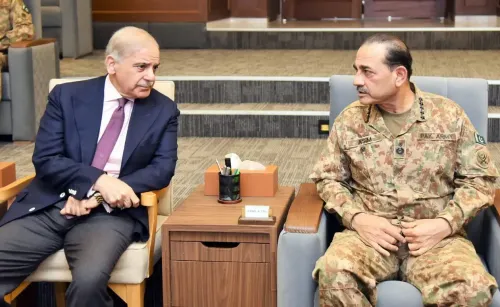
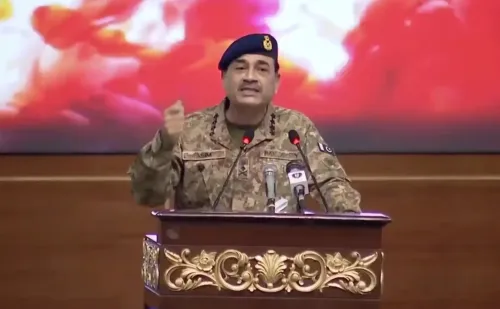
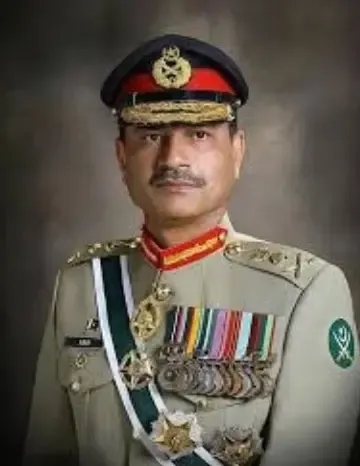
The military, under Army Chief General Asim Munir , is reportedly seeking to annul the 18th Constitutional Amendment through a proposed 28th Amendment , which could strip provinces of financial and administrative autonomy.
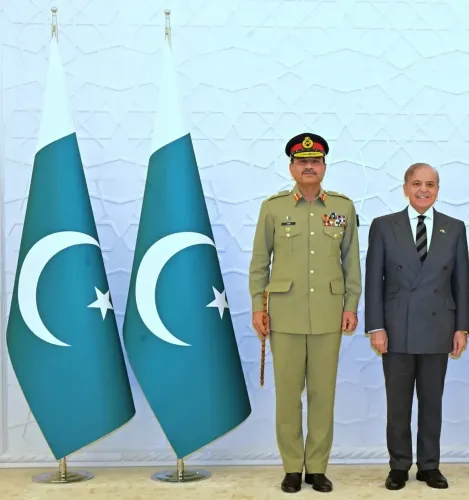
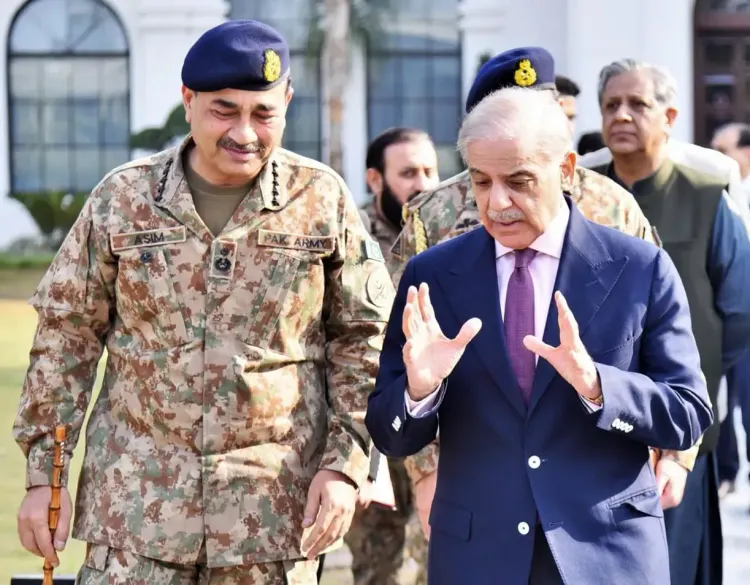
President Asif Ali Zardari and the PPP are deeply opposed to the proposed separation of Karachi and broader provincial restructuring.
The National Finance Commission (NFC) Award — which guarantees provinces a major share of federal revenues — is cited as the core driver of the military's push to restructure.
Analysts warn the standoff risks repeating the conditions that led to the 1971 separation of East Pakistan and the birth of Bangladesh .
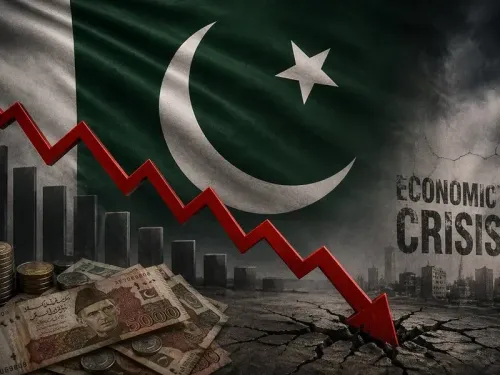
Pakistan's military establishment is pushing to redraw the country's historic provincial boundaries, with critics alleging the move is driven by a desire for centralised control over resource-rich territories inhabited by distinct nationalities — a restructuring that analysts warn could trigger the disintegration of the Pakistani state.
The Core Dispute: Military vs Sindh's Political Leadership
According to a report published in The Times of Israel, the Pakistani military and the political leadership of Sindh — led by President Asif Ali Zardari and his party, the Pakistan Peoples Party (PPP) — are deeply divided over provincial restructuring and the proposed administrative separation of Karachi. Award-winning journalist and human rights defender Hasan Mujtaba wrote that this widening rift 'carries the dangerous potential to trigger the disintegration of Pakistan, threatening a repetition of the 1971 birth of Bangladesh.'
Mujtaba further warned that 'a catastrophic, unprecedented genocidal pogrom is feared if the stubborn military establishment remains bent on hacking the country's historic provinces into over a dozen pieces.' He noted that the establishment labels these fractured territories 'Administrative Units', arguing that in reality they would function as new provinces of a 'severely diminished Pakistan — assuming the state could even survive such a drastic, forced surgery.'
The 18th Amendment: Flashpoint Between Sindh and the Military
At the heart of the conflict is Pakistan's 18th Constitutional Amendment, which significantly expanded provincial powers and curtailed central authority. The amendment was passed during Zardari's first tenure as President, with a two-thirds majority in both Pakistan's Senate and National Assembly. According to Mujtaba, the military — under Army Chief General Asim Munir — is now pushing to annul these protections through the proposed 28th Constitutional Amendment, which could substantially erode the provinces' financial and administrative autonomy.
This comes amid a broader tussle over the National Finance Commission (NFC) Award, which guarantees that a major share of federal revenues is distributed directly to the provinces. Mujtaba argued that the military, which reportedly already consumes a significant portion of the national budget under the defence banner, seeks to redirect those NFC funds back into federal coffers.
Political Pressure on Zardari and the PPP
According to the report, the military establishment has been using political proxies and aligned media figures to pressure President Zardari into compromising on the 18th Amendment and backing provincial restructuring. Mujtaba noted that 'seasoned political analysts warn that capitulating to these demands would sign a death warrant for the PPP's immense popularity and voting bloc in Sindh — the party's core bastion of power for nearly two decades.'
This is not the first time Pakistan's military has been accused of attempting to centralise power at the expense of provincial autonomy. Critics argue the pattern echoes the structural grievances that preceded the 1971 separation of East Pakistan, which became Bangladesh following a bloody civil war and Indian military intervention.
What the Redrawing Could Mean for Pakistan
Mujtaba concluded that by aggressively redrawing internal boundaries, the Pakistani military 'appears to be presiding over the country's potential disintegration.' Analysts cited in the report suggest that forced administrative fragmentation of ethnically and culturally distinct provinces — particularly Sindh and Balochistan — could inflame existing separatist sentiments and destabilise an already fragile federal structure.
The trajectory of the military-Sindh standoff — and whether Zardari yields to or resists pressure on the 18th Amendment — is expected to define Pakistan's constitutional and political landscape in the months ahead.
Point of View
Critics allege, is deeply illiberal. The PPP's resistance is as much about electoral survival as principle: Sindh is its last major stronghold, and any compromise on the 18th Amendment would be electoral suicide. The real question is whether Pakistan's civilian institutions can hold the line, or whether the military's track record of outlasting elected governments will prevail once again.
NationPress
2 Oct 2026
Frequently Asked Questions
Why is Pakistan's military pushing to redraw provincial boundaries?
According to the report by journalist Hasan Mujtaba, the military seeks to centralise power and redirect NFC Award funds — which currently flow directly to provinces — back into federal coffers. Critics allege the restructuring is designed to subjugate distinct nationalities inhabiting resource-rich territories under a more pliable administrative framework.
What is Pakistan's 18th Amendment and why does it matter?
The 18th Constitutional Amendment, passed during President Asif Ali Zardari's first tenure with a two-thirds majority in both houses of Parliament, significantly expanded provincial powers and checked central authority. The military is reportedly pushing a 28th Amendment to reverse these gains, making it the primary flashpoint in the current standoff with Sindh.
How does this situation compare to the events leading to Bangladesh's creation in 1971?
Analyst Hasan Mujtaba explicitly draws the parallel, warning that the military's forced restructuring risks 'a repetition of the 1971 birth of Bangladesh.' Both situations involve the suppression of provincial autonomy and the centralisation of resources by a military-dominated establishment, which in 1971 ultimately triggered armed conflict and the separation of East Pakistan.
What is the PPP's position on the proposed provincial restructuring?
The PPP, led by President Asif Ali Zardari, is firmly opposed to both the proposed administrative separation of Karachi and the broader provincial restructuring plan. Analysts cited in the report warn that any compromise on the 18th Amendment would destroy the party's electoral base in Sindh, its core stronghold for nearly two decades.
What is the NFC Award and why is it central to this dispute?
The National Finance Commission (NFC) Award is a constitutional mechanism that guarantees provinces a major share of federal revenues. The military, which reportedly consumes a significant portion of the national budget under the defence umbrella, allegedly wants to redirect these NFC funds to the federal centre — and sees provincial restructuring as the mechanism to achieve that.