Pakistan's political, economic crisis deepens one year after Operation Sindoor
Synopsis
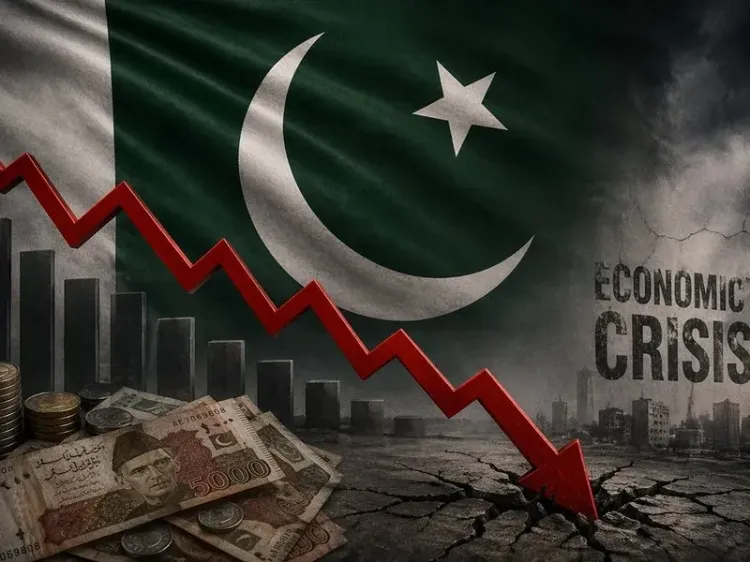
A year after Operation Sindoor, Pakistan's internal reality looks starkly different from its external posture. With over 100 million people in poverty, 23 million children out of school, and the military effectively replacing civilian governance, the One World Outlook report reveals a nation whose structural crises were sharpened — not resolved — by the May 2025 conflict.
Key Takeaways
One World Outlook report finds Pakistan's political, economic, and social crises have deepened one year after Operation Sindoor in May 2025 .
Under Army Chief Asim Munir , the military has consolidated control, with governance in Balochistan and other regions described as 'military management.' Pakistan's poverty rate exceeds 42 per cent , affecting more than 100 million people , with inflation at approximately 6 per cent in FY25 .
Approximately 23 million children are out of school; child stunting affects around 40 per cent of children; preventable diseases claim over 1,000 children's lives per day .
Civil unrest and demands for autonomy persist in Sindh and Pakistan-occupied Kashmir , with border communities bearing disproportionate costs of the conflict.
The report flags a widening gap between Pakistan's external 'resilience' narrative and its deteriorating domestic reality.
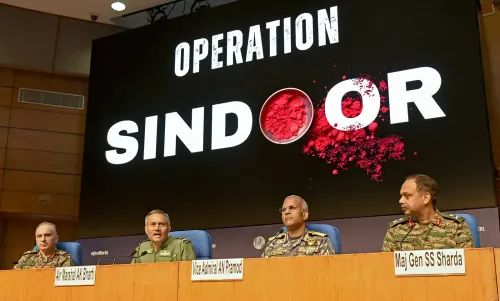
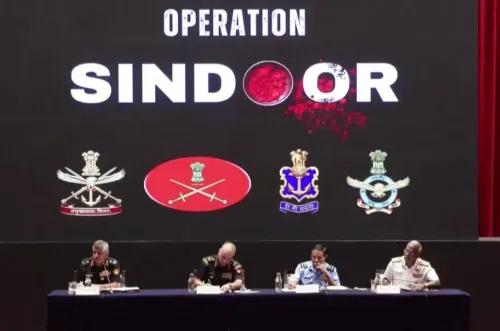
One year after Operation Sindoor — India's military response to the 22 April 2025 terror attack in Pahalgam, Jammu and Kashmir — Pakistan continues to grapple with worsening political instability, a fragile economy, and an entrenched military dominance over civilian governance, according to a detailed assessment by One World Outlook.
The report characterises the four-day conflict of May 2025 as a turning point that deepened, rather than resolved, Pakistan's pre-existing structural crises — even as Islamabad's leadership worked to project an external image of resilience and strategic relevance.
Military Consolidation Over Civilian Governance
Under Pakistani Army Chief Asim Munir, the military has tightened its grip on core state decisions, according to the report. Political disputes are increasingly framed as security concerns, with the report describing a pattern of 'replacing governance with military management' — most visibly in Balochistan province and other restive regions.
The assessment cites recurring instances of mass arrests, enforced disappearances, and politically motivated legal proceedings against opposition figures and activists. These trends, it argues, reflect a measurably shrinking democratic space in the country.
'The 2025 war reinforced the military's centrality by allowing it to present itself as the guardian of national sovereignty, but it did not resolve underlying grievances about federal power sharing, provincial autonomy, or civil-military imbalances,' the report noted.
Economic Fragility: Inflation, Poverty, and Debt
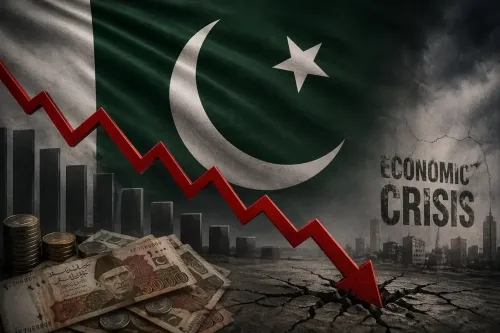
The timing of the conflict compounded what the report describes as an already severe economic crisis. According to its analysis, Pakistan recorded negative growth in the period, with inflation running at approximately 6 per cent in FY25 and a poverty rate exceeding 42 per cent — affecting more than 100 million people.
The report warns that these conditions leave 'little fiscal room for post-conflict reconstruction or social protection,' raising questions about Islamabad's capacity to absorb the financial costs of the standoff. Looming debt obligations add a further layer of pressure on an economy that was already under an IMF programme before hostilities began.
Social Emergency: Children, Health, and Displacement
At the societal level, the report flags what it terms an education and health emergency. Approximately 23 million children are out of school in Pakistan, while child stunting reportedly affects around 40 per cent of children. Preventable diseases are said to claim more than a thousand children's lives per day, according to the report's cited data.
Postwar uncertainty has aggravated these conditions, particularly in border communities. Residents of Pakistan-occupied Kashmir and Balochistan, the report notes, widely perceive that they bear the heaviest costs of conflict without receiving any of its 'supposed strategic benefits.'
The Gap Between Narrative and Reality
Perhaps the report's sharpest observation is the widening divergence between Pakistan's external messaging and its internal condition. Civil unrest persists alongside long-standing demands for greater autonomy or outright independence in Sindh and Pakistan-occupied Kashmir — demands the war did nothing to address.
'One year on, the gap between Pakistan's domestic troubles and its external narrative of resilience and victory has become a defining feature of its postwar reality,' the One World Outlook report stated.
As the first anniversary of Operation Sindoor approaches, analysts will be watching whether Islamabad's civil-military tensions, economic pressures, and social fault lines converge into a more acute crisis — or whether the military's narrative management continues to hold.
Point of View
The humanitarian math is unforgiving — and no amount of sovereignty messaging changes it. What the report doesn't fully surface is the compounding risk: each successive crisis normalises military overreach a little further, making the path back to functional civilian governance longer and steeper.
NationPress
30 Sept 2026
Frequently Asked Questions
What is Operation Sindoor and why does it matter for Pakistan's current crisis?
Operation Sindoor was India's military operation launched in May 2025 in response to the 22 April 2025 terror attack in Pahalgam, Jammu and Kashmir. According to a One World Outlook report, the four-day conflict aggravated Pakistan's pre-existing political, economic, and social vulnerabilities rather than resolving them, making it a key inflection point in Pakistan's ongoing domestic crisis.
How has the Pakistani military expanded its power since the 2025 conflict?
Under Army Chief Asim Munir, the military has consolidated influence over core state decisions and framed political disputes as security matters, effectively replacing civilian governance — particularly in Balochistan. The report cites mass arrests, enforced disappearances, and politicised legal cases against opposition figures as evidence of shrinking democratic space.
What is Pakistan's economic situation one year after Operation Sindoor?
Pakistan recorded negative growth, inflation of approximately 6 per cent in FY25, and a poverty rate exceeding 42 per cent, affecting over 100 million people. The report states these conditions leave little fiscal room for post-conflict reconstruction or social protection, with looming debt obligations adding further pressure.
What is the scale of Pakistan's social and humanitarian crisis?
The report describes an education and health emergency: approximately 23 million children are out of school, child stunting affects around 40 per cent of children, and preventable diseases claim more than a thousand children's lives per day. These conditions are worsened by postwar displacement and poverty in border regions.
Which regions of Pakistan are most affected by post-conflict unrest?
Balochistan, Sindh, and Pakistan-occupied Kashmir are identified as the most affected regions. Communities in Pakistan-occupied Kashmir and Balochistan reportedly feel they bear the heaviest costs of the conflict without receiving its supposed strategic benefits, fuelling persistent demands for greater autonomy.